How Many Tons Per Hour Can Petroleum Coke Grinding Mill Equipment Process?
Introduction to Petroleum Coke Grinding
Petroleum coke, commonly known as petcoke, is a carbonaceous solid derived from oil refinery cracking processes. As a valuable fuel source and raw material in various industries, petcoke requires efficient grinding to achieve the optimal particle size for different applications. The hourly processing capacity of petroleum coke grinding mills depends on multiple factors including the raw material characteristics, desired fineness, and the specific grinding technology employed. Understanding these variables is crucial for selecting the right equipment that balances production requirements with operational efficiency.
The hardness, moisture content, and initial particle size of petroleum coke significantly influence grinding performance. Typically, petcoke has a Mohs hardness ranging from 2 to 3, making it relatively easy to grind compared to many minerals. However, variations in volatile matter content and structural composition can affect grinding efficiency. Modern grinding technologies offer a wide range of throughput capacities, from small-scale operations processing a few hundred kilograms per hour to industrial systems handling over 100 tons hourly.

Factors Affecting Petroleum Coke Grinding Capacity
Raw Material Characteristics
The physical and chemical properties of petroleum coke directly impact grinding efficiency and throughput. Key factors include:
- Moisture Content: High moisture levels (typically above 5%) can reduce grinding efficiency by causing material agglomeration and clogging. Pre-drying systems may be necessary for optimal performance.
- Hardness and Abrasiveness: While generally softer than minerals, variations in petcoke hardness affect wear rates on grinding components and power consumption.
- Feed Size Distribution: Properly sized feed material (typically below 50mm) ensures consistent grinding chamber loading and prevents capacity limitations.
- Volatile Matter: Higher volatile content can affect grinding stability and may require specialized system configurations for safety.
Product Fineness Requirements
The target particle size distribution is perhaps the most significant factor determining throughput capacity. Finer grinding requires more energy and reduces hourly production rates. Common fineness requirements for petroleum coke applications include:
- Coarse Grinding (30-80 mesh): For fluidized bed combustion and cement kiln applications, with higher throughput capacities.
- Medium Fineness (80-200 mesh): For carbon anode production and metallurgical uses, balancing capacity and product quality.
- Fine and Ultra-fine Grinding (200-2500 mesh): For specialized applications requiring maximum surface area, with correspondingly lower throughput rates.
Grinding Technologies and Their Capacity Ranges
Vertical Roller Mills for High-Capacity Applications
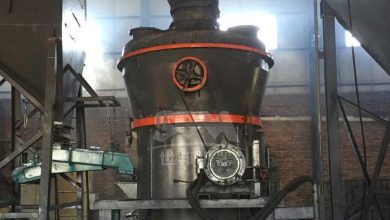
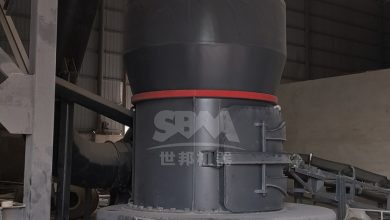
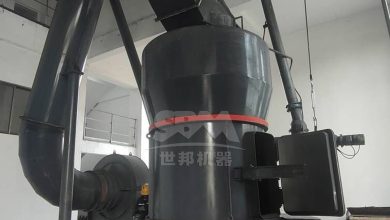
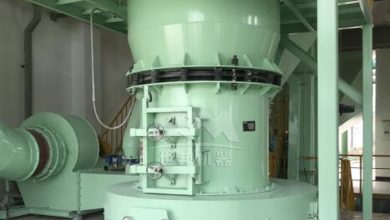
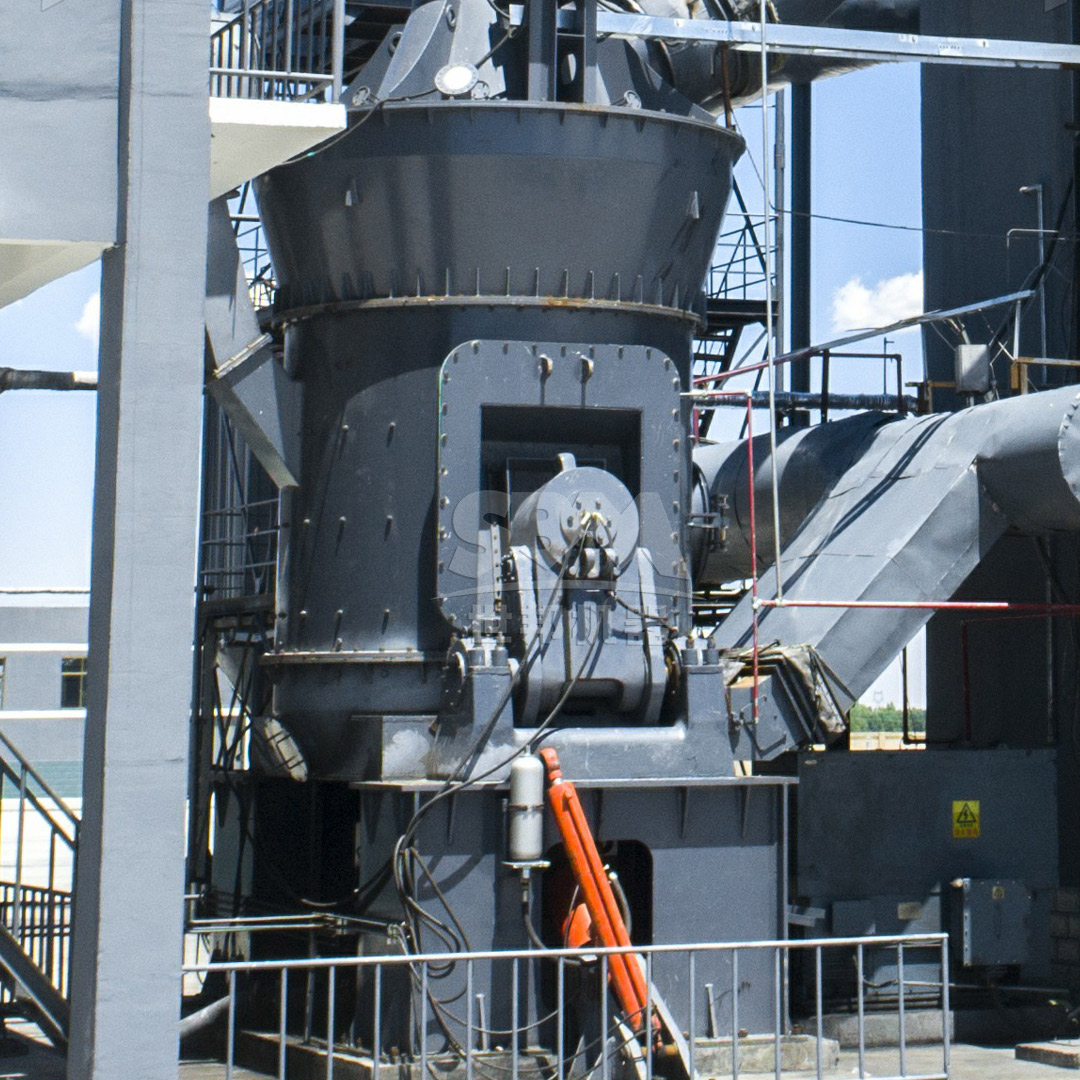
Vertical roller mills represent the pinnacle of high-capacity grinding technology for petroleum coke. These systems integrate multiple functions including grinding, drying, classification, and material conveyance in a single compact unit. The fundamental working principle involves bed comminution between grinding rollers and a rotating table, with integrated air classification ensuring precise particle size control.
For petroleum coke processing, vertical mills offer distinct advantages including high drying capacity (able to handle feed moisture up to 15-20%), excellent energy efficiency (30-50% less power consumption compared to ball mills), and large throughput capacities ranging from 3 to over 250 tons per hour depending on the model size. The largest industrial vertical mills can process petcoke at rates exceeding 100 tph while producing consistent product quality.
Ultrafine Grinding Mills for Specialty Applications
When ultra-fine petroleum coke powders are required (typically 325-2500 mesh), specialized ultrafine grinding systems deliver precision particle size control at moderate throughput rates. These mills employ advanced classification technology to achieve sharp particle size distributions with minimal coarse particle contamination.
Our SCM Ultrafine Mill series represents the cutting edge in ultrafine petroleum coke processing technology. With capacities ranging from 0.5 to 25 tons per hour and the ability to achieve fineness levels up to 2500 mesh (D97 ≤ 5μm), these mills combine high precision with remarkable energy efficiency. The vertical turbine classification system ensures accurate particle size cuts without coarse powder contamination, while the intelligent control system automatically maintains consistent product quality despite variations in feed material.
The SCM series incorporates several technological innovations specifically beneficial for petroleum coke grinding. The special material roller and grinding ring extend service life significantly compared to conventional designs, while the bearingless screw grinding chamber ensures stable operation with minimal maintenance requirements. With energy consumption 30% lower than jet mills and double the production capacity at equivalent power input, these mills represent an optimal solution for high-value petroleum coke applications requiring precise particle size control.
Recommended Equipment for Petroleum Coke Grinding
SCM Ultrafine Mill Series (0.5-25 TPH)
For applications requiring fine to ultra-fine petroleum coke powders, our SCM Ultrafine Mill series offers unparalleled performance across a capacity range of 0.5 to 25 tons per hour. The technological advantages of this system include:
- High-Efficiency Classification: Vertical turbine classifier ensures precise particle size cuts from 325 to 2500 mesh (45-5μm)
- Energy Saving Operation: 30% lower energy consumption compared to conventional jet mills with double the production capacity
- Intelligent Control System: Automatic feedback control maintains consistent product fineness despite feed variations
- Durable Construction: Special material grinding components withstand abrasive petroleum coke with extended service life
- Environmental Compliance: Pulse dust collection exceeding international standards with noise levels below 75dB
The SCM series includes multiple models to match specific production requirements. The SCM800 model processes 0.5-4.5 tph with a 75kW main motor, while the flagship SCM1680 handles 5.0-25 tph with a 315kW power unit. All models accept feed material up to 20mm and produce consistent product quality across the entire fineness range.
MTW Series Trapezium Mill (3-45 TPH)
For medium to high capacity petroleum coke grinding applications where ultra-fine powders are not required, our MTW Series Trapezium Mill delivers outstanding performance with capacities from 3 to 45 tons per hour. This advanced grinding system incorporates multiple proprietary technologies that optimize petroleum coke processing:
- Anti-Wear Shovel Design: Combined shovel blades reduce maintenance costs while curved design extends roller service life
- Optimized Air Channel: Curved air duct design minimizes energy loss with 20% improved transmission efficiency
- Integrated Bevel Gear Transmission: 98% transmission efficiency with compact design reducing installation costs
- Wear-Resistant Volute Structure: Non-blocking design improves air classification efficiency while reducing maintenance costs by 30%
The MTW series offers flexible configuration options to match specific petroleum coke characteristics and production requirements. The MTW110 model processes 3-9 tph, while the high-capacity MTW215G handles 15-45 tph with a 280kW main motor. All models produce petroleum coke powders in the 30-325 mesh range (600-45μm) from feed material up to 50mm in size.

Optimizing Throughput in Petroleum Coke Grinding Operations
System Configuration for Maximum Efficiency
Achieving the rated capacity of petroleum coke grinding equipment requires proper system design and integration. Key considerations include:
- Feed System Optimization: Consistent, controlled feeding prevents mill overload or starvation, maintaining optimal grinding conditions
- Drying Capacity Matching: Integrated or separate drying systems must handle the moisture content in feed material without becoming a bottleneck
- Classification Efficiency: Properly sized and configured classifiers ensure product quality without unnecessary recirculation of fine material
- Material Handling Integration: Conveying, storage, and packaging systems must match grinding capacity to avoid production interruptions
Operational Best Practices
Beyond equipment selection, operational practices significantly influence achievable throughput:
- Grinding Parameter Optimization: Adjusting roller pressure, classifier speed, and air volume to match specific petroleum coke characteristics
- Preventive Maintenance Scheduling: Regular inspection and replacement of wear parts before they affect grinding efficiency
- Process Monitoring and Control: Real-time tracking of power consumption, temperature, and pressure indicators to identify performance degradation
- Feed Quality Consistency: Minimizing variations in petroleum coke properties through proper raw material management and blending
Conclusion
The hourly processing capacity of petroleum coke grinding equipment spans a wide range from less than one ton to over one hundred tons, depending on the technology selected and operational parameters. Understanding the relationship between product fineness, raw material characteristics, and equipment capabilities is essential for selecting the optimal grinding solution. Our SCM Ultrafine Mill and MTW Series Trapezium Mill represent two distinct technological approaches, each offering specific advantages for different petroleum coke processing requirements. With proper system design, configuration, and operation, modern grinding equipment can deliver consistent, cost-effective petroleum coke powders across the complete spectrum of industrial applications.