Application of Small Sand-Lime Brick Grinding Equipment in Concrete Projects with Recycled Brick Powder
Introduction
The construction industry faces increasing pressure to adopt sustainable practices, particularly in waste management and resource utilization. One promising approach involves recycling demolished brick materials into valuable powder for concrete applications. This article explores the technical aspects of grinding small sand-lime bricks into fine powder and its subsequent application in concrete projects, with specific focus on appropriate grinding equipment selection.
Recycled brick powder (RBP) offers significant potential as a supplementary cementitious material (SCM) or fine aggregate replacement in concrete mixtures. However, achieving the required particle size distribution and quality demands specialized grinding equipment capable of processing brittle ceramic materials efficiently.

Characteristics of Sand-Lime Brick Waste
Sand-lime bricks, composed primarily of quartz sand and lime, exhibit distinct physical and chemical properties that influence their grinding behavior and subsequent performance in concrete. Understanding these characteristics is essential for selecting appropriate processing equipment and optimizing concrete mix designs.
Physical Properties
Sand-lime brick waste typically demonstrates moderate to high compressive strength (10-30 MPa), low porosity, and homogeneous microstructure. The material’s brittleness facilitates grinding but requires careful control to prevent over-grinding and excessive energy consumption. Particle shape and surface texture of the ground powder significantly affect workability and strength development in concrete applications.
Chemical Composition
The primary components include silicon dioxide (SiO₂: 60-80%), calcium oxide (CaO: 15-25%), and minor amounts of aluminum, iron, and magnesium oxides. This composition provides potential pozzolanic activity when finely ground, particularly when amorphous silica content is sufficient to react with calcium hydroxide during cement hydration.
Grinding Equipment Selection Criteria
Selecting appropriate grinding equipment for sand-lime brick processing requires careful consideration of multiple factors, including feed characteristics, required product fineness, production capacity, and economic viability.
Key Selection Parameters
When processing demolished sand-lime bricks, equipment must handle variable input sizes (typically 5-50mm after primary crushing), achieve target fineness (typically 200-1000 Blaine specific surface area), and maintain consistent product quality. Energy efficiency becomes particularly important given the relatively low value of the end product.
Other critical factors include wear resistance of grinding elements, dust collection efficiency, noise emissions, and maintenance requirements. The abrasive nature of quartz sand components necessitates robust construction and easily replaceable wear parts.
Recommended Grinding Solutions
Based on the specific requirements for processing sand-lime brick waste, two equipment series stand out as particularly suitable for this application.
SCM Series Ultrafine Mill for High-Value Applications
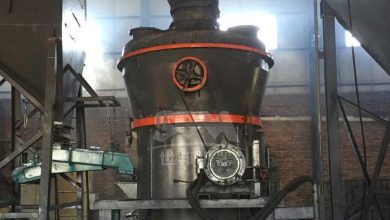
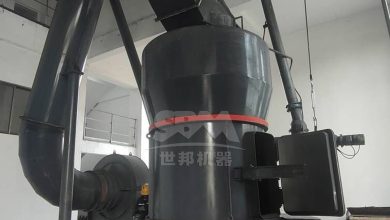
For projects requiring ultra-fine brick powder (325-2500 mesh) for high-performance concrete applications, the SCM Series Ultrafine Mill offers exceptional capabilities. This equipment achieves remarkable fineness (D97 ≤ 5μm) while maintaining energy efficiency, with consumption rates 30% lower than conventional air-jet mills.
The SCM mill’s vertical turbine classification system ensures precise particle size control, eliminating coarse particle contamination in the final product. This is particularly important for pozzolanic applications where specific surface area directly influences reactivity. The mill’s special material roller and grinding ring construction provides extended service life when processing abrasive sand-lime materials.
With models ranging from the SCM800 (0.5-4.5 ton/h) to the SCM1680 (5.0-25 ton/h), operations can select appropriate capacity matching their production requirements. The integrated pulse dust collection system exceeds international environmental standards, while noise levels remain below 75dB – important considerations for urban recycling facilities.
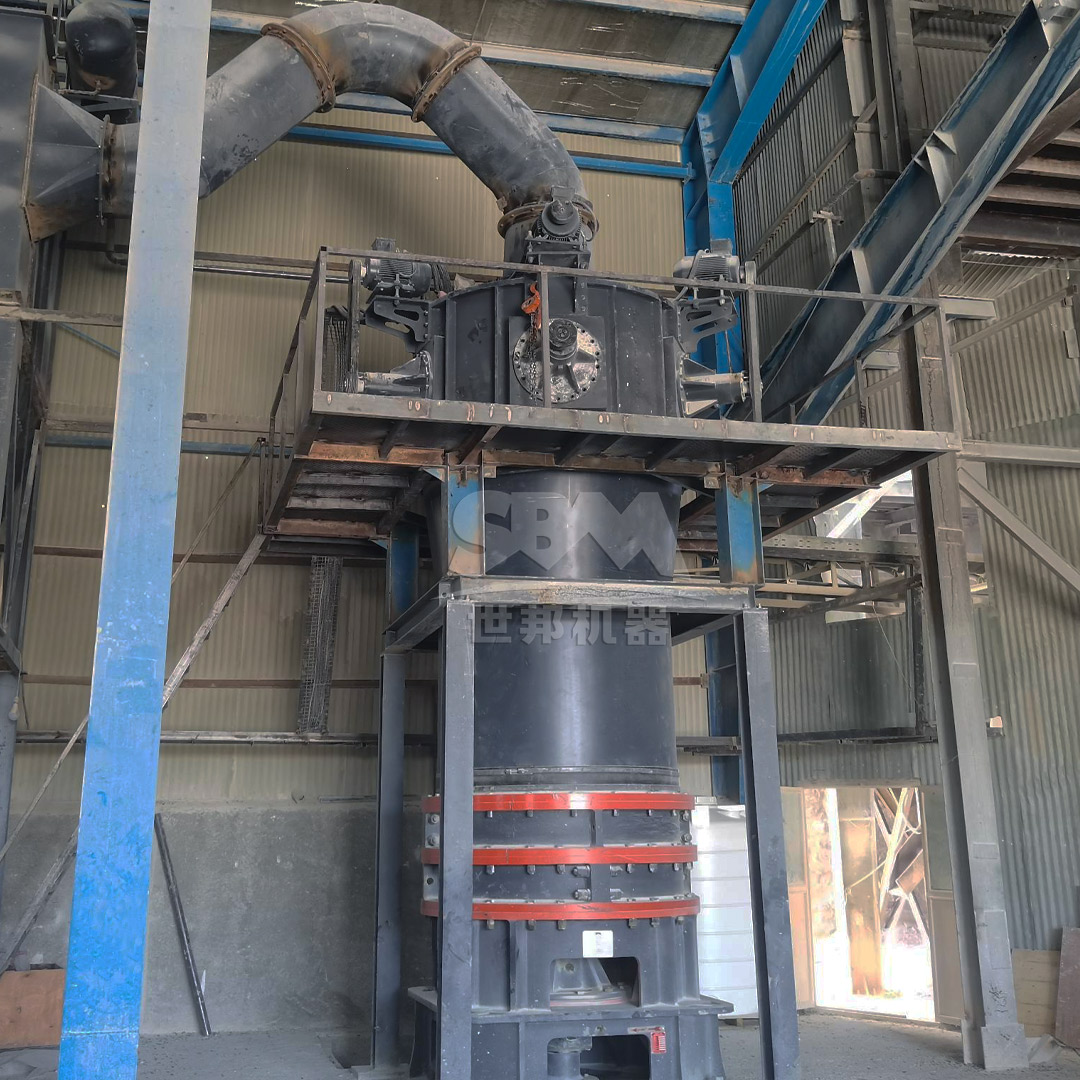
MTW Series Trapezium Mill for General Applications
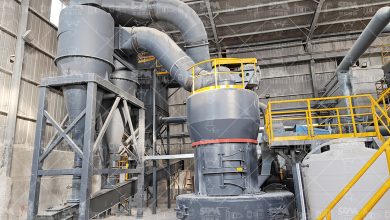
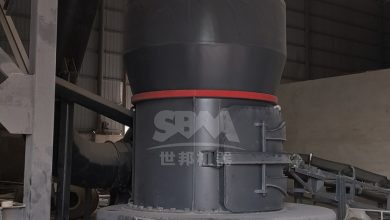
For most concrete applications where brick powder serves as fine filler or moderate SCM replacement, the MTW Series Trapezium Mill provides an optimal balance of performance and economy. This equipment processes larger feed sizes (≤50mm) and produces powder in the 30-325 mesh range, suitable for most concrete applications.
The MTW series features several technological advantages particularly relevant to brick processing. Its anti-abrasion shovel design reduces maintenance costs when handling abrasive sand components, while the curved air channel minimizes energy losses during material transport. The integrated cone gear transmission achieves 98% efficiency, significantly reducing power consumption.
Available in multiple configurations including the MTW110 (3-9 ton/h) through MTW215G (15-45 ton/h), this series accommodates various production scales. The patented internal oil lubrication system and advanced pulse dust collection technology ensure reliable operation in demanding recycling environments.
Concrete Performance with Recycled Brick Powder
Incorporating properly ground sand-lime brick powder into concrete mixtures requires understanding its effects on fresh and hardened properties.
Fresh Concrete Properties
Ground brick powder typically increases water demand due to its irregular particle shape and high specific surface area. However, with optimal grading and appropriate superplasticizer use, workability can be maintained at replacement levels up to 20% of cement content. The powder’s particle size distribution significantly influences rheological behavior, with finer grades generally improving cohesion while reducing segregation.
Hardened Concrete Properties
When used as cement replacement, properly ground brick powder demonstrates moderate pozzolanic activity, contributing to long-term strength development. As fine aggregate replacement, it can improve particle packing density and reduce permeability. Durability aspects including sulfate resistance, carbonation rate, and chloride penetration generally show acceptable performance at moderate replacement levels.
Processing Methodology
Effective processing of sand-lime brick waste involves multiple stages, each requiring specific equipment configurations and operational parameters.
Pre-Processing Requirements
Before fine grinding, demolished bricks require sorting to remove contaminants, primary crushing to reduce particle size, and potentially drying if moisture content exceeds optimal grinding levels. Magnetic separation removes ferrous materials, while screening ensures consistent feed size to grinding equipment.
Grinding Optimization
Optimal grinding parameters vary with brick composition and target application. For SCM applications, finer grinding (typically >400 m²/kg Blaine) enhances pozzolanic reactivity but increases energy consumption. For filler applications, coarser grinding may suffice while significantly reducing processing costs. Closed-circuit grinding systems with efficient classifiers improve overall efficiency by preventing over-grinding.

Economic and Environmental Considerations
The viability of brick recycling operations depends on multiple economic and environmental factors that influence equipment selection and processing methodology.
Economic Analysis
Equipment selection must balance initial investment against operational costs, including energy consumption, wear part replacement, and maintenance requirements. The SCM Series Ultrafine Mill, while having higher initial cost, offers lower operating costs per ton for high-value applications requiring ultra-fine powder. The MTW Series provides more economical operation for standard concrete applications.
Overall project economics also depend on transportation costs for raw materials, market value of the final product, and potential savings from landfill diversion. In regions with high disposal costs or green building incentives, brick recycling becomes increasingly economically attractive.
Environmental Benefits
Utilizing ground brick powder in concrete reduces demand for virgin materials, decreases energy consumption associated with cement production, and diverts construction waste from landfills. Life cycle assessment studies typically show significant reductions in carbon footprint when incorporating properly processed brick powder at 15-25% cement replacement levels.
Case Study: Large-Scale Application
A recent infrastructure project in Europe demonstrated the practical implementation of these technologies. The project utilized an MTW175G trapezium mill to process approximately 12,000 tons of demolished sand-lime bricks into powder for use in structural concrete.
The ground powder replaced 18% of cement content in C30/37 concrete used for foundation works. Comprehensive testing confirmed compliance with all structural requirements while reducing the project’s carbon footprint by approximately 12% compared to conventional mix designs. The grinding operation itself achieved 98% availability with energy consumption of 32 kWh/ton of finished powder.
Future Perspectives
As sustainability requirements intensify and processing technologies advance, utilization of recycled brick powder in concrete will likely expand. Equipment manufacturers continue developing more efficient grinding systems specifically optimized for construction waste materials.
Emerging trends include hybrid grinding systems combining multiple technologies, advanced classification systems for precise particle size control, and integrated processing lines that handle variable input materials. These developments will further improve the economic and technical viability of brick recycling operations.
Conclusion
Properly ground sand-lime brick powder represents a valuable resource for sustainable concrete production. Selecting appropriate grinding equipment is crucial for achieving the required product quality while maintaining economic viability. The SCM Series Ultrafine Mill and MTW Series Trapezium Mill offer complementary solutions for different application requirements, from high-performance concrete demanding ultra-fine powder to standard applications where economy balanced with performance is paramount.
As processing technologies advance and market acceptance grows, recycled brick powder will play an increasingly important role in circular economy approaches within the construction industry. Equipment selection should consider not only immediate technical requirements but also flexibility to adapt to evolving market demands and regulatory frameworks.