What Equipment Can Quickly Grind Ore Powder to 80 Mesh?
Introduction to 80 Mesh Ore Grinding Requirements
In mineral processing and powder production industries, achieving consistent particle size distribution is crucial for product quality and downstream processing efficiency. The 80 mesh specification (approximately 177 microns) represents a common requirement for many industrial applications, including metallurgy, construction materials, and chemical processing. Selecting the right grinding equipment for this specific fineness level requires careful consideration of multiple factors, including feed size, capacity requirements, energy efficiency, and operational costs.
Different grinding technologies offer varying advantages when targeting the 80 mesh range. While some equipment excels at coarse crushing with limited fine grinding capabilities, others are specifically designed for precise particle size control in the medium-fine range. Understanding the technical characteristics of each grinding solution is essential for optimizing production efficiency and product quality.
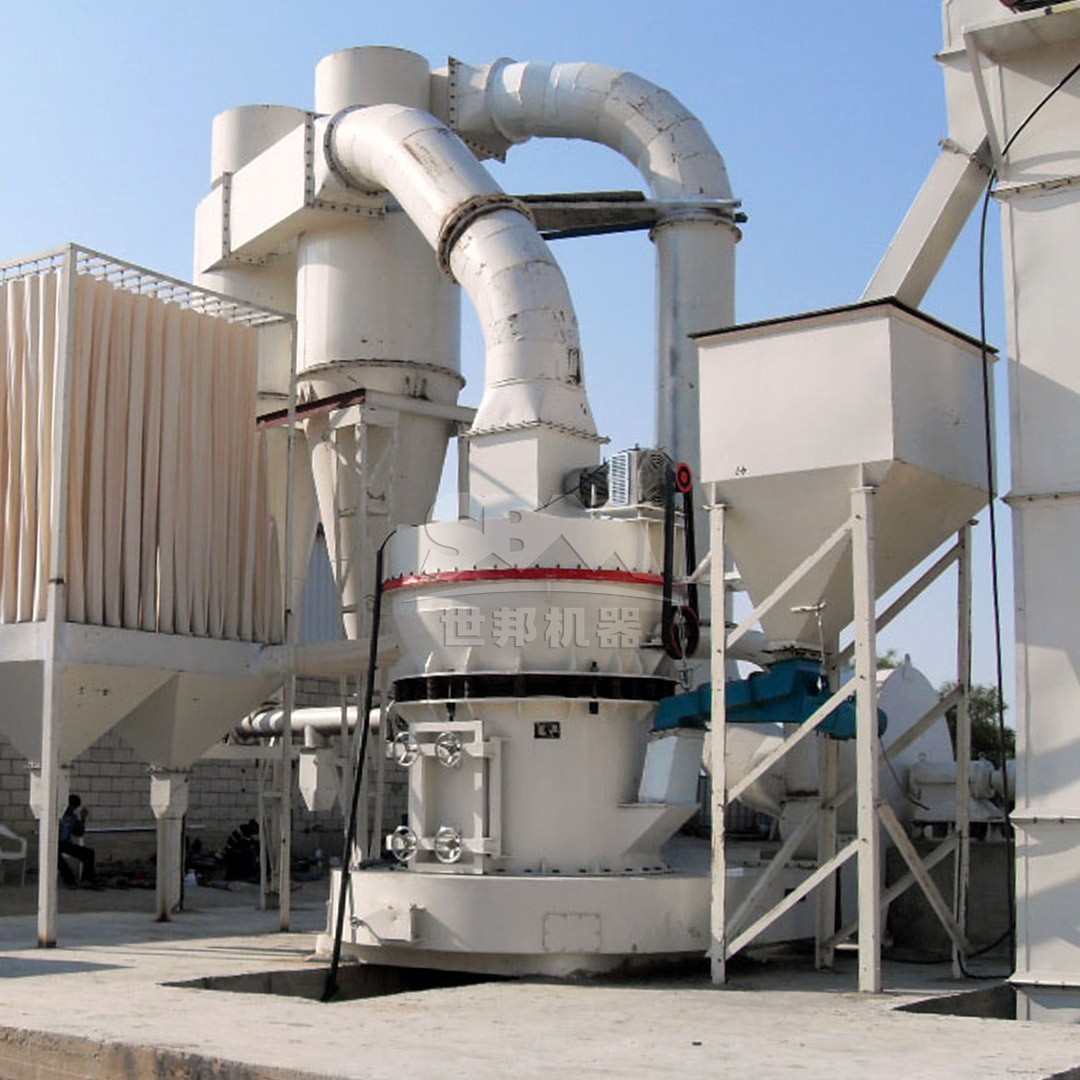
Key Equipment Options for 80 Mesh Ore Grinding
Ball Mills: Traditional Workhorse with Limitations
Ball mills have been the conventional choice for ore grinding operations for decades. These rotating cylinders containing grinding media (typically steel balls) utilize impact and attrition forces to reduce particle size. While ball mills can theoretically achieve 80 mesh fineness, they face significant limitations in this specific application.
The primary challenge with ball mills when targeting 80 mesh is their relatively low energy efficiency in the medium-fine grinding range. As the target particle size decreases, the energy required per ton of product increases exponentially. Additionally, ball mills typically produce a broad particle size distribution, which may include both oversize and undersize particles when targeting 80 mesh specifically. This can necessitate additional classification steps, increasing both capital and operational costs.
Modern ball mill designs have incorporated improvements such as high-efficiency classifiers and advanced liner designs, but their fundamental limitations in medium-fine grinding applications remain. For operations specifically targeting 80 mesh with high efficiency, more specialized equipment often provides better solutions.
Vertical Roller Mills: Balanced Performance for Medium-Fine Grinding
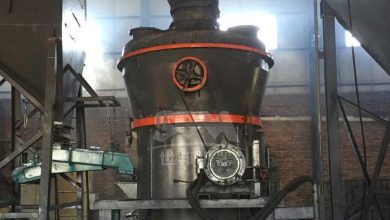
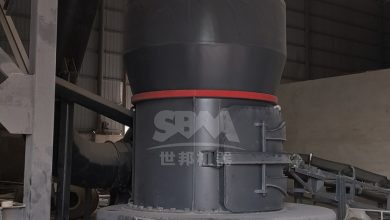
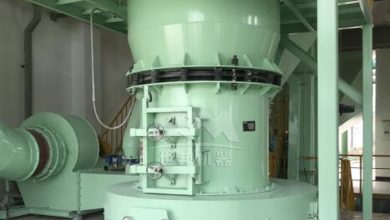
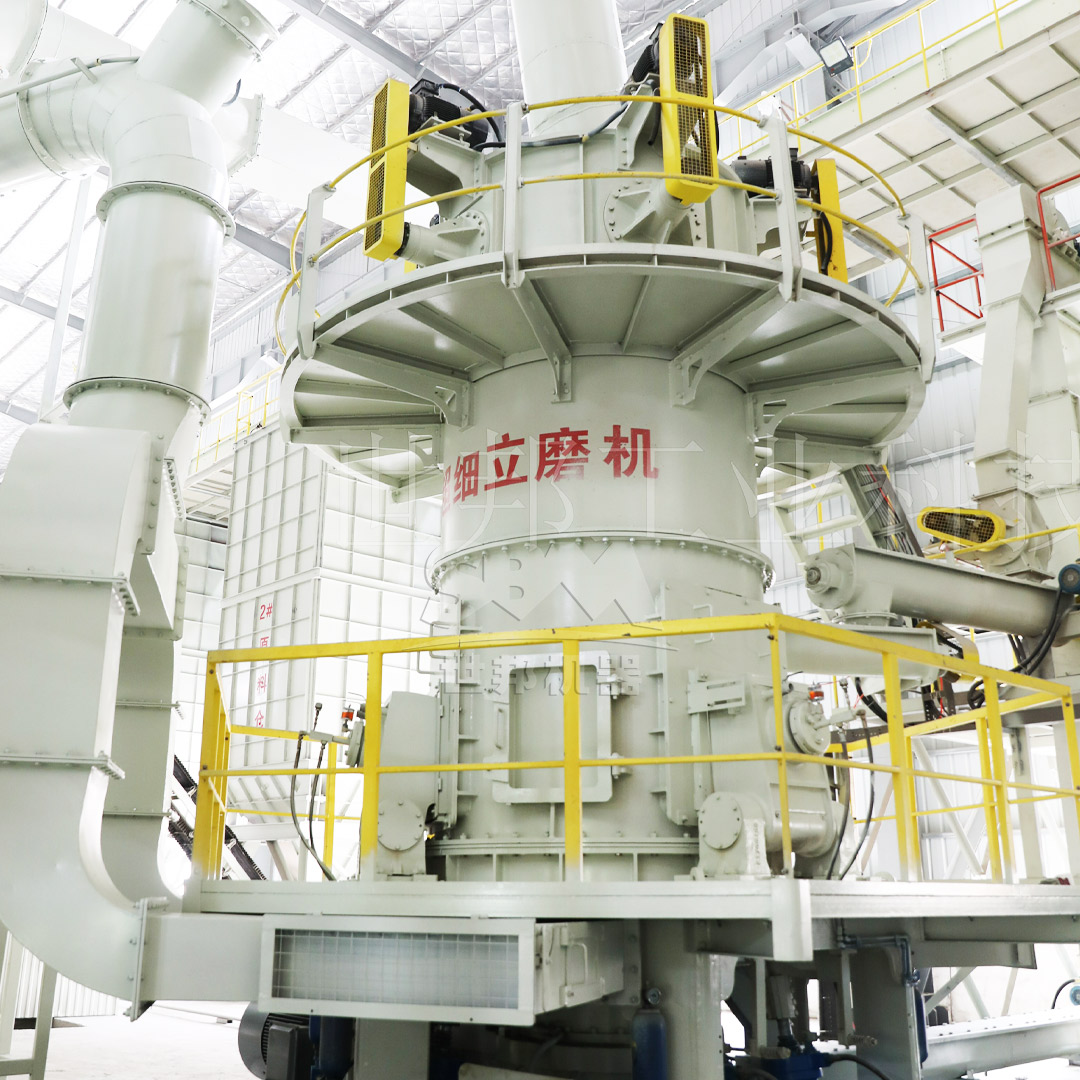
Vertical roller mills (VRMs) represent a significant advancement in grinding technology, particularly well-suited for the 80 mesh range. These systems utilize multiple grinding rollers that compress and shear material against a rotating grinding table. The ground material is then transported by airflow to a dynamic classifier that separates particles based on size.
For 80 mesh applications, our LM Series Vertical Roller Mill offers exceptional performance with output fineness ranging from 30-325 mesh, perfectly encompassing the 80 mesh target. The integrated classification system allows precise control over product fineness, ensuring consistent 80 mesh output without excessive fines generation. With capacities ranging from 3-250 tons per hour depending on model size, these mills can accommodate operations of virtually any scale.
The LM Series features several technological advantages specifically beneficial for 80 mesh production. The集约化设计 (intensive design) integrates multiple functions including crushing, grinding, and separation in a single unit, reducing footprint requirements by up to 50%. Additionally, the low operating costs—with energy consumption 30-40% lower than ball mill systems—make these mills economically attractive for continuous operations targeting medium-fine products like 80 mesh ore powder.
Trapezium Mills: Specialized Solution for Precise Fineness Control
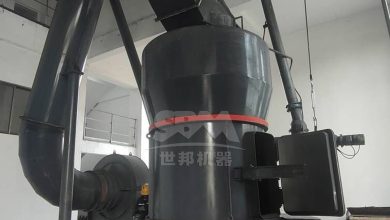
European-style trapezium mills represent another excellent option for 80 mesh ore grinding, offering particularly strong performance in the 30-325 mesh range. These mills employ a unique grinding mechanism where multiple grinding rollers rotate in a fixed path while pressing against a grinding ring, creating a combination of crushing, grinding, and shearing actions.
Our MTW Series Trapezium Mill is specifically engineered for applications requiring precise control in the medium-fine range, making it ideal for 80 mesh production. The patented curved air channel design minimizes energy loss during material transport, while the integral transmission system achieves remarkable 98% transmission efficiency. These features contribute to significantly lower energy consumption compared to traditional grinding systems when producing 80 mesh powder.
The MTW Series offers capacities from 3-45 tons per hour across different models, with the MTW215G model representing the high-capacity option for large-scale 80 mesh production. The anti-abrasion design features, including combined shovel blades and specially curved grinding rollers, extend component life and reduce maintenance requirements—critical factors for operations targeting consistent 80 mesh quality over extended periods.
Technical Comparison for 80 Mesh Applications
When evaluating equipment specifically for 80 mesh ore powder production, several technical factors deserve particular attention:
Energy Efficiency Considerations
Grinding operations typically account for a significant portion of total energy consumption in mineral processing plants. For 80 mesh applications, energy efficiency differences between equipment types become particularly pronounced. Vertical roller mills and trapezium mills generally demonstrate 30-50% lower energy consumption compared to ball mills when producing material in the 80 mesh range. This efficiency advantage stems from their specialized grinding mechanisms and integrated classification systems that minimize overgrinding.
Particle Size Distribution Control
Applications requiring precisely controlled 80 mesh product often benefit from equipment with advanced classification capabilities. Both the LM Series Vertical Roller Mills and MTW Series Trapezium Mills incorporate sophisticated air classifiers that enable tight control over particle size distribution. This results in a higher percentage of product in the target 80 mesh range with minimal oversize or undersize material—a significant quality advantage for many industrial applications.
Operational Flexibility and Control
Modern grinding systems offer varying degrees of operational flexibility, which can be particularly important when feed material characteristics vary or when different products are required. The intelligent control systems available on our LM Series mills provide expert-level automatic operation with remote monitoring capabilities, allowing operators to maintain consistent 80 mesh quality even with fluctuating feed conditions. The quick-adjustment classification systems enable rapid fineness changes when required, adding valuable production flexibility.
Recommended Solutions for 80 Mesh Ore Grinding
Based on technical performance, operational efficiency, and economic factors, we recommend two primary solutions for operations targeting 80 mesh ore powder:
MTW Series Trapezium Mill for Most Applications
For the majority of 80 mesh grinding applications, the MTW Series Trapezium Mill represents the optimal balance of performance, efficiency, and cost-effectiveness. Specifically designed for the 30-325 mesh range, this equipment delivers precisely controlled 80 mesh product with excellent energy efficiency. The robust construction and wear-resistant components ensure reliable operation with minimal maintenance requirements.
The MTW Series particularly excels in applications requiring consistent 80 mesh quality from various ore types, with its innovative grinding curve and forced lubrication system maintaining performance even with abrasive materials. Capacities ranging from 3-45 tons per hour accommodate most production requirements, while the comprehensive dust collection system ensures environmental compliance.
LM Series Vertical Roller Mill for High-Capacity Requirements
For large-scale operations requiring high-volume 80 mesh production, the LM Series Vertical Roller Mill offers unparalleled capacity in a single unit. With models capable of processing up to 250 tons per hour, these systems provide economic advantages for operations where scale justifies the initial investment. The integrated design combining multiple processing stages reduces overall plant footprint and simplifies material handling.
The LM Series demonstrates particular strengths when processing moderately abrasive ores to 80 mesh specification, with its unique grinding mechanism reducing specific wear rates compared to alternative technologies. The ability to operate in negative pressure mode ensures dust-free operation, addressing both environmental and workplace safety concerns.
Implementation Considerations for 80 Mesh Grinding Systems
Successfully implementing an 80 mesh grinding operation requires attention to several practical considerations beyond equipment selection:
Feed Preparation and Pre-Crushing
Optimal performance when grinding to 80 mesh typically requires appropriate feed preparation. Most efficient operation is achieved with feed material reduced to 20-35mm prior to introduction to the grinding mill. For the LM and MTW series mills, integrated feed systems can be provided to ensure consistent feed rate and size distribution, contributing to stable 80 mesh output quality.
System Integration and Automation
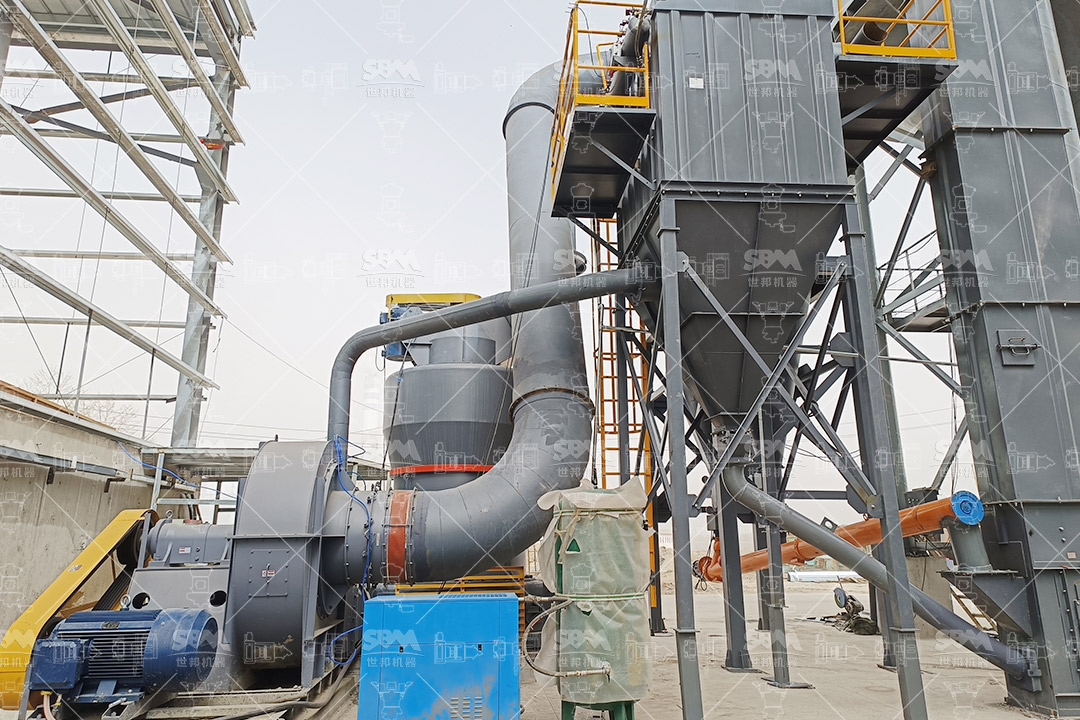
Modern grinding systems benefit significantly from proper integration with auxiliary equipment and appropriate automation levels. Both recommended mill series can be supplied with complete systems including feeding, grinding, classification, and product collection components. The automated control systems not only maintain consistent 80 mesh quality but also optimize energy consumption and track component wear for predictive maintenance.
Long-Term Operational Considerations
When selecting equipment for 80 mesh production, considering long-term operational factors is essential. Both the MTW and LM series feature designs focused on reduced maintenance requirements and extended component life. The availability of quick-wear part replacement systems and comprehensive technical support ensures minimal downtime and consistent product quality throughout the equipment lifecycle.
Conclusion
Selecting the appropriate equipment for grinding ore powder to 80 mesh requires careful evaluation of technical capabilities, operational efficiency, and economic factors. While multiple technologies can achieve this specification, vertical roller mills and trapezium mills offer distinct advantages in this specific application range. Our recommended solutions—the MTW Series Trapezium Mill for most applications and the LM Series Vertical Roller Mill for high-capacity requirements—provide optimized performance for 80 mesh production with superior energy efficiency and product quality control.
The advanced design features of these mills, including precision classification systems, wear-resistant components, and intelligent control capabilities, ensure reliable production of consistent 80 mesh ore powder while minimizing operational costs. By selecting equipment specifically engineered for the medium-fine grinding range, operations can achieve both technical and economic optimization in their 80 mesh powder production processes.