Superfine Calcite Powder Grinding Mill for 1250 Mesh and Finer Applications
Introduction to Superfine Calcite Grinding
The demand for superfine calcite powder in the 1250 mesh and finer range has grown significantly across various industries, including plastics, paints, coatings, rubber, and advanced materials. Achieving such fine particle sizes requires specialized grinding technology that can maintain consistent quality, high throughput, and energy efficiency. This article explores the technical requirements and solutions for producing superfine calcite powder, with a focus on advanced grinding mill technologies.
The Challenge of Ultra-Fine Grinding
Producing calcite powder at 1250 mesh (approximately 10μm) and finer presents several technical challenges. Conventional grinding mills often struggle with energy efficiency, particle size distribution control, and heat generation at these fine sizes. The grinding process must overcome material hardening, agglomeration, and equipment wear while maintaining precise particle size control.
Technical Requirements for 1250 Mesh Calcite Production
Particle Size Distribution Control
For applications requiring 1250 mesh and finer calcite powder, tight particle size distribution is critical. The D97 parameter (97% of particles below specified size) must be consistently maintained at ≤5μm. This requires advanced classification systems capable of precise particle separation and minimal coarse particle contamination.
Energy Efficiency Considerations
Traditional grinding methods become increasingly energy-intensive as target particle sizes decrease below 10μm. Modern superfine grinding mills must address this challenge through optimized grinding mechanics, reduced friction, and intelligent control systems that minimize energy consumption per ton of product.
Advanced Grinding Technologies for Superfine Calcite
Vertical Roller Mill Technology
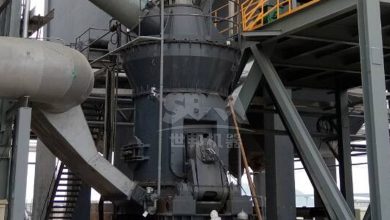
Vertical roller mills have evolved significantly to meet the demands of superfine grinding. The latest generation incorporates multiple grinding rollers, precision classification systems, and advanced material handling to achieve consistent 1250 mesh output. The vertical configuration allows for efficient material transport and reduced energy consumption compared to horizontal ball mills.
Ultrafine Mill Systems
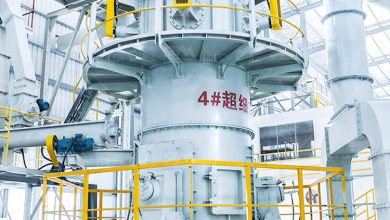
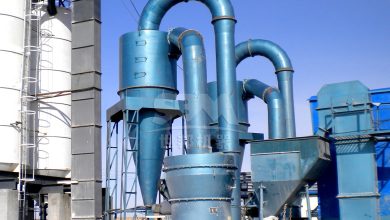
Specialized ultrafine mill systems designed specifically for the 1250-2500 mesh range incorporate several key technological advancements. These include high-precision turbo classifiers, optimized grinding curve designs, and integrated collection systems that maintain product quality throughout the process.

Recommended Solution: SCM Ultrafine Mill
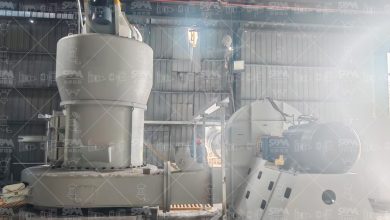
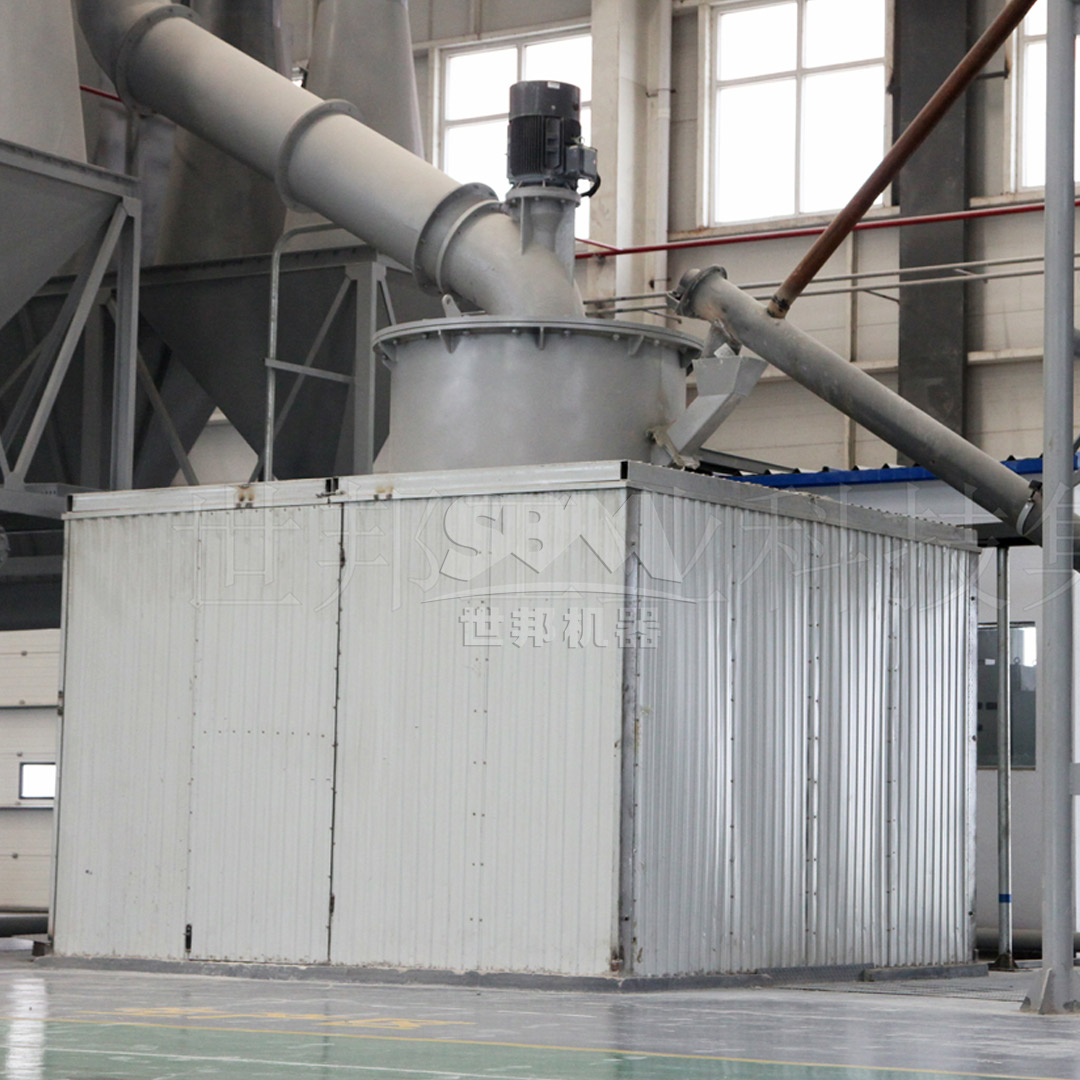
For applications requiring consistent 1250 mesh calcite powder production, we recommend our SCM Series Ultrafine Mill. This specialized grinding system is engineered specifically for the 325-2500 mesh range (D97≤5μm) and offers several distinct advantages for superfine calcite production.
Technical Specifications
The SCM Ultrafine Mill accepts feed material up to 20mm and processes it to the target fineness of 1250 mesh with remarkable consistency. With capacity ranging from 0.5 to 25 tons per hour depending on model selection, this system can be scaled to meet various production requirements. The mill’s vertical turbine classification system ensures precise particle size control with no coarse powder contamination.
Performance Advantages
The SCM series demonstrates exceptional energy efficiency, consuming 30% less energy compared to jet mills while delivering twice the production capacity. This is achieved through intelligent control systems that automatically adjust operating parameters based on real-time feedback of product particle size. The special material composition of grinding rollers and rings extends service life significantly, while the bearing-free screw grinding chamber design ensures stable operation.
Environmental Compliance
Environmental considerations are fully addressed with pulse dust collection efficiency exceeding international standards and noise levels maintained below 75dB through integrated sound insulation. The system operates with minimal dust emission and meets strict environmental regulations.
Alternative Solution: LUM Ultra-fine Vertical Mill
For operations requiring even finer particle sizes or specialized applications, the LUM Ultra-fine Vertical Mill provides an excellent alternative. This advanced grinding system achieves 325-2500 mesh output with exceptional precision and reliability.
Advanced Features
The LUM series incorporates unique roller sleeve and liner curve designs that significantly improve grinding efficiency. Multi-rotor classification technology ensures the final product contains no coarse particles, while the PLC automation system maintains stable operation with minimal operator intervention. The fully sealed negative pressure operation eliminates dust leakage, creating a clean working environment.
Model Selection Guide
The LUM series offers multiple model options to match specific production requirements. The LUM1525 model with 220-250 kW main motor power delivers 1.6-11.5 t/h capacity, while the larger LUM1836 model with 355-400 kW power achieves 2.3-15 t/h throughput. All models maintain consistent D97 particle size between 5-30μm, making them ideal for 1250 mesh calcite production.
Operational Considerations for Superfine Grinding
Feed Material Preparation
Proper feed material preparation is essential for efficient superfine grinding. Calcite feedstock should be pre-crushed to ≤20mm and have consistent moisture content to ensure optimal mill performance. Pre-drying may be necessary if moisture levels exceed recommended parameters.
System Integration
Successful superfine calcite production requires proper integration of the grinding mill with auxiliary equipment including feeding systems, classifiers, collectors, and dust treatment systems. The recommended mills are designed for seamless integration with these components, creating a complete production line with minimal operational complexity.

Economic Analysis
Operating Cost Considerations
The economic viability of superfine calcite production depends significantly on grinding efficiency and energy consumption. The recommended SCM Ultrafine Mill reduces operating costs through 30% lower energy consumption compared to alternative technologies and reduced maintenance requirements due to its durable design and extended wear part life.
Return on Investment
Operations producing 1250 mesh calcite powder typically achieve return on investment within 12-24 months when utilizing the SCM series, based on reduced energy costs, higher production rates, and superior product quality commanding premium market prices.
Conclusion
Producing high-quality 1250 mesh calcite powder requires advanced grinding technology that balances particle size control, production efficiency, and operational costs. The SCM Ultrafine Mill and LUM Vertical Mill represent the current state-of-the-art in superfine calcite production, offering reliable performance, energy efficiency, and consistent product quality. As market demand for finer calcite powders continues to grow, these advanced grinding systems provide the technological foundation for competitive production in this specialized segment.
For operations considering entry into or expansion of superfine calcite production, we recommend consulting with our technical team to determine the optimal equipment configuration based on specific material characteristics, production targets, and quality requirements. Our engineers can provide comprehensive technical support from initial feasibility analysis through system commissioning and ongoing operational optimization.