Types of Ore Grinding Mill Models for Limestone and Calcite Powder Production
Introduction to Mineral Grinding Technology
The production of limestone and calcite powders represents a critical process in numerous industrial applications, ranging from construction materials to pharmaceutical formulations. The selection of appropriate grinding equipment directly impacts product quality, production efficiency, and operational costs. This comprehensive analysis examines the various types of ore grinding mills suitable for limestone and calcite powder production, with particular emphasis on technological advancements that have revolutionized mineral processing operations.
Modern grinding mills have evolved significantly from traditional ball mills to sophisticated systems incorporating precision classification, automated controls, and energy-efficient designs. The fundamental objective remains consistent: reducing particle size while maintaining product consistency and minimizing energy consumption. For limestone and calcite specifically, the chemical composition and relatively soft Mohs hardness (approximately 3) make them ideal candidates for various grinding technologies, though the specific application requirements ultimately dictate the optimal equipment selection.
Major Grinding Mill Categories
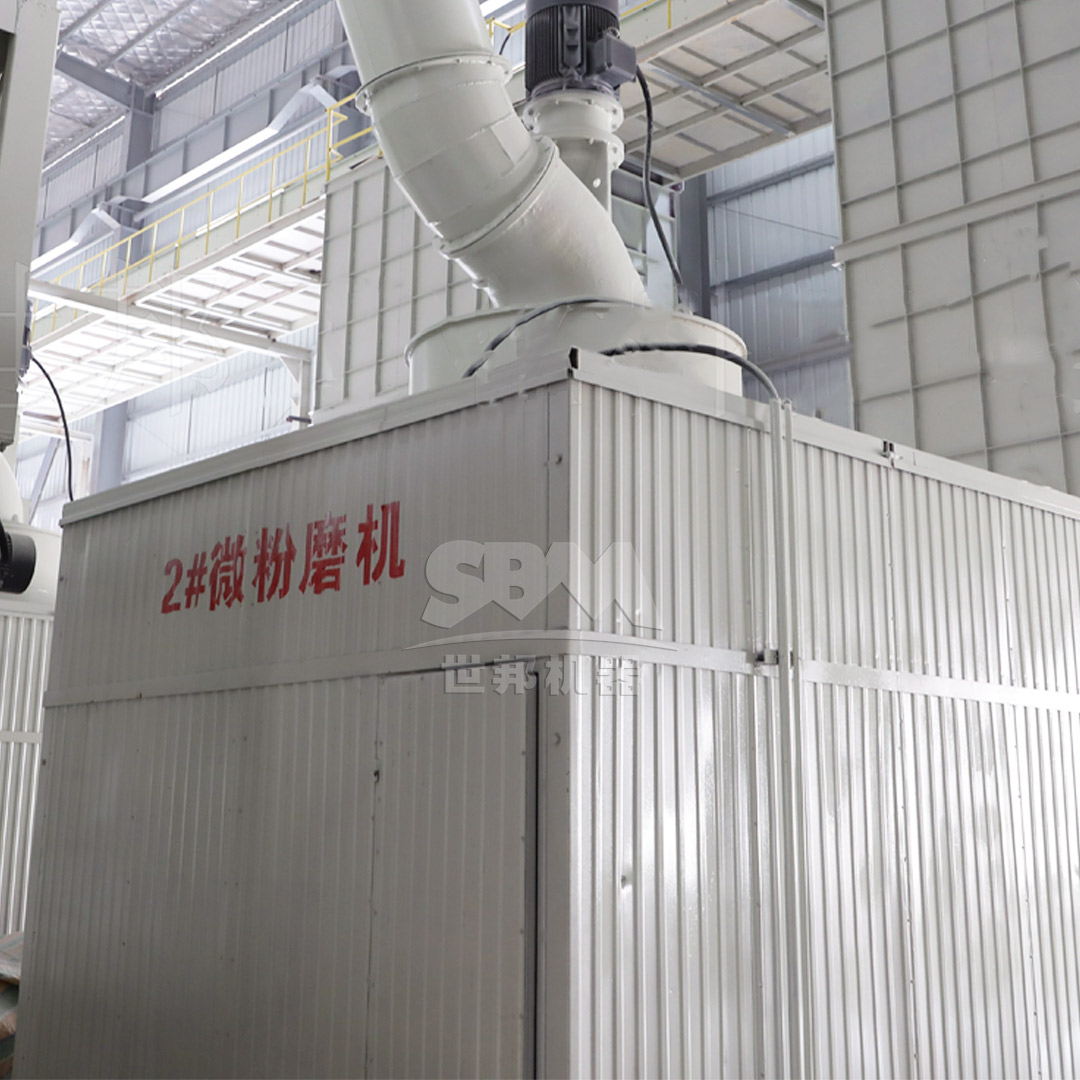
Ultra-Fine Grinding Mills
Ultra-fine grinding mills represent the pinnacle of precision in mineral processing, capable of producing powders with particle sizes down to 5 micrometers (μm) or finer. These systems are essential for applications requiring exceptionally high surface area or specific particle morphology. The technological foundation of ultra-fine grinding involves sophisticated classification systems that separate particles based on size with remarkable accuracy, often utilizing centrifugal forces or air currents to achieve precise cuts.
These mills typically employ multiple grinding stages and integrated classification systems to ensure uniform product quality. The energy consumption per ton of product is generally higher than coarser grinding systems, but this is offset by the premium value of ultra-fine powders in specialized markets. Applications for ultra-fine limestone and calcite include high-performance plastics, advanced coatings, pharmaceutical excipients, and specialty chemicals where particle size distribution critically influences end-product performance.
Medium-Speed Grinding Mills
Medium-speed grinding mills occupy an important position in mineral processing, balancing production capacity with reasonable energy consumption while achieving moderate fineness requirements. These systems typically operate at rotational speeds between ultra-fine mills and conventional ball mills, utilizing various grinding mechanisms including roller compression, impact, and attrition. The trapezium mill design, in particular, has proven highly effective for processing medium-hardness minerals like limestone and calcite.
The operational principle of medium-speed mills often involves a rotating grinding table or ring with stationary or rotating rollers that apply compressive forces to the material. The ground product is then transported by air to a classification system where oversized particles are separated and returned for further grinding. This closed-circuit operation ensures consistent product quality while optimizing energy utilization. These mills are particularly well-suited for producing powders in the 45-325 mesh range (approximately 350-45μm), which covers many industrial applications for limestone and calcite.
Vertical Roller Mills
Vertical roller mills (VRMs) have gained significant popularity in recent decades due to their compact footprint, high energy efficiency, and operational flexibility. These mills utilize a vertical orientation with a rotating grinding table and hydraulically-loaded rollers that apply pressure to the material bed. The integrated drying capability makes VRMs particularly advantageous when processing materials with moderate moisture content, as hot gases can be introduced directly into the grinding chamber.
For limestone and calcite processing, VRMs offer several distinct advantages: reduced energy consumption compared to traditional ball mills (typically 30-40% lower), ability to handle variations in feed size and moisture, and excellent particle size control through adjustable separator speed. The grinding mechanism in VRMs is primarily compressive, which generates less heat than impact-based systems and helps preserve the chemical properties of sensitive materials. Modern VRMs incorporate sophisticated control systems that automatically adjust operational parameters to maintain consistent product quality despite fluctuations in feed characteristics.

Critical Selection Criteria for Limestone and Calcite Grinding
Particle Size Requirements
The intended application of the ground product fundamentally dictates the appropriate grinding equipment selection. For fillers in plastics and paints, where particle sizes typically range from 10-100μm, medium-speed grinding mills often provide the optimal balance between capital investment and operational costs. When producing ultrafine powders for specialized applications such as paper coating or high-performance concrete, where particles finer than 10μm are required, advanced ultra-fine grinding systems become necessary despite their higher energy consumption.
The particle size distribution (PSD) represents another critical consideration beyond the top size. Some applications require narrow PSD curves, necessitating highly efficient classification systems. Modern grinding mills incorporate dynamic or static classifiers that can be adjusted during operation to modify the PSD without interrupting production. The shape of individual particles can also influence product performance in certain applications, with some grinding mechanisms producing more equiaxed particles while others generate plate-like morphology.
Production Capacity Considerations
The required production capacity significantly influences equipment selection, with different mill types exhibiting distinct scalability characteristics. For high-volume applications exceeding 50 tons per hour, large vertical roller mills or multiple medium-speed mills operating in parallel often represent the most economical solution. Smaller operations requiring 1-10 tons per hour may find ultra-fine grinding systems or compact vertical mills more appropriate.
Operational flexibility represents another important consideration, particularly for facilities producing multiple product grades or serving variable market demands. Some grinding systems can rapidly adjust between different product fineness levels with minimal transition time, while others require significant operational changes or even mechanical modifications. The ability to maintain efficiency across a range of production rates is particularly valuable in industries with seasonal demand fluctuations.
Energy Efficiency and Operational Costs
Energy consumption typically represents the largest component of operating costs in grinding operations, making efficiency a paramount consideration. Advances in mill design, drive systems, and classification technology have substantially reduced specific energy consumption (kWh/ton) across all mill types. Modern vertical roller mills often achieve 30-50% lower energy consumption compared to traditional ball mills for similar applications, though the absolute savings vary with product fineness and material characteristics.
Beyond electrical energy, considerations should include wear part consumption, maintenance requirements, and personnel costs. Mills with easily replaceable wear components and automated maintenance systems can significantly reduce downtime and associated costs. The availability of spare parts and technical support represents another practical consideration, particularly in remote operating locations where extended downtime can have severe financial implications.
Recommended Solutions for Specific Applications
High-Capacity Ultrafine Powder Production
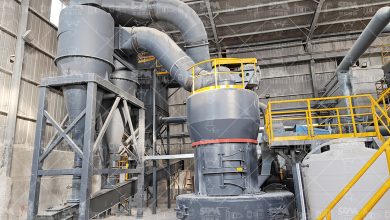
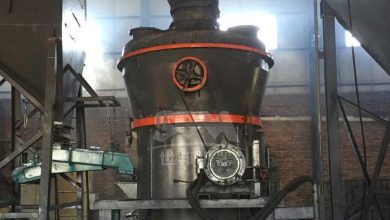
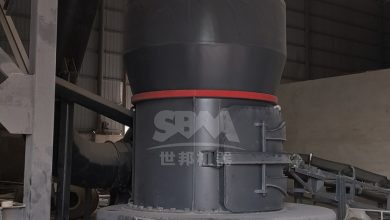
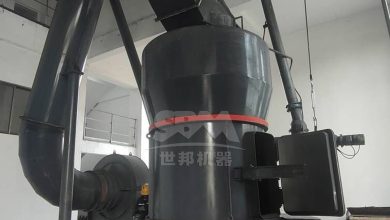
For operations requiring high-volume production of ultrafine limestone or calcite powders, the SCM Ultrafine Mill represents an optimal solution. This advanced grinding system achieves remarkable fineness levels up to 2500 mesh (D97≤5μm) while maintaining impressive production capacities ranging from 0.5 to 25 tons per hour depending on the specific model. The mill’s technological advantages include a vertical turbine classification system that ensures precise particle size control without coarse powder contamination.
The SCM Ultrafine Mill incorporates several innovative features that enhance its operational efficiency and reliability. The specially designed grinding roller and ring assembly, manufactured from wear-resistant materials, extends service life significantly compared to conventional designs. The intelligent control system automatically monitors and adjusts operational parameters to maintain consistent product quality while optimizing energy consumption. With noise levels below 75dB and pulse dust collection efficiency exceeding international standards, this mill addresses both environmental and workplace safety requirements.
Versatile Medium-Fine Powder Production
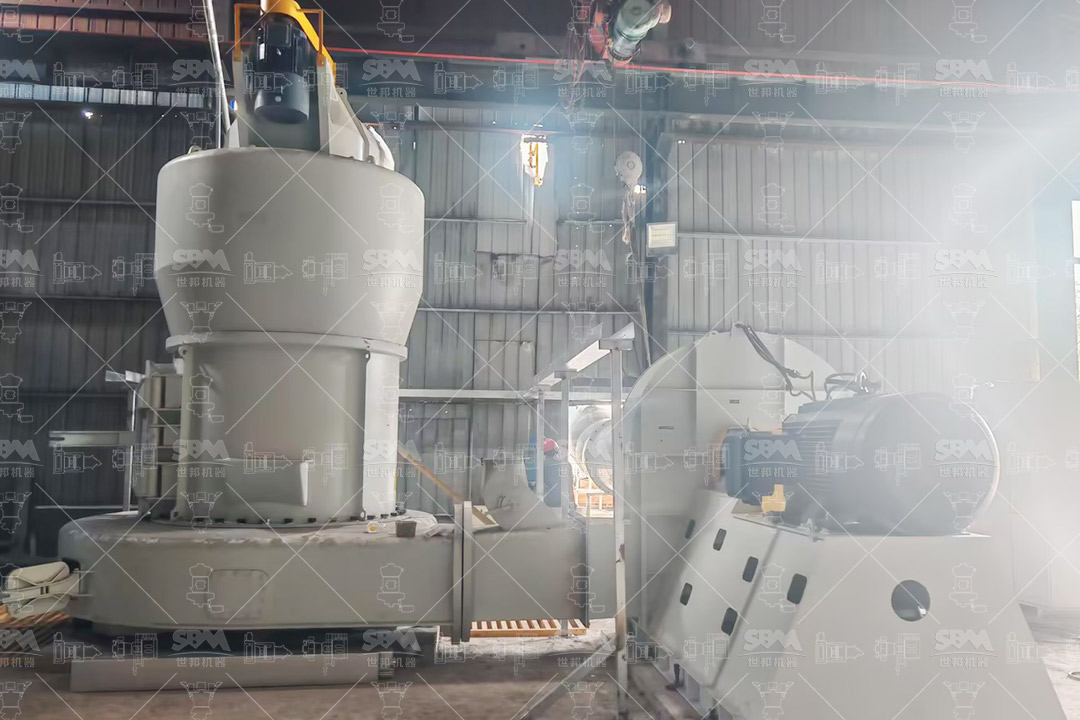
For applications requiring flexible production of limestone and calcite powders in the 30-325 mesh range, the MTW Series Trapezium Mill offers an excellent balance of performance, efficiency, and reliability. This European-style grinding mill handles feed materials up to 50mm in size and achieves production capacities from 3 to 45 tons per hour across its various models. The innovative design incorporates several patented technologies, including an arc-shaped air channel that minimizes energy loss and enhances material transport efficiency.
The MTW Series features a unique wear-resistant shovel design with combined blades that significantly reduce maintenance costs while extending operational life. The integral transmission with bevel gear achieves remarkable 98% transmission efficiency, reducing energy consumption while simplifying installation requirements. The abrasion-resistant volute structure eliminates flow resistance, improving air classification efficiency while reducing maintenance costs by approximately 30%. These technological advancements make the MTW Series particularly suitable for operations requiring consistent product quality across varying production requirements.
Future Trends in Mineral Grinding Technology
The evolution of grinding technology continues to focus on enhancing energy efficiency, reducing environmental impact, and increasing operational flexibility. Digitalization represents a significant trend, with advanced control systems incorporating real-time monitoring, predictive maintenance algorithms, and remote operational capabilities. These systems can automatically adjust mill parameters based on feed material characteristics and product requirements, optimizing performance while minimizing operator intervention.
Sustainability considerations are increasingly influencing equipment design, with emphasis on reducing carbon footprint through lower energy consumption, longer component life, and reduced consumption of water and other resources. The integration of grinding operations with renewable energy sources and waste heat recovery systems represents another emerging trend. As regulatory requirements for emissions and workplace safety continue to tighten, grinding equipment manufacturers are developing innovative solutions that address these challenges while maintaining competitive operational costs.
Conclusion
The selection of appropriate grinding equipment for limestone and calcite powder production requires careful consideration of multiple factors, including product specifications, production capacity, energy efficiency, and operational costs. The diverse range of available grinding technologies enables processors to identify optimal solutions for specific applications, from high-volume coarse grinding to precision ultrafine powder production. Technological advancements continue to enhance the performance, reliability, and efficiency of grinding systems, providing opportunities for processors to improve their competitive position in increasingly demanding markets.
By understanding the capabilities and limitations of different grinding mill types, operations managers can make informed decisions that balance capital investment with long-term operational efficiency. The recommended SCM Ultrafine Mill and MTW Series Trapezium Mill represent examples of how specialized engineering addresses specific processing challenges while incorporating the latest advancements in grinding technology. As market requirements continue to evolve, the mineral processing industry can anticipate further innovations that will enhance productivity while reducing environmental impact.