5R vs 4R Raymond Mill: Key Differences in Ore Grinding Performance
Introduction to Raymond Mill Technology
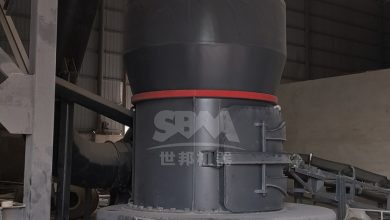
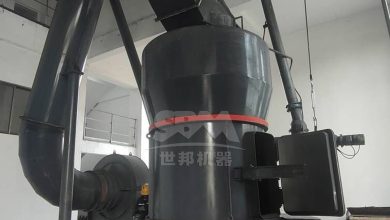
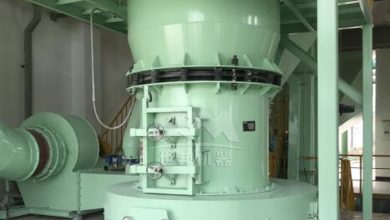
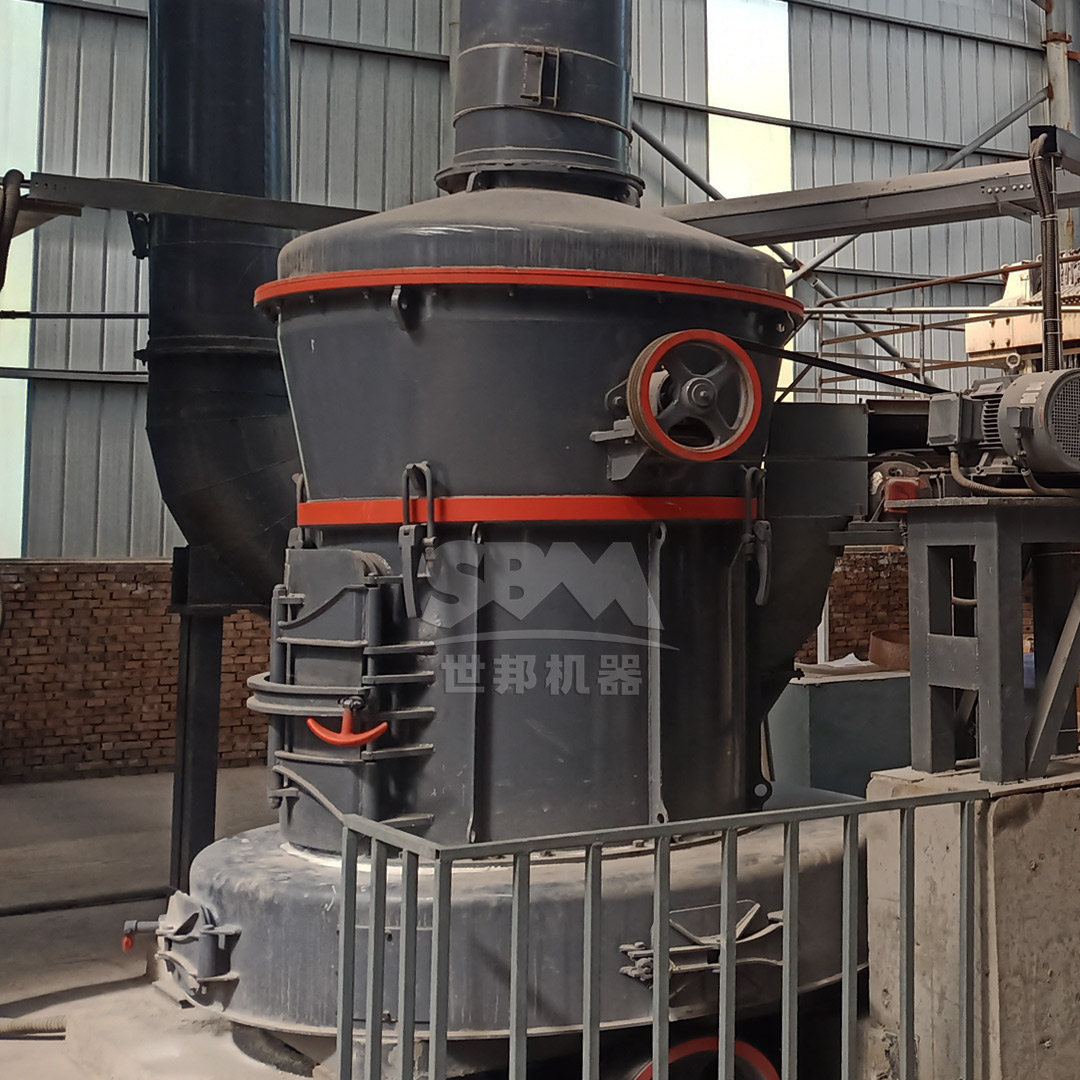
Raymond Mill, also known as pendulum roller mill, has been a cornerstone in mineral processing operations for decades. The classification of Raymond Mills by roller quantity – typically 3R, 4R, 5R, and 6R – represents significant differences in grinding capacity, efficiency, and application scope. This comprehensive analysis examines the critical distinctions between 5R and 4R Raymond Mills, focusing on their ore grinding performance characteristics and practical implications for mineral processing operations.
Fundamental Structural Differences
Roller Configuration and Grinding Force
The most apparent distinction between 5R and 4R Raymond Mills lies in their roller quantity. The 5R configuration incorporates five grinding rollers, while the 4R utilizes four. This additional roller in 5R mills translates to approximately 25% more grinding surface area and significantly enhanced grinding pressure distribution across the mill’s grinding ring.
The increased roller count in 5R mills creates a more balanced loading pattern, reducing vibration and improving operational stability. This structural advantage becomes particularly important when processing hard ores or achieving finer product sizes, where consistent grinding pressure is essential for maintaining product quality and mill efficiency.
Mainframe and Foundation Requirements
Due to the additional roller and associated components, 5R Raymond Mills typically feature heavier mainframes and more robust structural designs compared to their 4R counterparts. The increased mass provides better vibration damping and allows for higher grinding forces without compromising operational stability.
This structural enhancement, however, comes with implications for installation requirements. 5R mills generally demand more substantial foundations and greater clearance for maintenance operations. The increased weight also affects transportation logistics and installation timelines, factors that must be considered during project planning.
Performance Comparison in Ore Grinding Applications
Capacity and Throughput Analysis
When comparing grinding capacity, 5R Raymond Mills typically demonstrate 20-35% higher throughput than equivalent-sized 4R models under identical operating conditions. For medium-hard ores with feed sizes below 30mm, a standard 5R Raymond Mill can achieve processing capacities of 8-15 tons per hour, while a comparable 4R unit typically handles 6-12 tons per hour.
The capacity advantage of 5R mills becomes more pronounced when processing softer materials or when coarser product sizes are acceptable. However, this relationship may vary with specific ore characteristics, particularly moisture content, abrasiveness, and grindability indices.
Energy Efficiency Considerations
Despite their higher absolute power consumption, 5R Raymond Mills often demonstrate better specific energy efficiency (kWh per ton of processed material) compared to 4R models. The improved efficiency stems from more effective utilization of grinding energy through better pressure distribution and reduced bypass of unground particles.
Our operational data indicates that 5R mills typically achieve specific energy consumption reductions of 8-15% compared to 4R units processing the same material to identical fineness levels. This efficiency advantage contributes significantly to operational cost reduction over the equipment’s lifespan.
Product Fineness and Particle Size Distribution
Both 5R and 4R Raymond Mills can produce products in the range of 30-325 mesh (0.613-0.044mm), but the 5R configuration generally offers better control over particle size distribution. The additional roller provides more consistent grinding action, resulting in narrower size distributions and reduced oversize particles.
For applications requiring strict particle size control, such as fillers or chemical feedstocks, the 5R’s superior distribution characteristics can reduce the need for additional classification equipment or downstream processing steps.
Operational and Maintenance Considerations
Wear Part Consumption and Maintenance Intervals
The increased roller count in 5R mills translates to higher initial wear part inventory requirements but often results in longer maintenance intervals. The distributed grinding pressure across five rollers rather than four reduces individual roller loading, potentially extending roller and grinding ring service life by 15-25%.
However, maintenance procedures for 5R mills are generally more complex due to tighter clearances and additional components. Proper training and maintenance planning are essential to maximize equipment availability and minimize downtime.
Operational Flexibility and Control
5R Raymond Mills typically offer superior operational flexibility, particularly when processing ores with varying characteristics. The additional grinding element provides better stability during feed rate fluctuations and allows for finer adjustment of product characteristics through roller pressure modulation.
Advanced 5R models often incorporate automated control systems that leverage the mill’s inherent stability advantages to maintain consistent product quality despite variations in feed material properties.
Economic Analysis: Total Cost of Ownership
Capital Investment Comparison
The initial capital investment for a 5R Raymond Mill typically exceeds that of a comparable 4R unit by 20-35%, depending on manufacturer, specifications, and auxiliary equipment. This premium reflects the larger mainframe, additional grinding elements, and more powerful drive systems.
However, this higher initial investment must be evaluated against operational benefits, including higher throughput, better energy efficiency, and potentially lower maintenance costs per ton processed.
Operational Cost Considerations
Beyond specific energy consumption differences, operational cost factors include wear part consumption, maintenance labor, and equipment availability. While 5R mills generally demonstrate advantages in most of these areas, the specific balance depends on operational parameters, ore characteristics, and local cost structures.
For operations with high energy costs or expensive maintenance resources, the efficiency advantages of 5R configuration often justify the higher capital investment within reasonable payback periods.
Advanced Alternatives: Beyond Traditional Raymond Mills
MTW Series Trapezium Mill: Enhanced Performance Solution
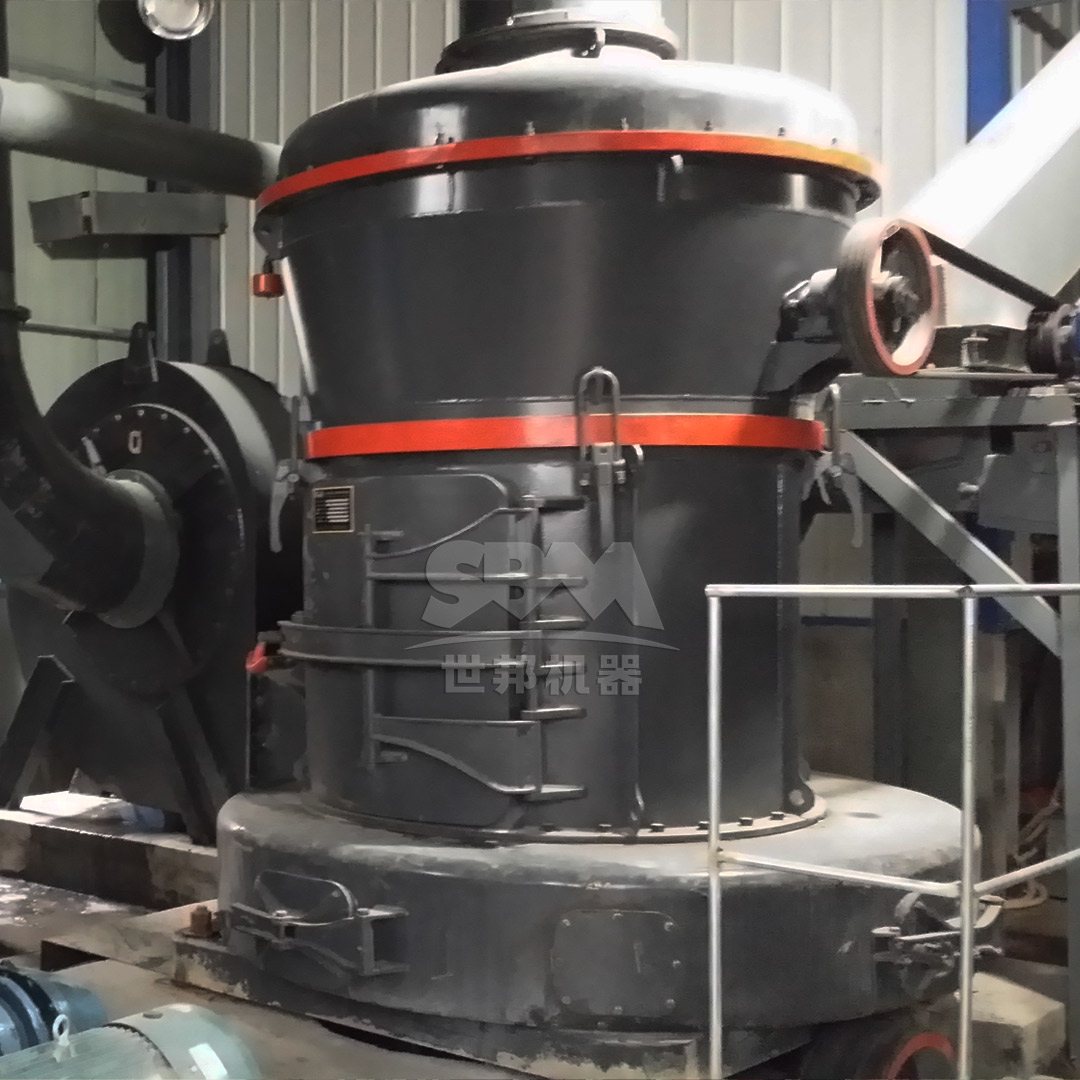
For operations seeking performance beyond conventional Raymond Mills, our MTW Series Trapezium Mill represents a significant technological advancement. With its innovative curved air duct,锥齿轮整体传动 system achieving 98% transmission efficiency, and advanced wear protection systems, the MTW Series delivers superior grinding performance for a wide range of ores.
The MTW Series accommodates feed sizes up to 50mm and achieves output fineness from 30-325 mesh (0.038mm), with capacity ranging from 3-45 tons per hour depending on model specification. The patented inner oil lubrication system and combination wear shovel design reduce maintenance costs by 30% compared to conventional designs while extending component service life.
LM Series Vertical Roller Mill: High-Capacity Applications
For large-scale operations requiring maximum efficiency and capacity, our LM Series Vertical Roller Mill offers an exceptional solution with capacity ranging from 3-250 tons per hour. The compact design reduces footprint requirements by 50% while the non-contact grinding roller and disc design triples wear part lifespan.
With intelligent expert control systems supporting remote operation and real-time parameter monitoring, the LM Series achieves energy savings of 30-40% compared to ball mill systems while maintaining dust emissions below 20mg/m³. The integrated crushing/grinding/classification functionality makes it ideal for modern mineral processing facilities seeking to optimize their grinding circuits.
Application-Specific Recommendations
When to Choose 5R Raymond Mills
5R Raymond Mills are particularly well-suited for:
- Medium to large-scale operations requiring throughput above 8 tons per hour
- Applications demanding tight particle size distribution control
- Processing of abrasive ores where distributed wear extends component life
- Operations with high energy costs where efficiency advantages provide rapid ROI
- Facilities with consistent feed characteristics and stable operating conditions
When 4R Raymond Mills Remain Appropriate
4R Raymond Mills continue to offer advantages in specific scenarios:
- Small to medium-scale operations with throughput requirements below 8 tons per hour
- Applications with space constraints or limited foundation capabilities
- Operations processing non-abrasive materials with consistent characteristics
- Budget-constrained projects where lower initial investment is prioritized
- Operations with frequent product changes where simpler maintenance is beneficial
Conclusion: Strategic Selection for Optimal Performance
The selection between 5R and 4R Raymond Mills involves careful consideration of operational requirements, economic factors, and long-term strategic objectives. While 5R configurations generally offer performance advantages in throughput, efficiency, and product quality, these come at the cost of higher capital investment and increased complexity.
For operations requiring performance beyond conventional Raymond Mill capabilities, advanced solutions like our MTW Series Trapezium Mill and LM Series Vertical Roller Mill provide compelling alternatives with enhanced efficiency, reduced operating costs, and superior control capabilities. The optimal equipment selection ultimately depends on specific operational parameters, economic considerations, and strategic operational objectives.
As grinding technology continues to evolve, the fundamental principles of matching equipment capabilities to operational requirements remain essential for maximizing productivity, minimizing operating costs, and ensuring long-term operational success in mineral processing applications.