High-Purity Quartz Sand Prices Surge as Solar Industry Expands Rapidly
Introduction: The Solar Boom and Its Raw Material Demands
The global transition to renewable energy has accelerated at an unprecedented pace, with solar power leading the charge. As governments and corporations worldwide commit to ambitious carbon reduction targets, photovoltaic (PV) installations have reached record levels. This rapid expansion has created a ripple effect throughout the supply chain, placing intense pressure on critical raw materials—particularly high-purity quartz sand.
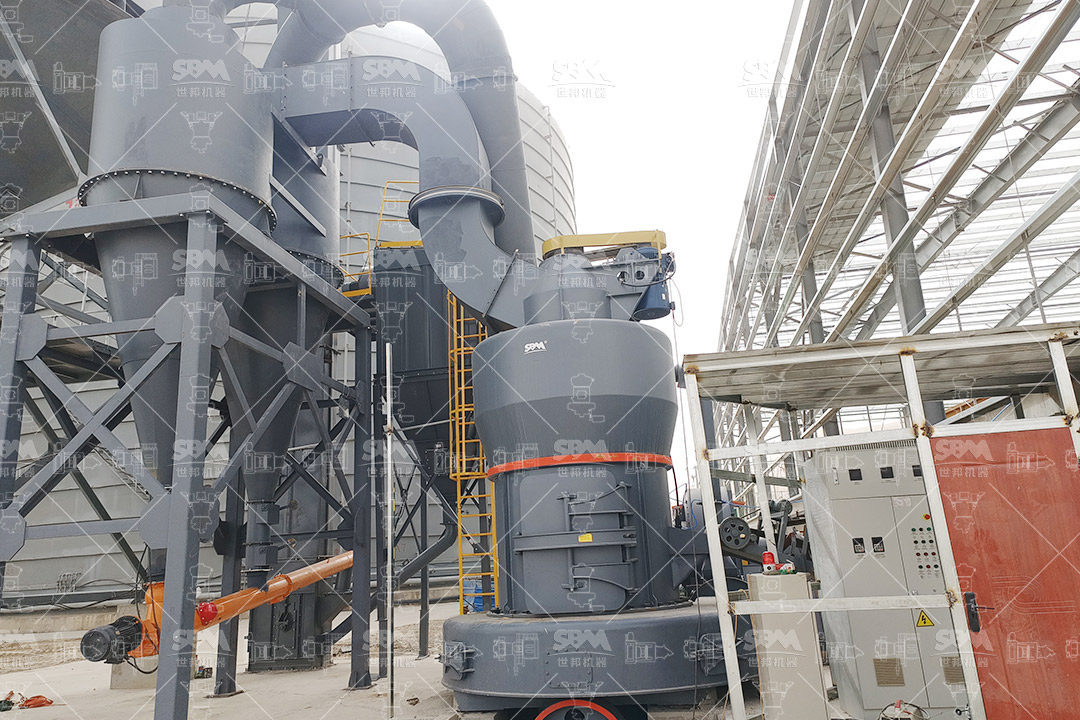
High-purity quartz sand, defined as containing more than 99.995% SiO₂, serves as the fundamental raw material for manufacturing solar-grade silicon. The quartz transformation process begins with crushing raw quartz ore, followed by multiple stages of purification and thermal processing to achieve the ultra-pure silicon required for solar cells. With solar panel manufacturing capacity expected to double by 2027, the quartz supply-demand imbalance has become a critical industry challenge.
The Quartz Supply Crisis: Understanding Market Dynamics
Market analysis indicates that high-purity quartz sand prices have increased by approximately 45% over the past 18 months, with premium grades experiencing even steeper price hikes. Several interconnected factors drive this trend:
Geological Scarcity and Quality Requirements
Naturally occurring high-purity quartz deposits are exceptionally rare globally. Only a handful of locations worldwide contain quartz with sufficiently low impurity levels (particularly aluminum, iron, and alkali metals) to be economically processed for solar applications. The stringent chemical specifications for solar-grade quartz—typically requiring iron content below 15 ppm and aluminum below 25 ppm—eliminate over 95% of global quartz production from consideration.
Energy-Intensive Processing
The transformation of raw quartz into solar-grade silicon remains extraordinarily energy-intensive. The conventional process involves carbothermic reduction in electric arc furnaces at temperatures exceeding 2,000°C, followed by multiple purification steps. With energy costs rising globally, production expenses have increased correspondingly, contributing to higher final product prices.
Accelerating Demand Growth
Global solar installations reached approximately 350 GW in 2023, representing year-over-year growth of 56%. Conservative projections suggest annual installations will exceed 600 GW by 2030. This exponential growth translates directly to quartz consumption, with each gigawatt of solar panel capacity requiring 450-500 metric tons of high-purity quartz sand.
Processing Technology: The Critical Link in the Supply Chain
As natural high-purity quartz resources become increasingly constrained, technological advancements in processing medium-grade quartz deposits have gained strategic importance. Modern quartz processing involves multiple comminution and purification stages, each requiring specialized equipment capable of achieving precise particle size distributions without introducing contaminants.
Primary Crushing and Coarse Grinding
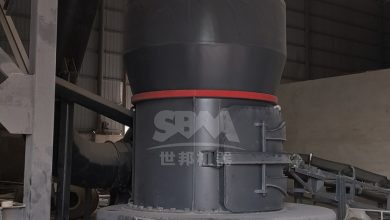
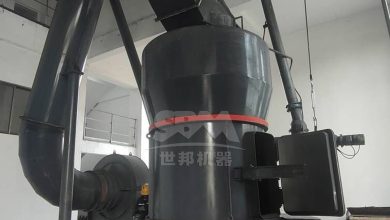
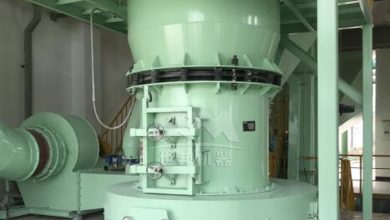
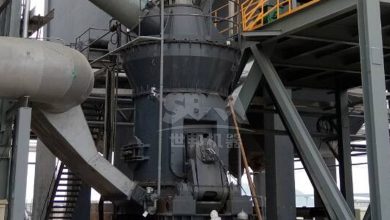
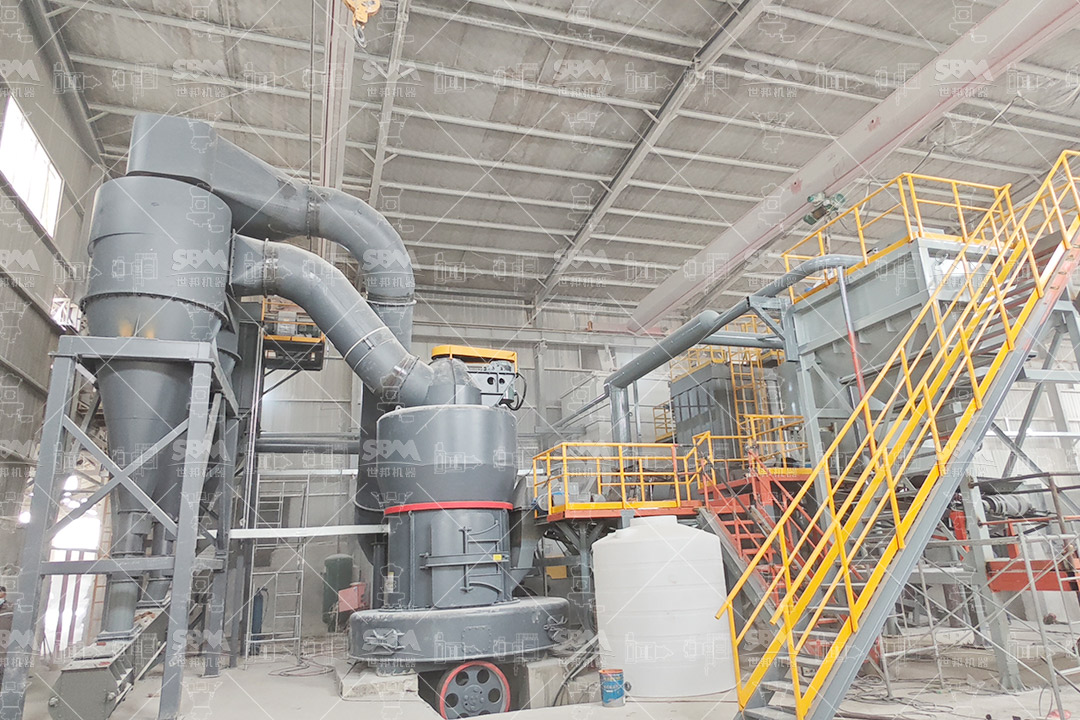
Raw quartz ore typically undergoes primary crushing to reduce particle size to below 50mm. At this stage, robust equipment capable of handling abrasive materials is essential. Our MTW Series Trapezium Mill represents an optimal solution for coarse grinding applications, with its innovative wear-resistant design specifically engineered for hard, abrasive materials like quartz.
The MTW Series features several technological advantages particularly relevant to quartz processing:
- Anti-wear shovel blade design with combined replaceable segments significantly reduces maintenance costs when processing highly abrasive quartz
- Curved air channel optimization minimizes energy loss during material transport, with high-strength guard plates protecting working surfaces
- Integrated bevel gear transmission achieves 98% transmission efficiency while reducing installation footprint
- Processing capacity ranging from 3-45 tons/hour depending on model specifications
Fine and Ultrafine Grinding for Purification
Following initial processing, quartz undergoes fine grinding to liberate impurities from grain boundaries, a critical step preceding chemical purification. This stage demands equipment capable of producing tightly controlled particle size distributions while minimizing iron contamination from wear parts.
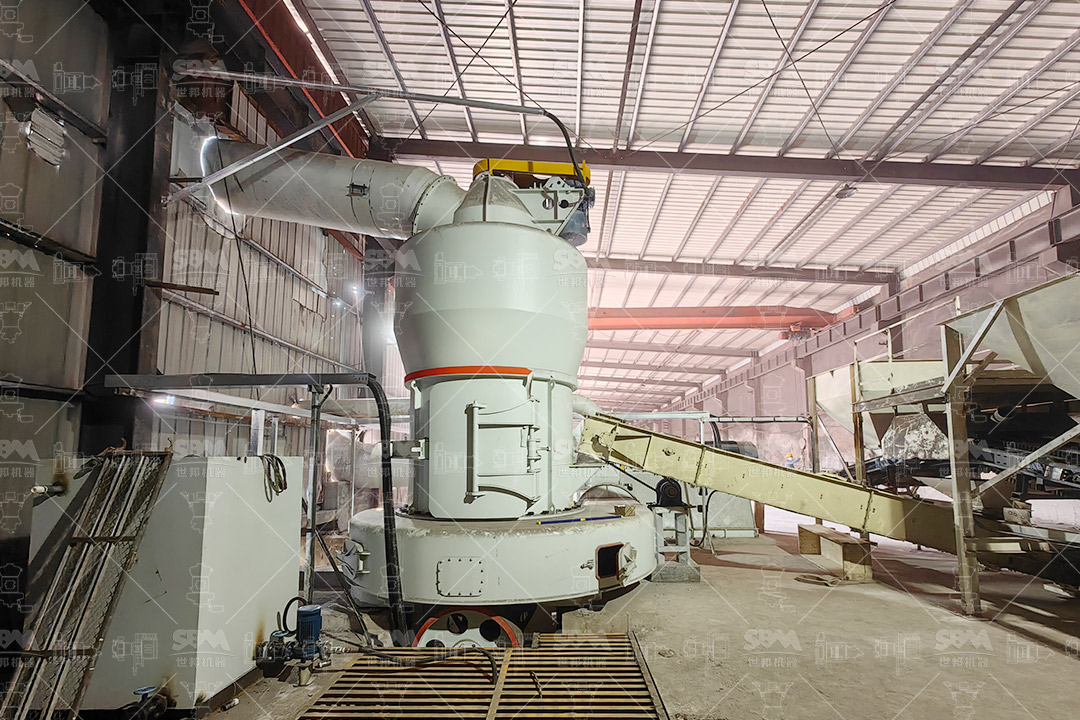
For these applications, our SCM Ultrafine Mill delivers exceptional performance in the 325-2500 mesh range (D97≤5μm). The technological features that make it ideal for high-purity quartz processing include:
- High-efficiency classification system with vertical turbine classifiers ensuring precise particle size cuts without coarse powder contamination
- Special material grinding rollers and rings manufactured from proprietary alloys that extend service life 3-4 times compared to conventional materials
- Energy efficiency delivering twice the capacity of jet mills with 30% lower energy consumption
- Environmental compliance with pulse dust collection exceeding international standards and noise levels below 75dB
The SCM Series offers models with processing capacities from 0.5-25 tons/hour, making it suitable for operations of various scales. For quartz processing plants targeting the solar industry, the ability to produce consistent, contamination-free fine powders directly impacts purification efficiency and final product quality.
Strategic Implications for Solar Manufacturers
The quartz supply crunch has forced solar manufacturers to reevaluate their supply chain strategies. Several approaches are emerging as potential solutions:
Vertical Integration
Leading solar manufacturers are increasingly backward-integrating into quartz processing to secure supply and control quality. This strategy requires significant capital investment but provides greater supply chain resilience. For companies pursuing this path, selecting the right processing technology becomes a long-term competitive advantage.
Technology Partnerships
Rather than building processing capacity in-house, some manufacturers are forming strategic partnerships with specialized quartz processors. These arrangements allow solar companies to leverage specialized expertise while minimizing capital expenditure.
Process Innovation
Research into alternative silicon production methods that reduce quartz consumption continues to advance. Technologies such as fluidized bed reactors for silicon deposition and upgraded metallurgical-grade silicon processes show promise but remain several years from commercial viability at scale.
Future Outlook and Market Projections
Industry analysts project that high-purity quartz sand demand will grow at a compound annual growth rate (CAGR) of 12.3% through 2030, significantly outpacing supply expansion. This structural imbalance suggests that price pressures will persist throughout the decade, with potential for temporary supply disruptions during periods of accelerated solar deployment.
The geographical concentration of quartz processing capacity presents additional challenges. Currently, China dominates quartz processing for solar applications, accounting for approximately 68% of global capacity. Geopolitical considerations and trade policies are increasingly influencing quartz supply chains, prompting solar manufacturers to diversify their sourcing strategies.
Conclusion: Navigating the New Quartz Economy
The solar industry’s explosive growth has fundamentally transformed the high-purity quartz market, creating both challenges and opportunities throughout the value chain. As prices continue their upward trajectory, technological innovation in quartz processing becomes increasingly critical for maintaining the solar industry’s competitive position relative to other energy sources.
Companies that invest in advanced processing technologies—such as our MTW Series Trapezium Mill for coarse grinding and SCM Ultrafine Mill for fine powder production—will be better positioned to navigate the current market dynamics. These technologies not only improve processing efficiency and reduce contamination but also lower operational costs through reduced energy consumption and extended component life.
As the global energy transition accelerates, the relationship between quartz processing technology and solar manufacturing will only deepen. The companies that master this intersection—combining material science, processing technology, and supply chain management—will lead the next phase of solar industry growth.