Key Requirements for Phosphorus Slag Grinding and Vertical Mill Process Flow
Introduction to Phosphorus Slag Grinding
Phosphorus slag, a byproduct of phosphorus production, has gained significant attention in recent years as a valuable supplementary cementitious material in construction applications. The effective utilization of phosphorus slag requires specialized grinding equipment capable of achieving precise particle size distribution and maintaining consistent product quality. This article explores the key requirements for phosphorus slag grinding and examines the vertical mill process flow that has proven most effective for this challenging material.
The unique characteristics of phosphorus slag, including its variable chemical composition, moderate hardness, and potential for moisture absorption, demand grinding systems with specific technical capabilities. Proper grinding not only enhances the reactivity of phosphorus slag but also ensures its compatibility with other cementitious materials in various applications.
Material Characteristics and Grinding Challenges
Phosphorus slag typically exhibits a glassy structure with amorphous content ranging from 85% to 95%, which contributes to its pozzolanic properties. The material has a Bond Work Index between 14-18 kWh/t and tends to be moderately abrasive due to the presence of silica and other mineral compounds. Understanding these material properties is crucial for selecting appropriate grinding equipment and optimizing process parameters.
Key challenges in phosphorus slag grinding include:
- Variable moisture content (typically 5-15%) requiring pre-drying capabilities
- Moderate abrasiveness necessitating wear-resistant grinding components
- Specific surface area requirements (usually 400-500 m²/kg for optimal reactivity)
- Consistent particle size distribution for predictable performance in final applications
- Minimal iron contamination to maintain product quality
Vertical Mill Technology for Phosphorus Slag
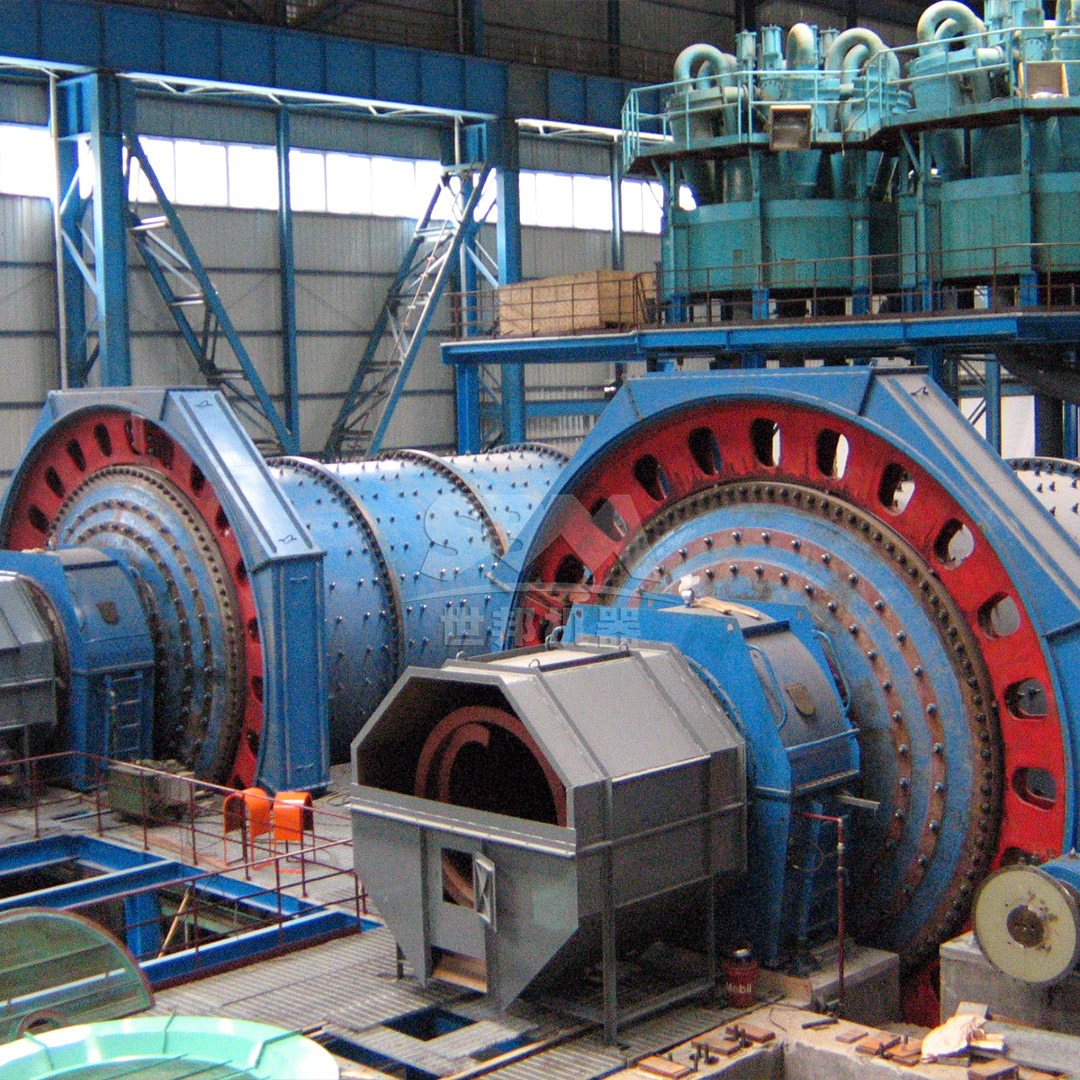
Vertical roller mills have emerged as the preferred technology for phosphorus slag grinding due to their superior energy efficiency, drying capability, and precise particle size control. Unlike traditional ball mills, vertical mills combine grinding, drying, and classification in a single unit operation, significantly reducing the overall footprint and energy consumption of the grinding circuit.
The fundamental working principle involves material being fed centrally onto the grinding table where it is ground between the table and rollers. Simultaneously, hot gas is introduced through the nozzle ring, providing efficient drying of moist feed material. The ground material is transported by the gas stream to the integrated classifier, where oversize particles are separated and returned to the grinding table for further size reduction.
Critical Process Parameters
Successful phosphorus slag grinding in vertical mills depends on careful control of several key parameters:
- Grinding pressure: Typically maintained between 8-12 MPa to ensure efficient comminution without excessive wear
- Gas flow and temperature: Inlet gas temperature of 250-350°C provides adequate drying while avoiding thermal degradation
- Classifier speed: Precisely controlled to achieve target fineness (usually 400-500 m²/kg Blaine)
- Table speed: Optimized to maintain stable grinding bed thickness
- Feed rate: Controlled to match mill capacity and maintain stable operation
Recommended Equipment Solutions
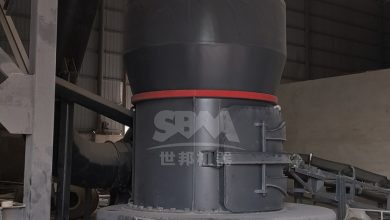
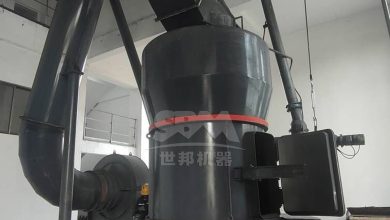
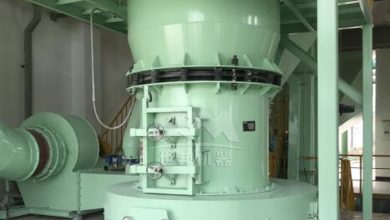
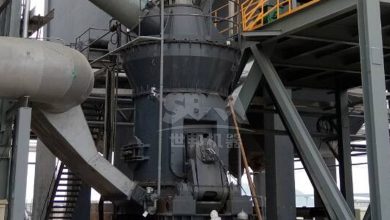
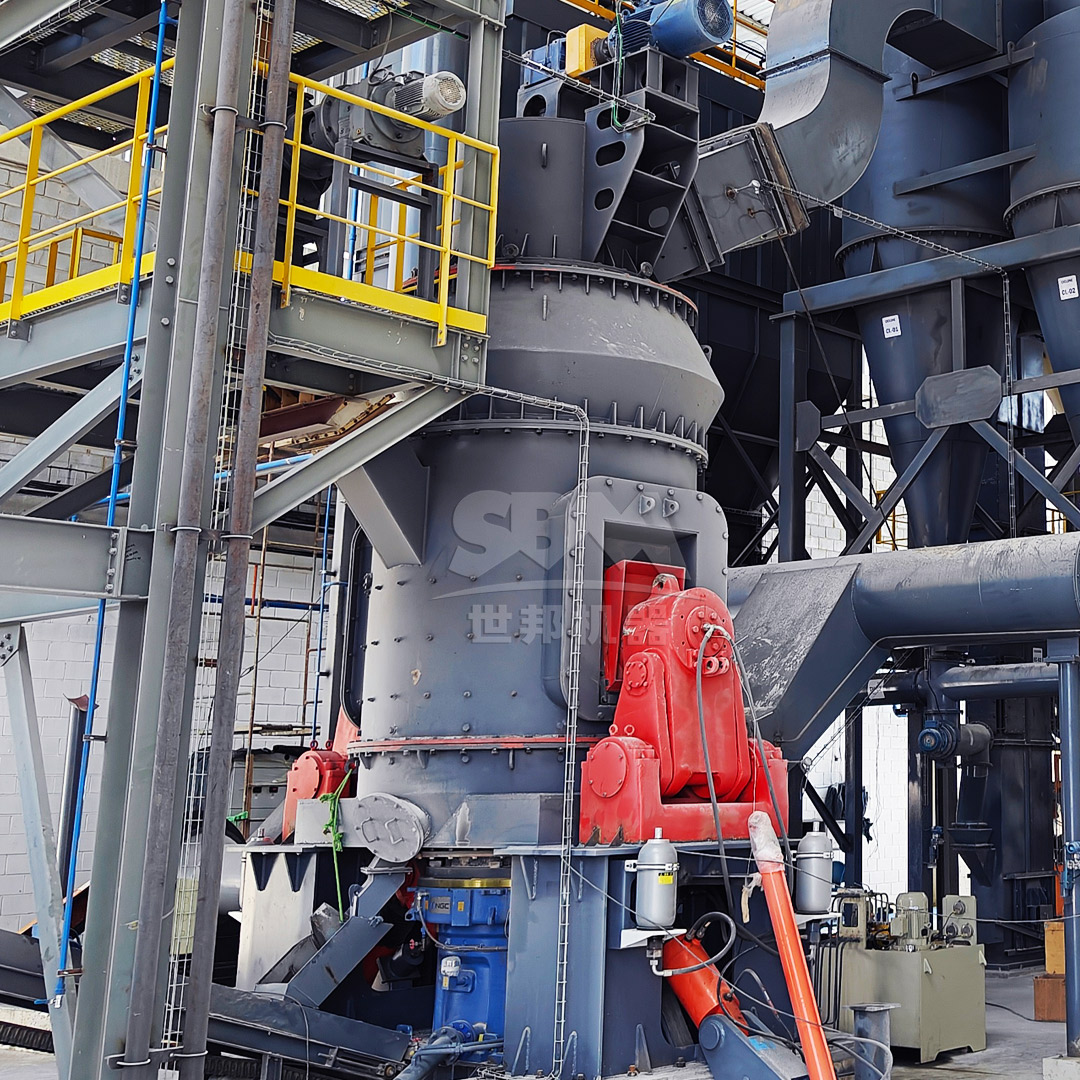
Based on the specific requirements of phosphorus slag grinding, we recommend our LM Series Vertical Roller Mill as the optimal solution for this application. The LM series offers several distinct advantages that align perfectly with the challenges of phosphorus slag processing.
LM Series Vertical Roller Mill Technical Advantages
The LM Vertical Roller Mill features an integrated design that combines crushing, grinding, drying, and separation functions in a single unit. This compact configuration reduces the plant footprint by up to 50% compared to traditional grinding systems and can be installed outdoors, cutting civil construction costs by 40%. The mill’s low operating costs stem from its non-contact grinding design, which extends wear part life by up to three times, and energy consumption that is 30-40% lower than ball mill systems.
For phosphorus slag applications specifically, the LM series offers:
- Intelligent control system: Expert automatic control supporting remote/local switching with real-time monitoring of operational parameters
- Environmental compliance: Fully sealed negative pressure operation with dust emissions <20mg/m³ and operating noise ≤80dB(A)
- Flexible fineness adjustment: Capability to produce product with fineness ranging from 30-325 mesh (special models up to 600 mesh)
- High capacity: Processing capacity from 3-250 tons per hour depending on model selection
Specific Model Recommendations
For medium-scale phosphorus slag grinding operations, the LM190N model represents an excellent balance of capacity and efficiency. With a grinding table diameter of 2400mm and processing capacity of 10-12 tons per hour, this model achieves the target specific surface area of ≥420m²/kg while maintaining product moisture content ≤1%. The main motor power of 500-560kW ensures efficient operation with phosphorus slag having moisture content <15% and Bond Work Index ≤23kWh/t.
For larger production requirements, the LM220N model offers increased capacity of 20-26 tons per hour with a grinding table diameter of 2800mm and main motor power of 900-1000kW. Both models feature our proprietary modular roller assembly for quick replacement and dynamic separator technology for precise particle size control.
Process Flow Description
The complete phosphorus slag grinding process using vertical mill technology follows a systematic flow that ensures optimal product quality and operational efficiency.
Raw Material Handling and Pre-treatment
Phosphorus slag received from storage is transported via belt conveyor to the mill feed bin. A weighing feeder controls the feed rate to maintain stable mill operation. If the slag contains surface moisture exceeding 15%, pre-drying may be necessary, though the vertical mill’s integrated drying capability can typically handle moisture contents up to this level.
Grinding and Drying Circuit
Material from the feed bin enters the mill through a central feed pipe and falls onto the rotating grinding table. Centrifugal force distributes the material uniformly across the table where it is ground between the table and rollers. Simultaneously, hot gas from the hot gas generator enters through the nozzle ring, fluidizing the ground material and providing efficient drying. The gas temperature is carefully controlled to avoid thermal damage to the slag’s reactive components while ensuring adequate moisture removal.
Classification and Product Collection
The ground and dried material is transported by the gas stream to the integrated dynamic classifier, where oversize particles are separated and returned to the grinding table for further size reduction. The correctly sized material continues with the gas stream to the baghouse filter for collection. The final product is discharged from the filter through rotary valves and transported to product silos.
Gas Circuit and Heat Management
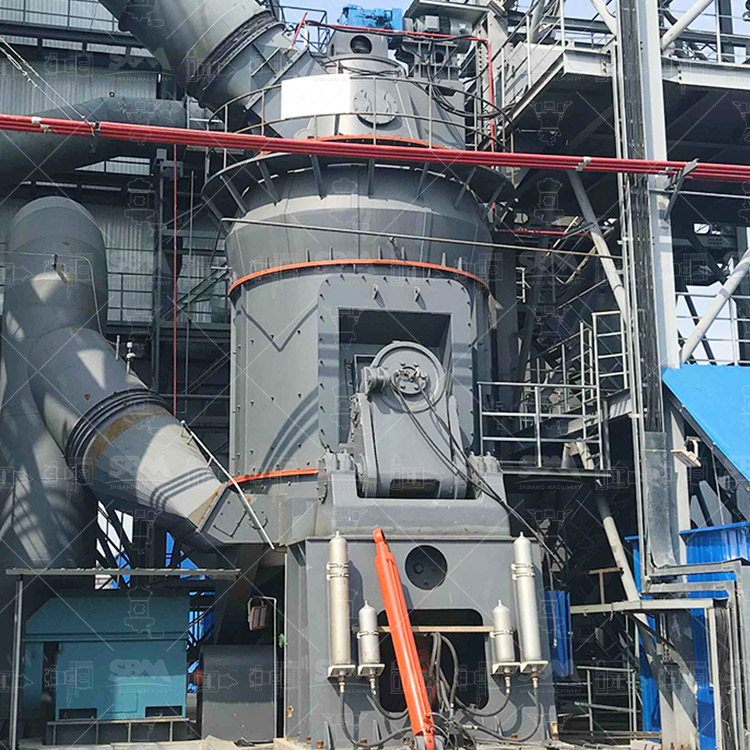
The gas circuit is a critical component of the vertical mill system. After passing through the baghouse filter, a portion of the cleaned gas may be recirculated to optimize thermal efficiency, while the remainder is exhausted to atmosphere through the main fan. Gas temperature at mill outlet is typically maintained at 90-100°C to prevent condensation in downstream equipment while minimizing energy consumption.
Quality Control and Optimization
Maintaining consistent product quality in phosphorus slag grinding requires comprehensive monitoring and control strategies. Key quality parameters include specific surface area, particle size distribution, moisture content, and chemical composition.
Process Control Strategies
Modern vertical mills for phosphorus slag incorporate advanced control systems that continuously monitor and adjust critical parameters:
- Mill differential pressure indicates grinding bed stability and is maintained within optimal range
- Classifier speed is automatically adjusted to maintain target fineness despite variations in feed characteristics
- Grinding pressure is optimized based on power consumption and product quality feedback
- Gas flow and temperature are controlled to balance drying efficiency and thermal energy consumption
Product Quality Monitoring
Regular sampling and analysis ensure the ground phosphorus slag meets specification requirements. Online particle size analyzers provide real-time feedback for process adjustment, while laboratory analysis verifies chemical composition and reactivity. The target particle size distribution typically shows 90% passing 45 microns with minimal oversize particles to ensure optimal performance in cementitious applications.
Operational Considerations and Maintenance
Successful long-term operation of vertical mills for phosphorus slag grinding requires attention to several operational and maintenance aspects.
Wear Management
Although phosphorus slag is only moderately abrasive, proper wear management extends component life and maintains grinding efficiency. Key wear parts include grinding rollers, grinding table segments, and classifier blades. Regular inspection and scheduled replacement prevent unexpected downtime and maintain product quality. The LM series vertical mills feature specially developed wear materials that provide extended service life in slag grinding applications.
Energy Optimization
Vertical mills already offer significant energy advantages over alternative grinding technologies, but further optimization is possible through:
- Optimization of classifier speed to minimize recirculation of fine material
- Maintenance of optimal grinding bed thickness to maximize grinding efficiency
- Recovery of waste heat from other processes for drying duties
- Use of high-efficiency motors and variable frequency drives
Conclusion
Vertical roller mill technology represents the state-of-the-art solution for phosphorus slag grinding, offering superior energy efficiency, product quality control, and operational flexibility compared to traditional grinding systems. The specific requirements of phosphorus slag – including its moisture content, abrasiveness, and fineness requirements – are well addressed by modern vertical mills like our LM series.
Proper selection of equipment size and configuration, combined with optimized process parameters and comprehensive control strategies, ensures efficient production of high-quality ground phosphorus slag suitable for various construction applications. As sustainability considerations continue to drive the utilization of industrial byproducts, vertical mill technology will play an increasingly important role in transforming phosphorus slag from a waste material into a valuable resource.
For operations considering phosphorus slag grinding, we recommend consulting with our technical team to select the appropriate LM series vertical mill model based on specific production requirements, feed characteristics, and product specifications. Our extensive experience in slag grinding applications ensures optimal equipment selection and process design for successful project implementation.