Phosphate Ore Raymond Mill Production Line Manufacturer Guide
Introduction to Phosphate Ore Processing
Phosphate ore is a crucial raw material for fertilizer production and various industrial applications. The efficient processing of phosphate rock requires specialized grinding equipment capable of handling its unique physical and chemical properties. With hardness typically ranging from 5 to 6 on the Mohs scale and varying moisture content, phosphate ore demands robust milling solutions that can deliver consistent particle size distribution while maintaining operational efficiency.
The selection of appropriate grinding technology significantly impacts production costs, product quality, and environmental compliance. This comprehensive guide examines the technical considerations for phosphate ore processing and highlights advanced milling solutions that optimize performance across different production scenarios.
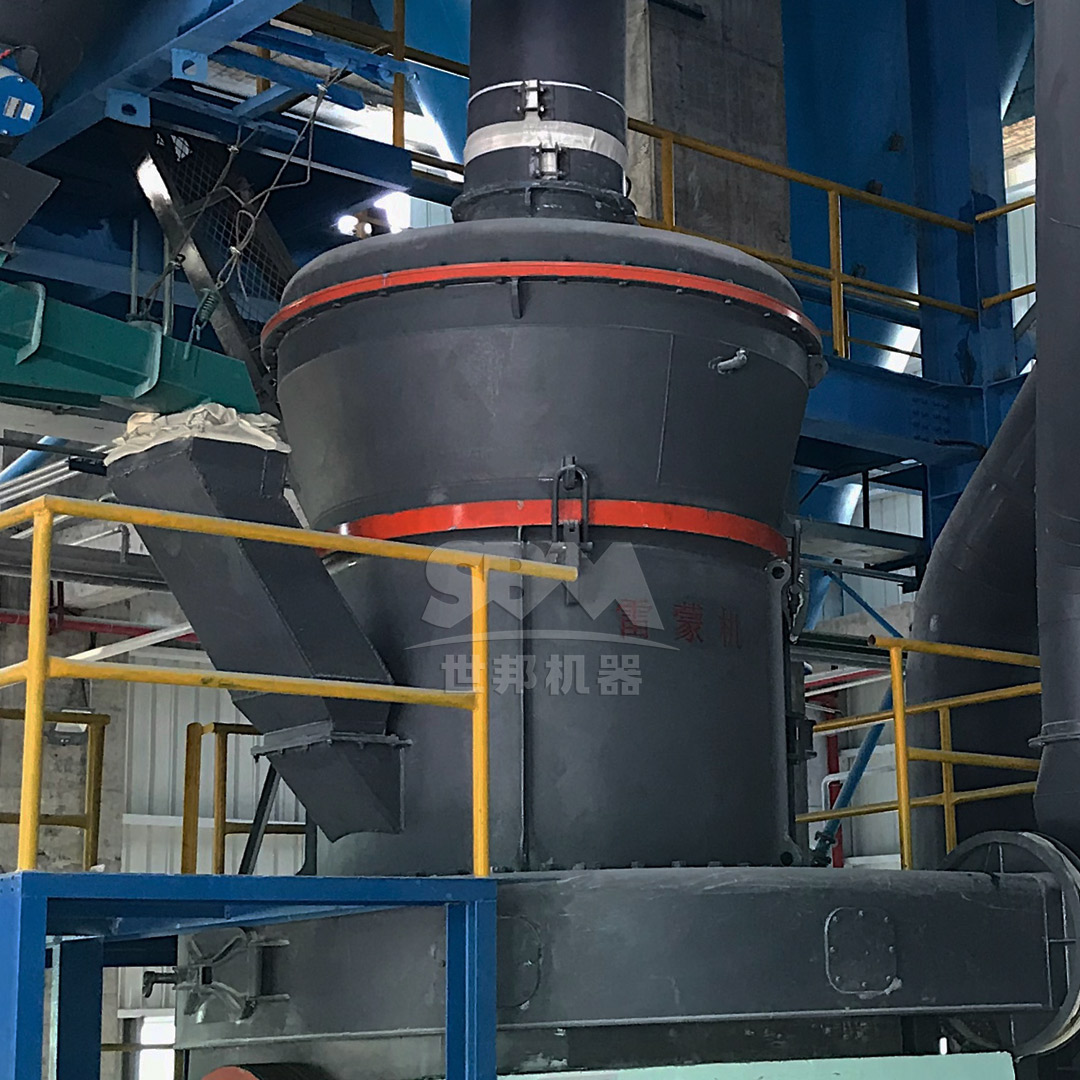
Technical Challenges in Phosphate Ore Grinding
Abrasion and Wear Considerations
Phosphate ore contains varying proportions of silica and other abrasive minerals that accelerate wear on grinding components. Equipment selection must account for this abrasiveness through specialized materials and designs that extend operational life. The presence of clay minerals also introduces challenges related to material handling and grinding efficiency, particularly when moisture content fluctuates.
Particle Size Distribution Requirements
Different applications demand specific particle size distributions. For direct application as fertilizer, coarser grinds may be acceptable, while chemical processing often requires finer powders with tight particle size control. The ability to consistently produce target fineness between 100-325 mesh is critical for most phosphate ore applications, with some specialized uses requiring ultra-fine grinding below 10 microns.
Energy Consumption Optimization
Grinding operations typically account for 30-60% of total energy consumption in mineral processing plants. With rising energy costs and environmental regulations, selecting energy-efficient equipment becomes increasingly important. Advanced milling technologies can reduce specific energy consumption by 20-40% compared to conventional solutions while maintaining or improving throughput.
Advanced Grinding Solutions for Phosphate Ore
MTW Series Trapezium Mill for Medium-Scale Production
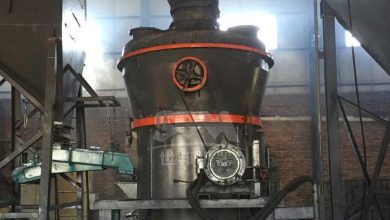
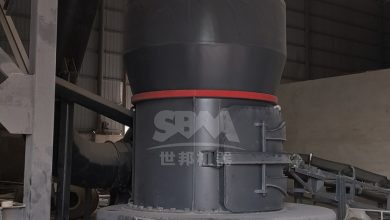
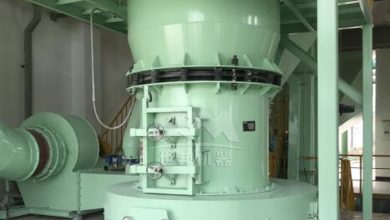
For operations requiring throughput between 3-45 tons per hour with product fineness of 30-325 mesh, the MTW Series Trapezium Mill represents an optimal solution. This European-style grinding mill incorporates several technological advancements specifically beneficial for phosphate ore processing:
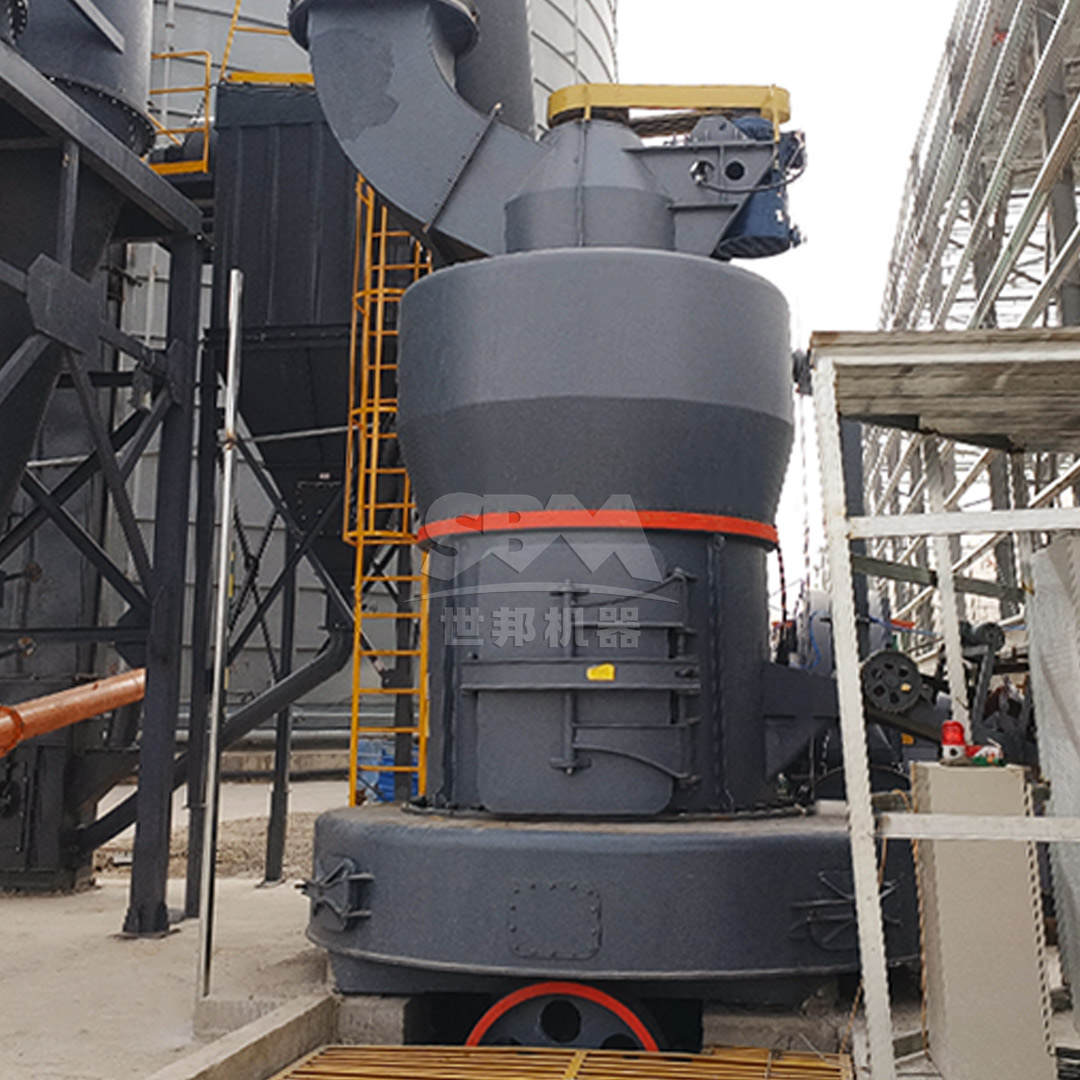
The curved air channel design reduces airflow resistance and improves transmission efficiency, while the wear-resistant volute structure maintains performance over extended operation. The integrated cone gear transmission achieves 98% efficiency, significantly reducing power consumption compared to conventional designs. For phosphate ore applications, the combination of these features results in 15-30% lower energy consumption per ton compared to traditional Raymond mills.
The anti-abrasion shovel blade design is particularly advantageous for processing phosphate ore with high silica content, as it minimizes maintenance requirements and extends component life. The modular design allows quick replacement of wear parts, reducing downtime during maintenance operations.
SCM Ultrafine Mill for High-Value Applications
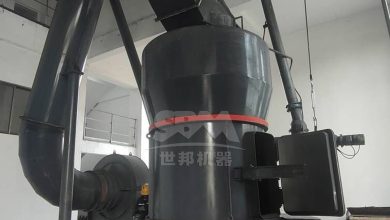
When processing phosphate ore for specialized applications requiring ultra-fine products between 325-2500 mesh (45-5μm), the SCM Ultrafine Mill delivers exceptional performance. This advanced grinding system combines high efficiency with precise particle size control, making it ideal for producing high-value phosphate powders for industrial applications.
The vertical turbo classifier ensures accurate particle size切割 with no coarse powder contamination, delivering consistently uniform product quality. With capacity reaching 25 tons per hour in the largest model (SCM1680), this mill provides substantial production capability for ultra-fine phosphate powders. The intelligent control system automatically monitors and adjusts operational parameters to maintain target fineness, reducing operator intervention and ensuring product consistency.
For phosphate processors targeting specialty markets, the SCM Ultrafine Mill offers distinct advantages in product quality and operational efficiency. The special material rollers and grinding rings provide extended service life when processing abrasive phosphate ores, while the pulse dust collection system maintains environmental compliance with efficiency exceeding international standards.
Complete Production Line Configuration
System Integration and Optimization
A complete phosphate ore grinding production line typically includes crushing, grinding, classification, and collection components. Proper system integration ensures optimal performance and minimizes operational issues. The selection of auxiliary equipment should complement the main grinding mill’s characteristics to create a cohesive system that maximizes efficiency.
For initial size reduction, hammer crushers can process run-of-mine phosphate ore to the required feed size for grinding mills. Pre-screening removes oversize material and improves overall system efficiency. Proper feeding systems ensure consistent material flow to the grinding mill, preventing overload conditions and maintaining stable operation.
Dust Collection and Environmental Protection
Modern phosphate ore processing must address environmental considerations, particularly dust emissions. Advanced pulse-jet baghouse collectors with efficiency exceeding 99.9% effectively control particulate emissions to meet stringent regulatory requirements. Sound enclosure designs reduce noise pollution to below 75 dB, creating better working conditions and minimizing community impact.
Operational Best Practices
Maintenance Strategies for Extended Equipment Life
Proactive maintenance significantly impacts equipment availability and operating costs. Regular inspection of wear components allows planned replacement during scheduled downtime, preventing unplanned production interruptions. For phosphate ore applications, establishing component life expectations based on ore characteristics enables optimized maintenance scheduling.
Lubrication systems require particular attention in abrasive environments. The MTW Series Trapezium Mill’s internal oil lubrication system provides consistent protection for grinding components, while centralized grease systems simplify routine maintenance. Monitoring bearing temperatures and vibration levels helps identify potential issues before they cause major failures.
Process Optimization Techniques
Optimizing grinding parameters for specific phosphate ore characteristics improves efficiency and product quality. Adjusting classifier speed, air volume, and grinding pressure based on feed material properties ensures optimal performance across varying conditions. Advanced control systems can automate these adjustments, maintaining target performance despite fluctuations in ore characteristics.
Regular particle size analysis provides feedback for process adjustment and early detection of equipment issues. Modern online particle size monitors enable real-time optimization, while laboratory analysis validates performance and identifies trends over time. Establishing comprehensive quality control procedures ensures consistent product quality and identifies opportunities for process improvement.
Economic Considerations
Capital and Operating Cost Analysis
Equipment selection requires careful evaluation of both capital investment and long-term operating costs. While advanced grinding technologies may involve higher initial investment, their superior efficiency often delivers faster return on investment through reduced energy consumption, lower maintenance requirements, and higher product quality.
For medium-scale phosphate ore processing operations with production requirements between 10-25 tons per hour, the MTW Series Trapezium Mill typically achieves payback within 12-24 months through energy savings and reduced maintenance compared to conventional technology. The modular design also reduces installation costs and time, further improving economic performance.
Return on Investment Calculation
Comprehensive ROI analysis should account for all relevant factors including equipment cost, installation expenses, energy consumption, maintenance requirements, spare parts consumption, and product quality improvements. For many phosphate processors, the enhanced product quality achievable with advanced grinding technology creates additional value through premium pricing or expanded market opportunities.
The SCM Ultrafine Mill enables entry into high-value markets for ultra-fine phosphate powders, potentially doubling or tripling product value compared to standard grades. This value creation should be incorporated into investment decisions, as it may justify the higher capital cost of advanced grinding technology.
Conclusion
Selecting the appropriate grinding technology is critical for successful phosphate ore processing operations. The MTW Series Trapezium Mill and SCM Ultrafine Mill represent advanced solutions tailored to different production requirements and product specifications. By understanding the technical capabilities of these systems and implementing operational best practices, phosphate processors can optimize performance, reduce operating costs, and maximize product value.
As market demands evolve and environmental regulations tighten, investing in advanced grinding technology becomes increasingly important for maintaining competitive advantage. The comprehensive approach outlined in this guide provides a framework for evaluating options and selecting equipment that delivers long-term value for phosphate ore processing operations.