Process and Case Study of Preparing Cementitious Materials from Red Mud
Introduction
Red mud, a by-product generated during the Bayer process of alumina production, poses significant environmental challenges due to its high alkalinity and substantial global output. With approximately 150 million tons produced annually worldwide, the development of sustainable utilization methods for red mud has become increasingly important. This article explores the comprehensive process of transforming red mud into valuable cementitious materials, highlighting key technological approaches and presenting a detailed case study of successful industrial implementation.
Chemical and Physical Characteristics of Red Mud
Red mud typically contains 40-50% Fe2O3, 10-20% Al2O3, 5-15% SiO2, 3-8% TiO2, and 4-10% CaO, along with residual sodium compounds that contribute to its high pH (10.5-12.5). The particle size distribution generally ranges from 1-100 μm, with specific surface area between 15-35 m2/g. These characteristics make red mud potentially suitable for cementitious applications after proper treatment and processing.
Pretreatment and Activation Processes
3.1 Dealkalization Treatment
The high alkali content in red mud must be reduced to prevent detrimental effects on cement hydration and long-term durability. Common dealkalization methods include:
- Water Washing: Multiple-stage counter-current washing can remove up to 70-80% of soluble alkalis
- Carbonation: Treatment with CO2-rich flue gases converts soluble sodium compounds to insoluble carbonates
- Acid Neutralization: Controlled addition of hydrochloric or sulfuric acid to achieve pH 7-9
- Thermal Treatment: Calcination at 600-800°C to convert sodium compounds to insoluble phases
3.2 Mechanical Activation
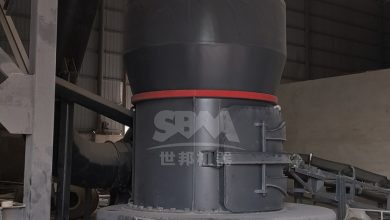
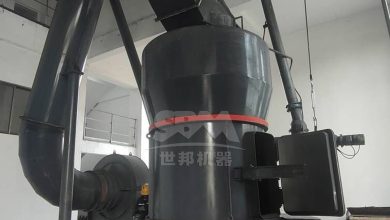
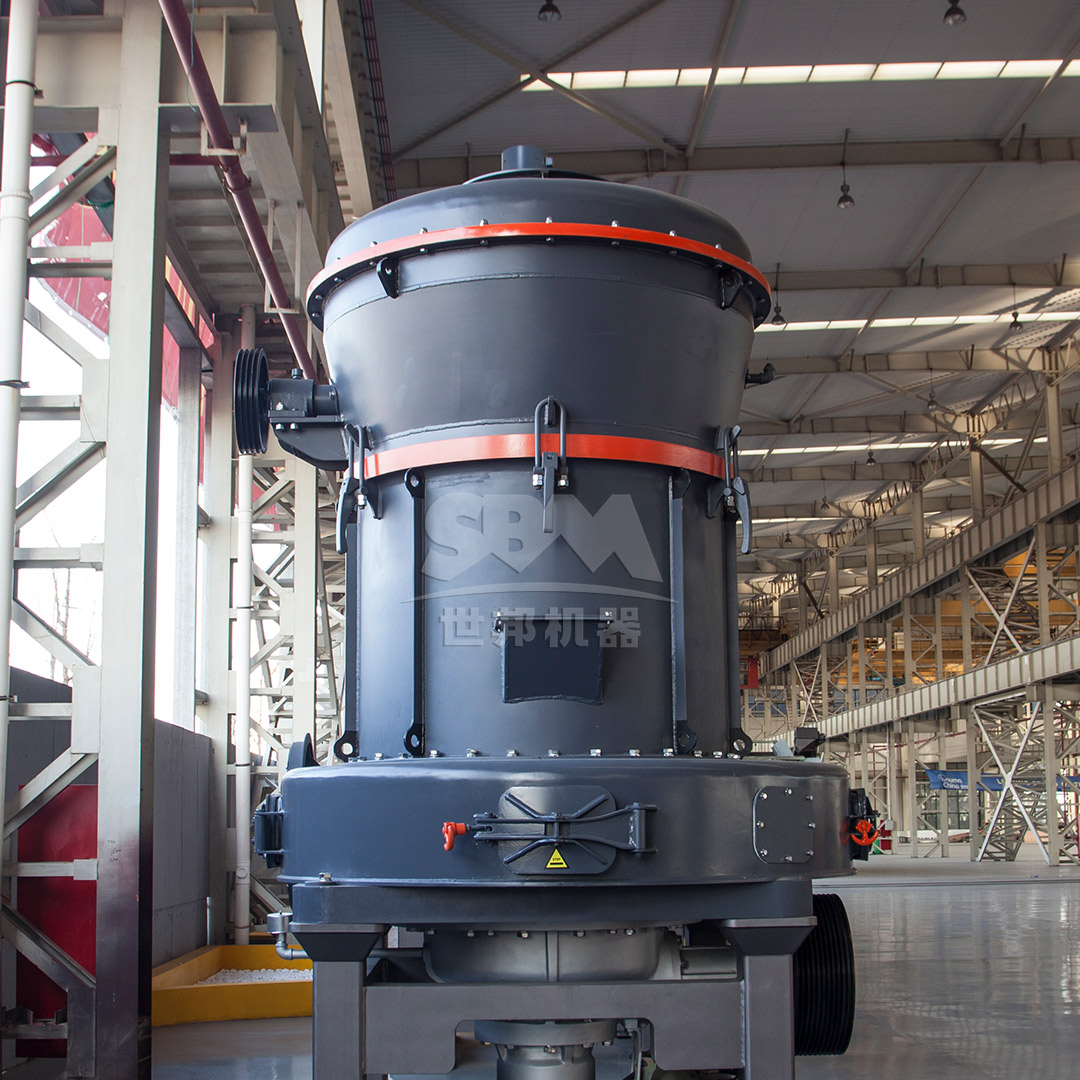
Fine grinding significantly enhances the pozzolanic activity of red mud by increasing specific surface area and disrupting crystalline structures. The optimal fineness for cementitious applications typically ranges between 400-600 m2/kg Blaine. For this purpose, our SCM Series Ultrafine Mill demonstrates exceptional performance in processing red mud to the required fineness. With output fineness adjustable between 325-2500 mesh (D97≤5μm) and processing capacity of 0.5-25 tons/hour depending on model selection, this equipment offers the precision necessary for optimal mechanical activation.
The SCM Ultrafine Mill’s vertical turbine classifier ensures precise particle size distribution control, while its energy-efficient design reduces power consumption by 30% compared to conventional jet mills. The special material composition of grinding rollers and rings provides extended service life, making it particularly suitable for the abrasive nature of red mud.
Preparation of Red Mud-Based Cementitious Materials
4.1 Raw Material Proportioning
Successful formulation of red mud-based cementitious materials requires careful balancing of chemical components. Typical formulations include:
| Component | Percentage Range | Function |
|---|---|---|
| Dealkalized Red Mud | 20-40% | Provides aluminosilicate framework |
| Portland Cement Clinker | 40-60% | Primary hydraulic component |
| Gypsum | 3-5% | Regulates setting time |
| Supplementary Materials | 5-15% | Enhances specific properties |
4.2 Grinding and Blending Process
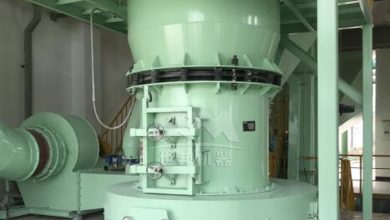
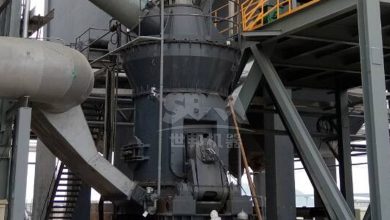
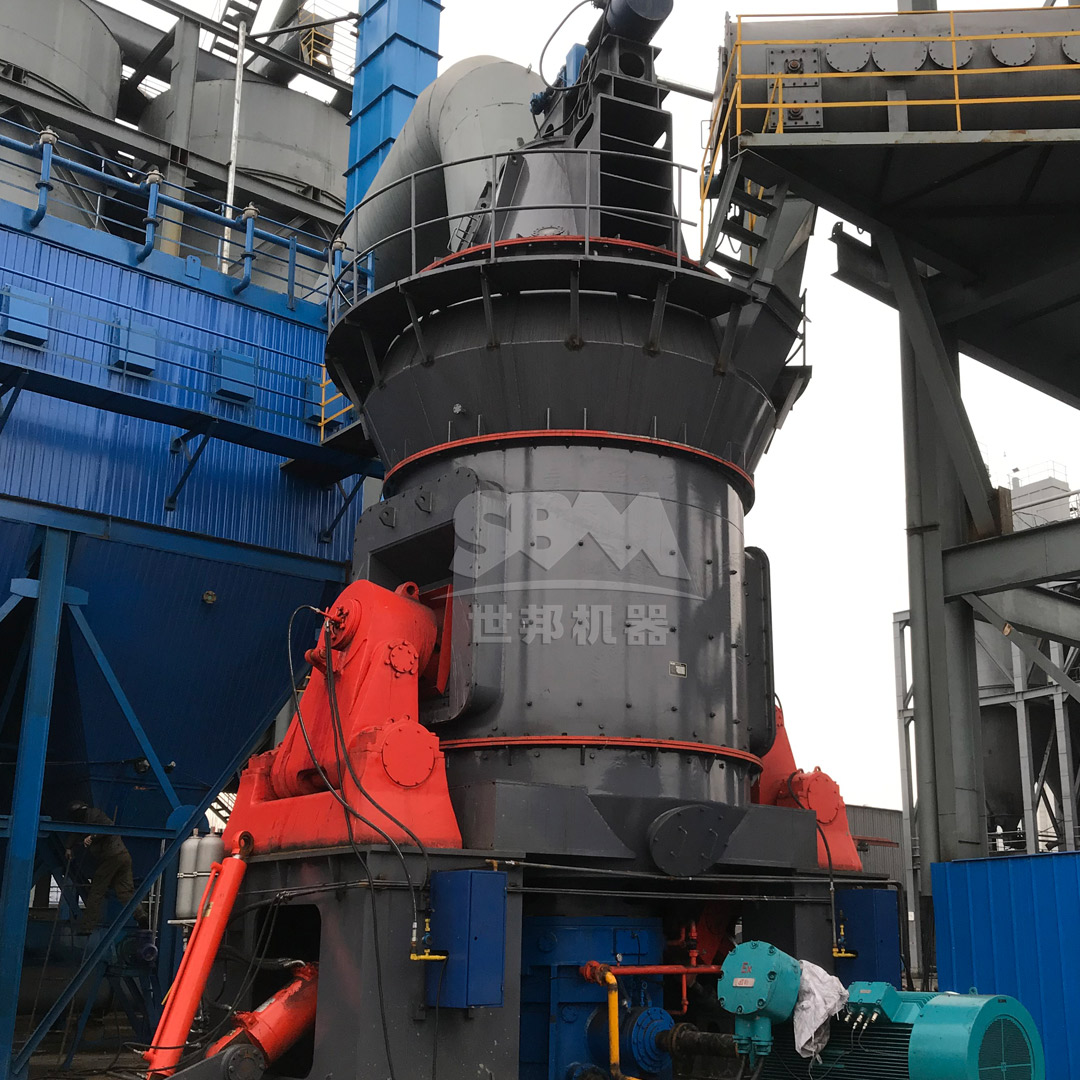
The intergrinding of red mud with other cement components requires specialized equipment capable of handling materials with varying hardness and moisture content. For large-scale production, our LM Series Vertical Roller Mill offers significant advantages. With processing capacity ranging from 3-250 tons/hour and output fineness adjustable between 30-325 mesh, this equipment provides the versatility needed for red mud cement production.
The LM Series features an integrated crushing/grinding/classification system that reduces footprint by 50% and lowers energy consumption by 30-40% compared to ball mill systems. Its intelligent control system enables real-time monitoring of operational parameters, ensuring consistent product quality. The completely sealed negative pressure operation maintains dust emissions below 20mg/m3, addressing environmental concerns associated with red mud processing.
Case Study: Industrial Implementation
5.1 Project Overview
A comprehensive red mud utilization project was implemented at a major alumina refinery in Shandong Province, China, with an annual processing capacity of 300,000 tons of red mud. The project aimed to produce high-quality cementitious materials meeting GB 175-2007 standards for common Portland cement.
5.2 Process Flow and Equipment Selection
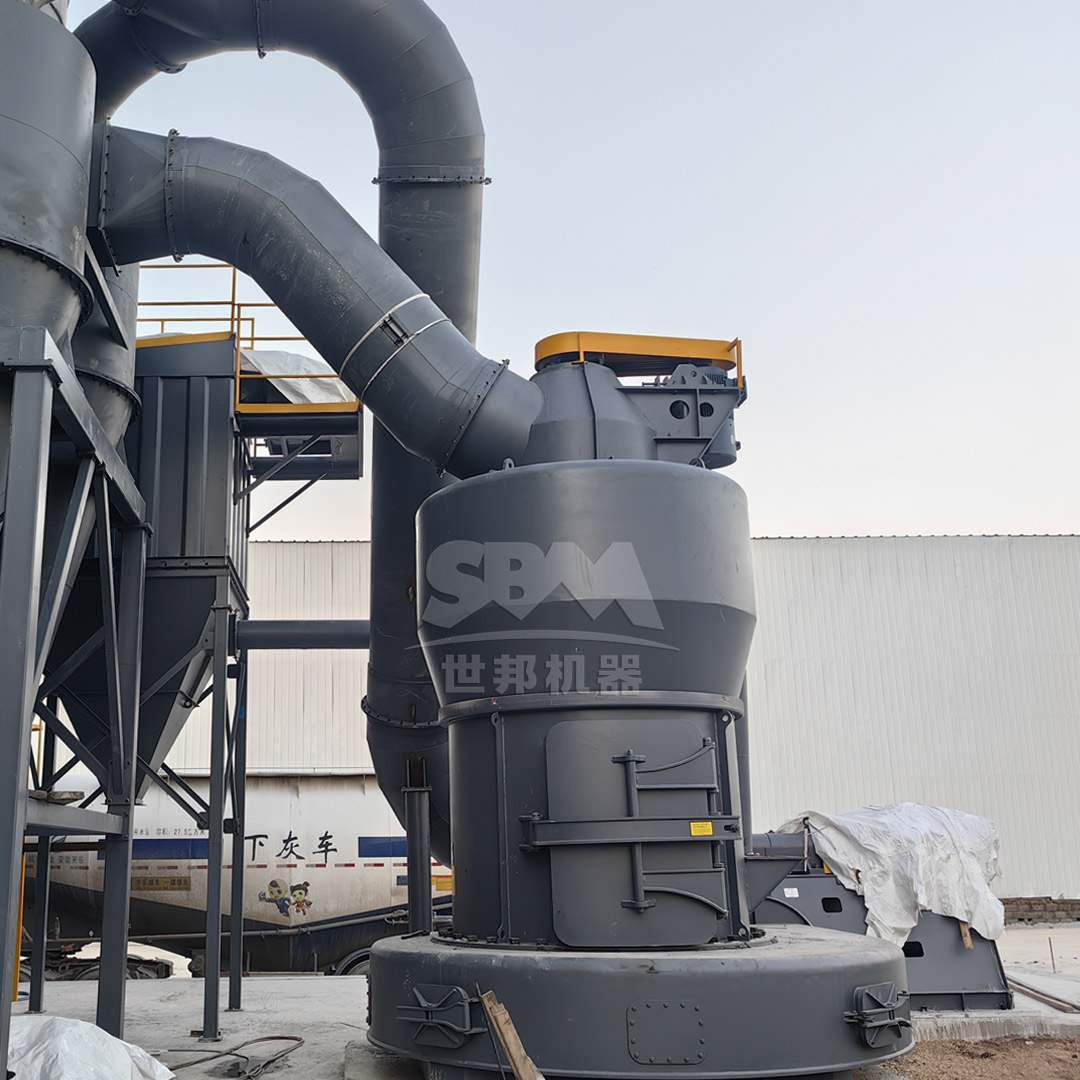
The implemented process included dealkalization through carbonation, followed by drying and grinding. The project utilized two SCM1250 Ultrafine Mills for the initial red mud activation, achieving a target fineness of 450 m2/kg Blaine. The final cement production employed one LM220K Vertical Roller Mill with a capacity of 36-105 tons/hour.
5.3 Performance Results
The produced red mud cement demonstrated excellent performance characteristics:
- Compressive Strength: 28.5 MPa at 3 days, 48.2 MPa at 28 days
- Setting Time: Initial setting 145 minutes, final setting 225 minutes
- Soundness: Expansion of 1.2 mm (qualified)
- Durability: 92% strength retention after 180 days of sulfate exposure
The project achieved 85% utilization of red mud in cement production, reducing landfill requirements by 255,000 tons annually and generating economic benefits of approximately $12 million per year.
Quality Control and Performance Evaluation
6.1 Key Quality Parameters
Regular monitoring of chemical composition, fineness, setting time, and strength development is essential. Special attention should be paid to alkali content (Na2Oeq < 0.6%) and heavy metal concentrations to ensure environmental compliance.
6.2 Microstructural Analysis
SEM and XRD analyses of hydration products revealed well-developed C-S-H gels and ettringite formation, confirming the effective participation of red mud in hydration reactions. The pozzolanic reaction between red mud and calcium hydroxide continued beyond 28 days, contributing to long-term strength development.
Environmental and Economic Benefits
The utilization of red mud in cement production offers substantial environmental advantages, including reduced landfill requirements, decreased CO2 emissions compared to conventional cement production, and conservation of natural resources. Economic benefits stem from reduced raw material costs, waste disposal cost savings, and potential carbon credits. Life cycle assessment indicates a 15-20% reduction in overall environmental impact compared to traditional cement manufacturing.
Conclusion
The preparation of cementitious materials from red mud represents a viable and sustainable approach to addressing the environmental challenges associated with alumina production. Through proper pretreatment, mechanical activation using advanced grinding equipment like the SCM Ultrafine Mill and LM Vertical Roller Mill, and optimized formulation, high-quality cement products can be successfully manufactured. The case study demonstrates that large-scale industrial implementation is technically feasible and economically attractive, providing a model for similar applications worldwide. Continued research and development in this field will further enhance the efficiency and applicability of red mud utilization in construction materials.