How to Use Diabase Grinding Mill Equipment Efficiently
Introduction to Diabase Grinding
Diabase, also known as dolerite, is a mafic, holocrystalline, subvolcanic rock equivalent to volcanic basalt or plutonic gabbro. Its hardness and abrasive nature make it challenging to process efficiently. Proper grinding of diabase requires specialized equipment and optimized operational practices to achieve desired particle sizes while maintaining cost-effectiveness and equipment longevity.
Diabase grinding applications span across construction aggregates, railway ballast, and mineral filler production. The efficiency of your grinding operation directly impacts production costs, product quality, and overall profitability. This comprehensive guide explores best practices for maximizing diabase grinding efficiency through proper equipment selection, operational optimization, and maintenance strategies.
Understanding Diabase Properties and Grinding Challenges
Diabase typically contains plagioclase feldspar, pyroxene, and sometimes olivine, giving it a Mohs hardness of 6-7 and high compressive strength ranging from 200-300 MPa. These physical properties present specific grinding challenges:
- Abrasive Wear: The high quartz content in some diabase varieties causes rapid wear of grinding components
- Energy Consumption: Hardness requires significant energy input for size reduction
- Heat Generation: Friction during grinding generates heat that can affect material properties and equipment
- Dust Control: Fine diabase particles pose respiratory hazards and require effective containment
Understanding these challenges is crucial for selecting appropriate grinding equipment and developing efficient operational protocols.
Equipment Selection for Diabase Grinding
Choosing the right grinding equipment for diabase processing depends on your target particle size, production capacity requirements, and budget constraints. Different mill types offer varying advantages for specific applications.
Ultrafine Grinding Applications (325-2500 mesh)
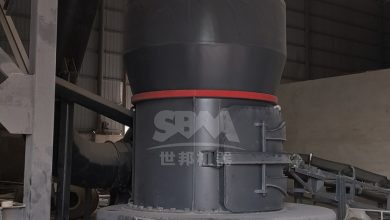
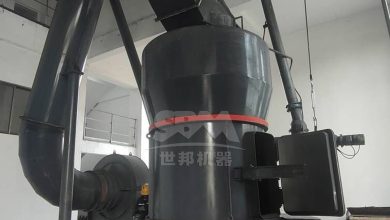
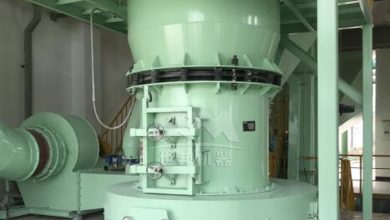
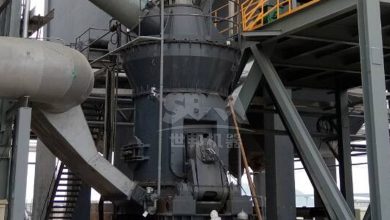
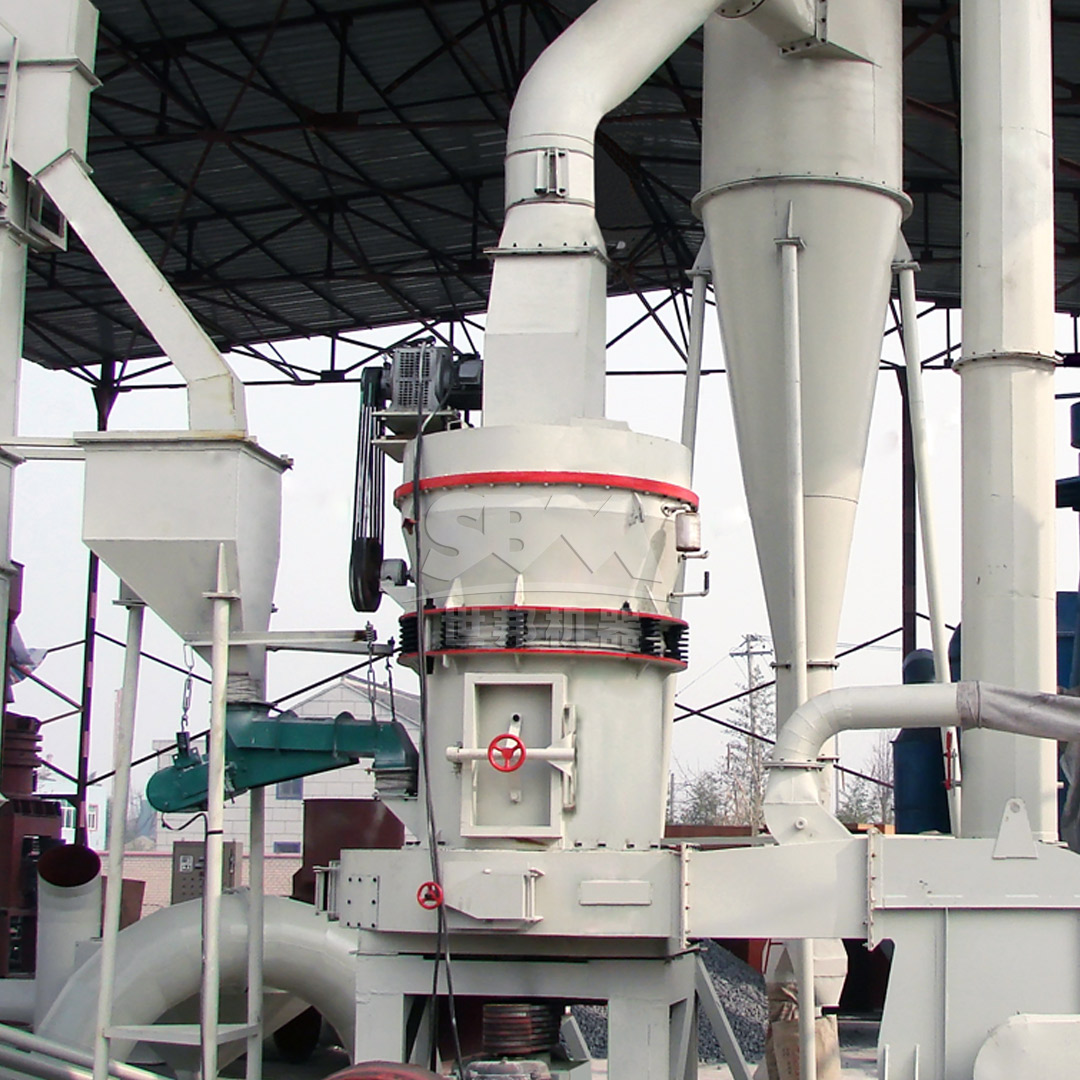
For applications requiring extremely fine diabase powders, such as high-performance mineral fillers or specialized industrial applications, ultrafine grinding mills deliver superior performance. Our SCM Ultrafine Mill series represents the pinnacle of fine grinding technology for diabase processing.
The SCM Ultrafine Mill achieves remarkable fineness levels of 325-2500 mesh (D97≤5μm) while maintaining impressive throughput of 0.5-25 tons per hour depending on the model. Its technological advantages include:
- High Efficiency & Energy Savings: 30% lower energy consumption compared to jet mills with double the capacity
- Precision Classification: Vertical turbine classifiers ensure accurate particle size cuts without coarse powder contamination
- Durable Construction: Specially hardened roller and grinding ring materials extend service life significantly
- Environmental Compliance: Pulse dust collection exceeding international standards with noise levels below 75dB
The working principle involves main motor-driven multi-layer grinding rings creating centrifugal force that distributes material through grinding channels, with progressive crushing through roller compression, culminating in powder collection via cyclone separators and pulse dust removal systems.
Medium to Coarse Grinding Applications (30-325 mesh)
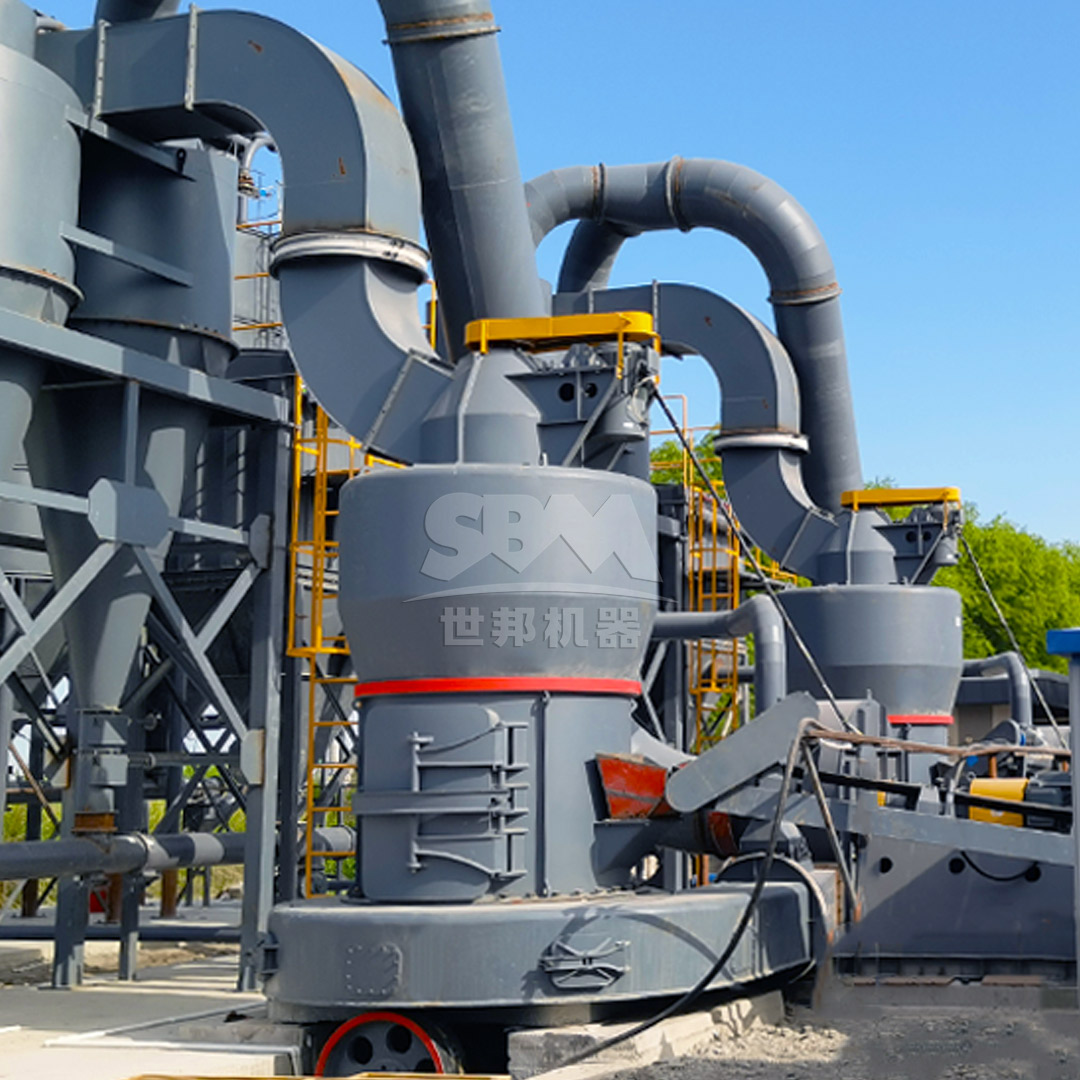
For most construction and industrial applications requiring medium to coarse diabase powders, the MTW Series Trapezium Mill offers an optimal balance of performance, efficiency, and operating costs.
The MTW Series handles input sizes up to 50mm and delivers output fineness from 30-325 mesh (up to 0.038mm) with capacities ranging from 3-45 tons per hour. Key technological advantages include:
- Anti-wear Shovel Design: Combined shovel blades reduce maintenance costs with curved design extending roller life
- Optimized Air Duct: Curved air channels minimize energy loss with high-strength protective plates
- Integrated Bevel Gear Transmission: 98% transmission efficiency with space-saving design
- Wear-resistant Volute Structure: Non-clogging design improves air classification efficiency
With models ranging from MTW110 (3-9 t/h) to MRN218 (15-45 t/h), the MTW Series provides scalable solutions for various production requirements while incorporating proprietary technologies including independent intellectual property designs, internal oil lubrication systems, and advanced pulse dust removal technology.
Optimal Operational Practices for Diabase Grinding
Maximizing grinding efficiency requires more than just selecting the right equipment. Proper operational techniques significantly impact throughput, product quality, and operating costs.
Feed Preparation and Optimization
Proper feed preparation is crucial for efficient diabase grinding:
- Pre-crushing: Reduce diabase to appropriate mill feed size (typically ≤20mm for fine grinding, ≤50mm for coarse grinding)
- Moisture Control: Maintain optimal moisture content (typically below 2-3%) to prevent clogging and maintain grinding efficiency
- Feed Rate Consistency: Use precision feeders to maintain consistent feed rates appropriate for your mill capacity
- Metal Contamination Prevention: Install and maintain effective tramp metal removal systems to protect grinding components
Grinding Parameter Optimization
Fine-tuning grinding parameters can dramatically improve efficiency:
- Classifier Speed: Adjust classifier rotation speed to match target particle size distribution
- Grinding Pressure: Optimize roller pressure for specific diabase characteristics
- Air Flow Rates: Balance air flow to ensure proper material transport without excessive energy consumption
- Circulation Load Management: Maintain optimal circulation rates to maximize grinding efficiency
Maintenance Strategies for Diabase Grinding Equipment
The abrasive nature of diabase necessitates rigorous maintenance protocols to ensure equipment longevity and consistent performance.
Wear Part Management
Implement systematic wear part monitoring and replacement schedules:
- Regular Inspection: Schedule weekly inspections of grinding rollers, rings, and liners
- Wear Measurement: Establish baseline measurements and track wear progression
- Component Rotation: Rotate reversible components to extend service life
- Inventory Management: Maintain critical spare parts inventory to minimize downtime
Preventive Maintenance Program
Develop comprehensive preventive maintenance schedules:
- Lubrication System Maintenance: Regular oil analysis and filter replacement
- Alignment Checks: Quarterly verification of drive system alignment
- Vibration Monitoring: Implement continuous vibration monitoring to detect developing issues
- Electrical System Inspection: Regular inspection of motors, drives, and control systems

Energy Efficiency Optimization
Grinding operations typically account for a significant portion of total energy consumption in mineral processing plants. Implementing energy efficiency measures can substantially reduce operating costs.
Process Optimization for Energy Savings
- Optimal Particle Size Target: Avoid over-grinding by establishing the coarsest acceptable product size
- Circulation Load Optimization: Balance fresh feed and circulating load to minimize specific energy consumption
- Classifier Efficiency: Ensure classifiers operate at peak efficiency to prevent regrinding of finished product
- Variable Speed Drives: Implement VSDs on appropriate equipment to match power consumption to processing requirements
Heat Recovery Systems
Consider implementing heat recovery systems to capture and reuse waste heat from grinding operations, particularly for downstream drying processes or facility heating.
Dust Control and Environmental Compliance
Effective dust control is essential for diabase grinding operations to protect worker health, maintain equipment performance, and ensure regulatory compliance.
Dust Collection System Optimization
- Proper Sizing: Ensure dust collection capacity matches mill output and air volume requirements
- Filter Media Selection: Choose appropriate filter media for diabase dust characteristics
- Pulse Cleaning Optimization: Adjust pulse frequency and duration for optimal filter cleaning without excessive compressed air consumption
- Ductwork Design: Minimize horizontal runs and incorporate adequate access points for inspection and cleaning
Advanced Process Control and Automation
Modern grinding systems offer sophisticated control options to optimize performance and reduce operator intervention.
Control System Implementation
- PLC-Based Control: Implement programmable logic controllers for automated operation and monitoring
- Particle Size Monitoring: Consider online particle size analyzers for real-time product quality control
- Expert Systems: Utilize advanced control algorithms that automatically adjust operating parameters based on feed characteristics and product requirements
- Remote Monitoring: Implement systems that enable remote equipment monitoring and troubleshooting
Troubleshooting Common Diabase Grinding Issues
Even with optimal equipment and practices, issues can arise. Prompt identification and resolution minimize production losses.
Common Problems and Solutions
- Reduced Throughput: Check for worn grinding components, classifier issues, or feed rate inconsistencies
- Product Coarsening: Inspect classifier operation, grinding component wear, and air flow rates
- Excessive Vibration: Investigate component imbalance, bearing issues, or foundation problems
- Rising Energy Consumption: Review operating parameters, component condition, and system efficiency
Conclusion
Efficient diabase grinding requires a comprehensive approach encompassing proper equipment selection, optimized operational practices, rigorous maintenance, and advanced process control. By understanding the unique challenges posed by diabase’s physical properties and implementing the strategies outlined in this guide, operators can significantly improve grinding efficiency, reduce operating costs, and extend equipment service life.
The selection of appropriate grinding technology forms the foundation of an efficient operation. For ultrafine applications requiring 325-2500 mesh products, our SCM Ultrafine Mill series delivers unparalleled performance with its advanced classification system and energy-efficient design. For medium to coarse grinding needs in the 30-325 mesh range, the MTW Series Trapezium Mill provides robust, high-capacity processing with exceptional reliability and lower operating costs.
Successful diabase grinding operations combine the right equipment with knowledgeable operators, systematic maintenance, and continuous process improvement to achieve optimal results in this challenging application.