How to Choose the Right Manganese Dioxide Grinding Mill: A Guide Based on Application, Particle Size Needs, and Grinding Process
Introduction
Manganese dioxide (MnO₂) is a critical industrial mineral with diverse applications ranging from battery manufacturing and water treatment to chemical synthesis and ceramics. The performance of manganese dioxide in these applications is heavily dependent on its particle size distribution, purity, and morphological characteristics. Selecting the appropriate grinding mill is therefore essential for optimizing product quality, production efficiency, and operational costs. This comprehensive guide examines the key factors to consider when choosing a manganese dioxide grinding mill, with specific recommendations based on application requirements, target particle sizes, and grinding processes.
Understanding Manganese Dioxide Properties and Grinding Challenges
Manganese dioxide exists in several crystalline forms, with pyrolusite being the most common naturally occurring variety. The material typically exhibits moderate to high hardness (Mohs hardness of 6-7 for crystalline forms) and can be abrasive to grinding equipment. Additionally, manganese dioxide’s chemical reactivity must be considered, as excessive heat generation during grinding can lead to partial reduction or structural changes that compromise product performance.
The primary challenges in manganese dioxide grinding include:
- Abrasion resistance: The mineral’s hardness necessitates robust grinding elements with high wear resistance.
- Thermal sensitivity: Controlling grinding temperature is crucial to prevent chemical degradation.
- Dust control: Fine manganese dioxide particles pose health and environmental concerns, requiring effective dust collection systems.
- Particle shape requirements: Certain applications benefit from specific particle morphologies that different grinding mechanisms can produce.
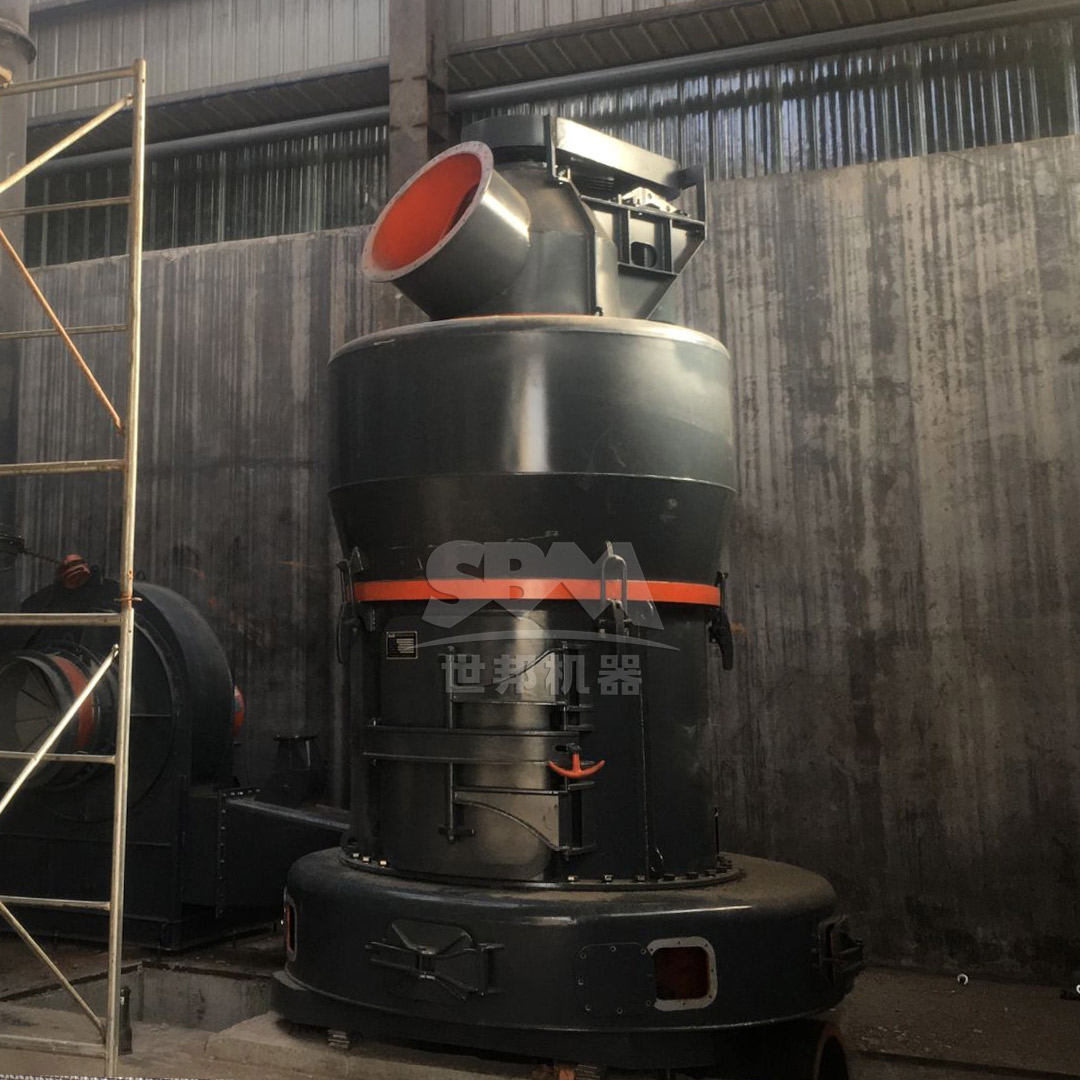
Key Selection Criteria for Manganese Dioxide Grinding Mills
Application Requirements
The intended application of the ground manganese dioxide significantly influences mill selection:
Battery Grade Manganese Dioxide: Battery applications, particularly in alkaline and zinc-carbon batteries, require extremely fine particles (typically D90 < 10μm) with high purity and specific surface area. The grinding process must avoid metallic contamination and maintain the electrochemical activity of the material.
Water Treatment Applications: For catalytic oxidation in water treatment, manganese dioxide requires controlled particle size distribution (usually between 45-150μm) to balance surface area with filtration characteristics. The grinding process should produce particles with high surface reactivity.
Ceramic and Pigment Applications: In ceramics and pigments, color consistency is paramount, requiring tight particle size control and avoidance of contamination. Fineness requirements typically range from 45-325 mesh (350-44μm).
Chemical Synthesis: As a catalyst or reagent in chemical processes, manganese dioxide may require specific surface characteristics that different grinding mechanisms can impart.
Particle Size Requirements
The target particle size distribution is perhaps the most critical factor in mill selection:
Coarse Grinding (600-150μm / 30-100 mesh): For applications requiring relatively coarse particles, such as some fertilizer additives or preliminary processing, hammer mills or jaw crushers followed by coarse grinding mills may be sufficient.
Medium Fine Grinding (150-45μm / 100-325 mesh): Many industrial applications fall within this range. Raymond mills, vertical roller mills, and trapezium mills are well-suited for these requirements.
Ultrafine Grinding (<45μm / >325 mesh): Battery-grade materials and high-performance catalysts require ultrafine grinding. Specialized equipment such as ultrafine mills, stirred media mills, or jet mills are necessary for these applications.
Submicron Grinding (<5μm): For advanced battery materials and specialized catalysts, submicron particle sizes may be required, necessitating advanced classification systems and specialized grinding mechanisms.
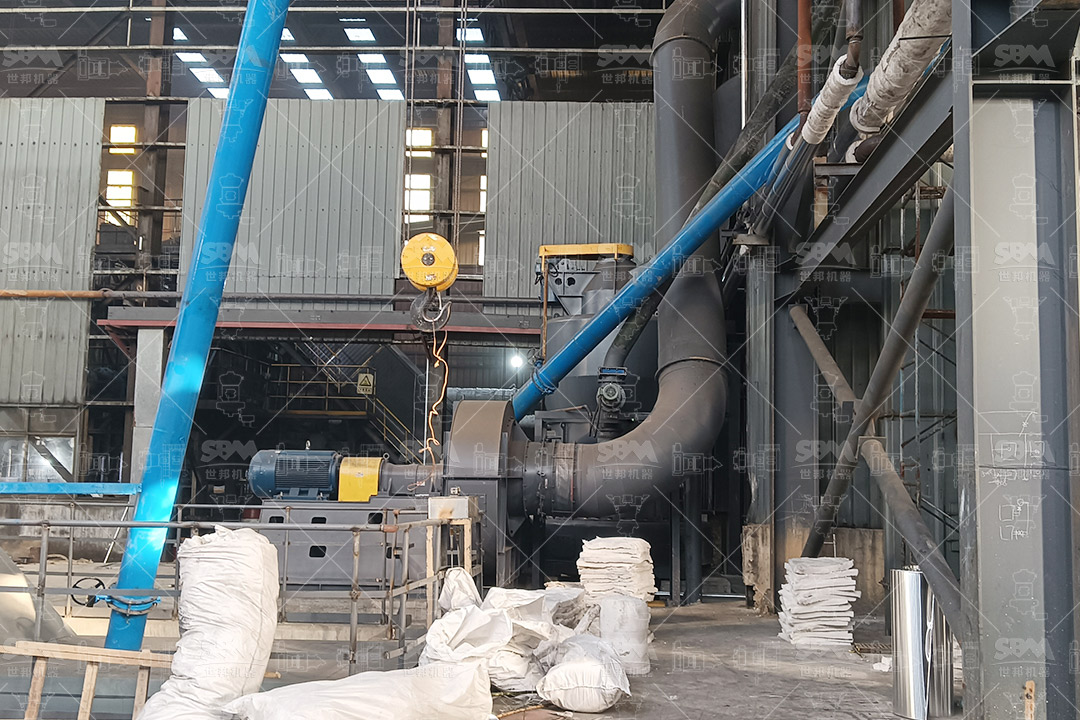
Grinding Process Considerations
The grinding mechanism itself impacts final product characteristics:
Compression Grinding: Mills that utilize compression forces (such as vertical roller mills) typically produce more equidimensional particles with lower surface area compared to impact mills.
Impact Grinding: Hammer mills and similar equipment generate particles through impact, often creating more irregular shapes with higher surface area.
Attrition Grinding: Ball mills and similar equipment use a combination of impact and attrition, which can produce a wide range of particle shapes depending on operating parameters.
Fluid Energy Grinding: Jet mills utilize particle-on-particle impact in a high-velocity gas stream, typically generating the highest surface area particles with minimal contamination.
Mill Technology Options for Manganese Dioxide
Ultrafine Grinding Mills (SCM Series)
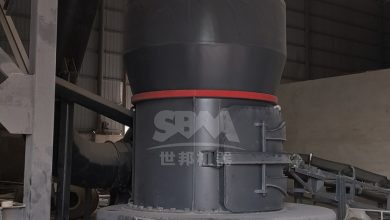
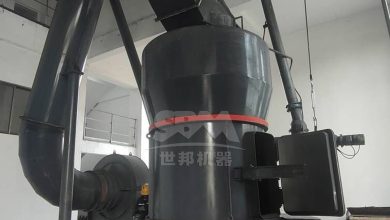
For applications requiring the finest particle sizes, such as battery-grade manganese dioxide, ultrafine grinding mills offer the necessary precision and control. Our SCM Ultrafine Mill series represents the pinnacle of fine grinding technology, specifically engineered for materials like manganese dioxide that demand submicron capabilities.
The SCM series achieves remarkable fineness levels of 325-2500 mesh (D97 ≤ 5μm) while maintaining high efficiency. Key advantages for manganese dioxide processing include:
- High-precision classification: The vertical turbine classifier ensures precise particle size cuts with no coarse powder contamination, critical for battery applications.
- Energy efficiency: With capacity twice that of jet mills and 30% lower energy consumption, the SCM series offers significant operational savings.
- Durability: Specially hardened grinding components withstand the abrasive nature of manganese dioxide, extending service life and reducing contamination risk.
- Environmental compliance: Integrated pulse dust collection exceeds international standards, while soundproofing maintains noise levels below 75dB.
With multiple models offering capacities from 0.5 to 25 tons per hour, the SCM series can be matched to specific production requirements. For battery-grade manganese dioxide production, the SCM1000 model (1.0-8.5 t/h, 132kW) often represents the optimal balance of capacity and precision.
Vertical Roller Mills (LM Series)
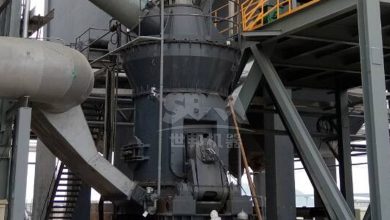
For medium to high capacity requirements with fineness down to 325 mesh, vertical roller mills offer an excellent combination of efficiency, reliability, and particle size control. Our LM Vertical Roller Mill series incorporates advanced features specifically beneficial for manganese dioxide processing:
- Integrated operation: Combining crushing, grinding, and classification in a single unit reduces footprint by 50% and lowers infrastructure costs by 40%.
- Low operating costs: The non-contact grinding roller design extends wear part life up to three times, while energy consumption is 30-40% lower than ball mill systems.
- Intelligent control: Expert automatic control systems enable remote operation and real-time parameter monitoring, reducing operator intervention.
- Environmental performance: Fully sealed negative pressure operation maintains dust emissions below 20mg/m³.
The LM series offers models with capacities from 3 to 250 tons per hour, making it suitable for both dedicated manganese dioxide processing plants and multi-mineral operations. The LM190K model (23-68 t/h, 500kW) is particularly well-suited for medium-fine manganese dioxide production for ceramic and water treatment applications.
Trapezium Mills (MTW Series)
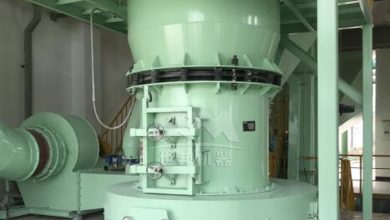
For operations requiring flexibility across a range of particle sizes with moderate capital investment, trapezium mills represent a versatile solution. Our MTW Series Trapezium Mill delivers robust performance for manganese dioxide grinding with several distinctive advantages:
- Anti-wear design: Combined shovel blades reduce maintenance costs, while curved design extends roller life.
- Optimized air flow: Curved air duct design minimizes energy loss and improves transmission efficiency.
- Efficient drive system: Bevel gear overall transmission achieves 98% efficiency with space-saving design.
- Durable housing: Wear-resistant volute structure with non-blocking design improves air classification efficiency.
With output fineness ranging from 30-325 mesh and capacities from 3-45 tons per hour, the MTW series adapts well to varying production requirements. The MTW175G model (9.5-25 t/h, 160kW) offers an excellent balance for manganese dioxide processing facilities serving multiple markets.
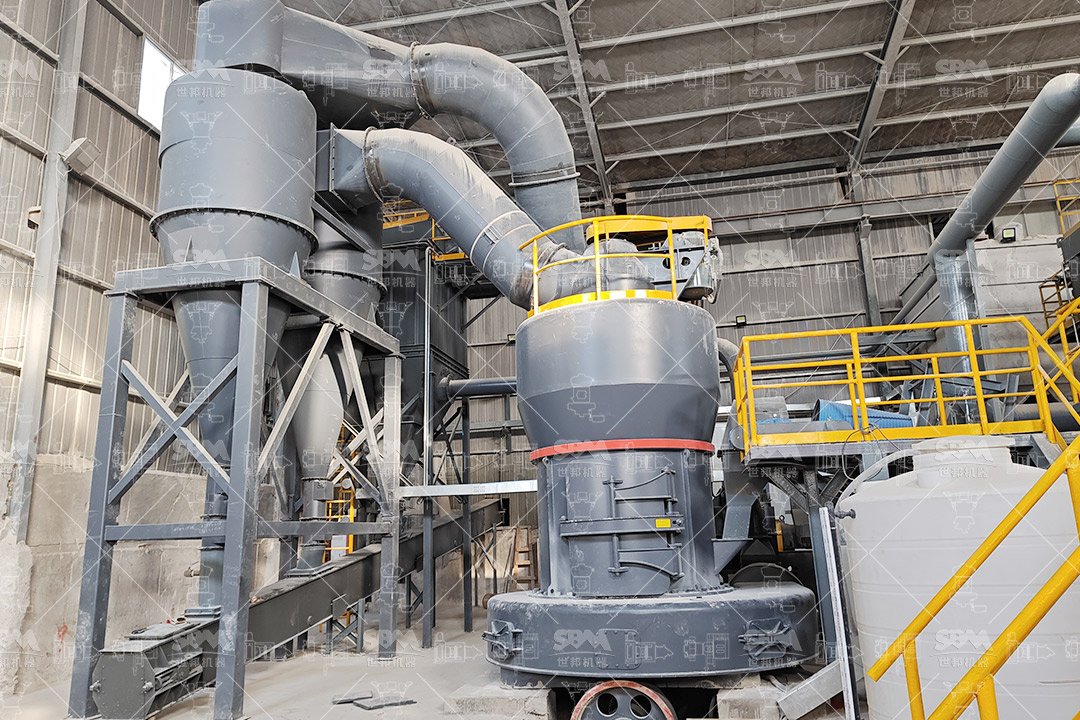
Selection Guidelines Based on Specific Requirements
For Battery-Grade Manganese Dioxide (Ultrafine)
Battery applications demand the highest quality manganese dioxide with strict particle size control. Recommended approach:
- Primary crushing to <20mm using jaw crusher
- Pre-grinding to 100-200 mesh using vertical roller mill or trapezium mill
- Final grinding to D97 < 5μm using SCM Ultrafine Mill
- Optional classification step for precise cut points
The SCM Ultrafine Mill is specifically recommended for the final grinding stage, as its precision classification system and gentle grinding action preserve the electrochemical properties of the manganese dioxide while achieving the required fineness.
For Water Treatment Applications (Medium Fine)
Water treatment catalysts require balanced particle size distribution for optimal performance:
- Primary size reduction to <50mm
- Single-stage grinding to 100-325 mesh using MTW Trapezium Mill or LM Vertical Roller Mill
- Optional air classification to remove fines if needed
The MTW Series Trapezium Mill offers an economical solution for water treatment grade manganese dioxide, with sufficient fineness control and robust construction for continuous operation.
For Ceramic and Pigment Applications (Controlled Fineness)
Color consistency demands tight particle size control with minimal contamination:
- Raw material preparation to <35mm
- Grinding to 200-325 mesh using LM Vertical Roller Mill
- Possible blending for color consistency
The LM Vertical Roller Mill is recommended for ceramic applications due to its consistent product quality, low contamination risk, and ability to maintain precise fineness control over extended operation.
Operational Considerations and Best Practices
Wear Protection and Maintenance
Given manganese dioxide’s abrasive nature, implementing comprehensive wear protection is essential:
- Select mills with easily replaceable wear parts
- Utilize high-chrome or ceramic grinding elements where appropriate
- Implement predictive maintenance programs based on operating hours and throughput
- Maintain adequate spare parts inventory to minimize downtime
Dust Control and Environmental Compliance
Effective dust collection is critical for manganese dioxide processing:
- Select mills with integrated pulse jet dust collectors
- Ensure proper hooding and ventilation at transfer points
- Implement baghouse or cartridge filtration with appropriate filter media
- Consider nitrogen inerting for ultrafine grinding applications
Energy Efficiency Optimization
Grinding operations typically represent significant energy consumption:
- Select mills with high transmission efficiency (e.g., direct drive systems)
- Implement variable frequency drives for fans and classifiers
- Optimize classifier settings to minimize overgrinding
- Consider heat recovery systems where applicable
Conclusion
Selecting the optimal grinding mill for manganese dioxide requires careful consideration of application requirements, target particle size, production capacity, and operational constraints. For ultrafine applications such as battery materials, the SCM Ultrafine Mill delivers unparalleled precision and efficiency. For medium-fine requirements in water treatment and ceramics, the MTW Trapezium Mill and LM Vertical Roller Mill offer robust, economical solutions with excellent particle size control.
By matching mill technology to specific product requirements and implementing best practices in operation and maintenance, producers can optimize both product quality and production economics. The comprehensive range of grinding technologies available ensures that suitable equipment exists for every manganese dioxide processing scenario, from small-scale specialty production to high-volume industrial operations.