Optimizing Fly Ash Properties: How Fine Grinding Enhances Performance in Concrete Applications
Introduction: The Critical Role of Fly Ash in Modern Concrete
Fly ash, a byproduct of coal combustion in thermal power plants, has become an indispensable component in modern concrete production. As a supplementary cementitious material (SCM), fly ash contributes to improved workability, enhanced durability, and reduced environmental impact of concrete structures. However, the performance benefits of fly ash are directly correlated with its physical and chemical properties, particularly particle size distribution and fineness. This article explores how fine grinding technology transforms ordinary fly ash into a high-performance concrete additive, revolutionizing construction material science.
The Science Behind Fly Ash Fineness and Concrete Performance
The effectiveness of fly ash in concrete applications depends significantly on its particle characteristics. Raw fly ash typically contains a mixture of fine spherical particles and coarser, irregularly shaped particles. The spherical particles act as miniature ball bearings, improving concrete workability and reducing water demand. However, the coarser fraction offers limited pozzolanic activity and may even negatively impact concrete strength development.
Fine grinding addresses these limitations by reducing particle size and increasing specific surface area. When fly ash particles are ground to optimal fineness, several transformative changes occur:
- Enhanced Pozzolanic Reactivity: Finer particles provide greater surface area for the pozzolanic reaction with calcium hydroxide, resulting in additional calcium silicate hydrate (C-S-H) gel formation
- Improved Particle Packing: The optimized particle size distribution fills voids between cement grains, creating a denser microstructure
- Accelerated Reaction Kinetics: Reduced particle size decreases diffusion path lengths, speeding up hydration reactions
- Superior Workability: Properly ground fly ash maintains the spherical morphology that reduces internal friction in concrete mixtures
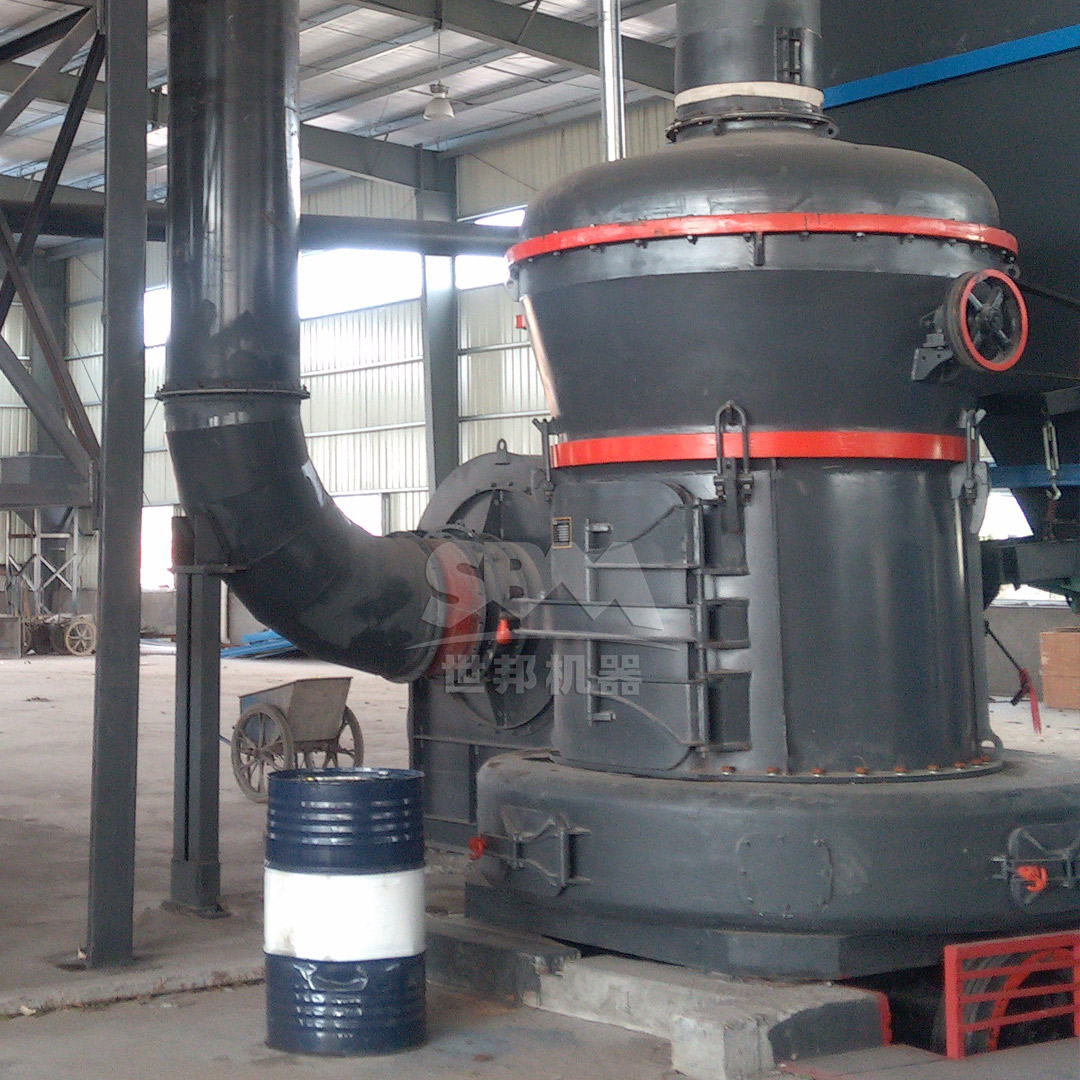
Technical Requirements for Fly Ash Grinding Systems
Effective fly ash grinding requires specialized equipment capable of achieving precise particle size control while maintaining economic viability. The ideal grinding system must balance several critical parameters:
- Particle Size Range: Optimal performance typically requires achieving D97 values between 5-45μm (325-2500 mesh)
- Energy Efficiency: Grinding processes must minimize energy consumption while maximizing throughput
- Particle Morphology Preservation: Equipment should reduce particle size without destroying the beneficial spherical shape of fly ash particles
- Consistent Product Quality: Stable operation with minimal variation in output characteristics
- Environmental Compliance: Dust control and noise reduction to meet regulatory standards
Advanced Grinding Solutions for Fly Ash Processing
Traditional ball mills have been largely superseded by more efficient grinding technologies that offer superior control over particle size distribution and lower specific energy consumption. Among the most effective solutions for fly ash processing are ultrafine grinding mills specifically engineered for mineral applications.
SCM Series Ultrafine Mill: Precision Grinding for Maximum Performance
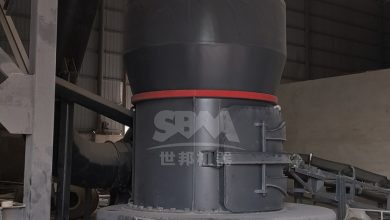
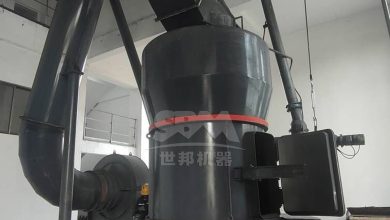
For operations requiring the finest particle sizes and highest pozzolanic activity, the SCM Series Ultrafine Mill represents the cutting edge in fly ash processing technology. This system is specifically engineered to produce fly ash with D97 values as fine as 5μm (2500 mesh), unlocking the full potential of fly ash as a high-performance concrete additive.
The SCM Ultrafine Mill incorporates several technological innovations that make it ideally suited for fly ash applications:
- High-Efficiency Grinding Mechanism: The three-layer grinding ring and roller system applies progressive compression forces, gradually reducing particle size while preserving spherical morphology
- Precision Classification: Integrated vertical turbine classifiers ensure precise particle size cuts with no coarse particle contamination
- Energy Optimization: Advanced design delivers twice the capacity of jet mills with 30% lower energy consumption
- Durability Engineering: Specialized wear-resistant materials for grinding components extend service life significantly
With models ranging from the SCM800 (0.5-4.5 ton/h capacity) to the industrial-scale SCM1680 (5.0-25 ton/h capacity), this system can be tailored to operations of any size. The ability to precisely control output fineness between 325-2500 mesh makes the SCM Series particularly valuable for producing specialty fly ash products for high-performance concrete applications where maximum pozzolanic reactivity is required.
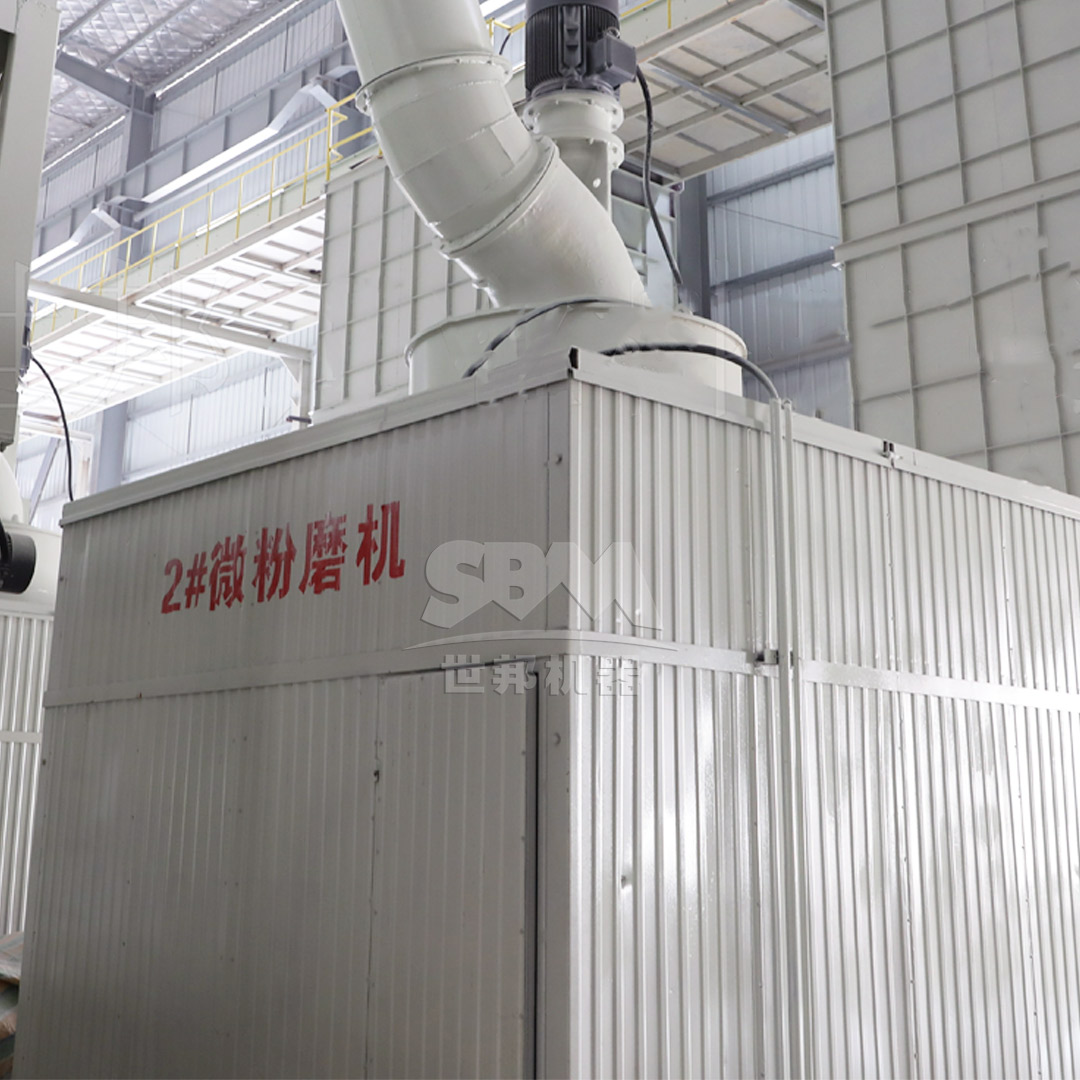
MTW Series Trapezium Mill: Balanced Performance for General Applications
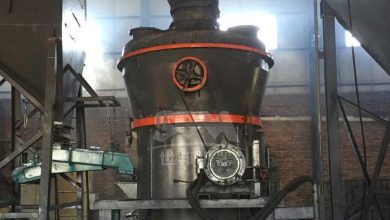
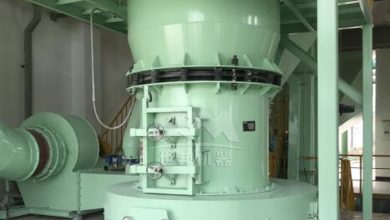
For operations requiring high-volume processing with output fineness in the 30-325 mesh range, the MTW Series Trapezium Mill offers an optimal balance of performance, efficiency, and operational economy. This system is particularly well-suited for producing quality fly ash for general concrete applications where moderate fineness provides sufficient performance enhancement.
Key advantages of the MTW Series for fly ash processing include:
- Advanced Wear Protection: Curved shovel blade design and wear-resistant grinding components reduce maintenance requirements
- Optimized Airflow: Specially designed arc air channel minimizes resistance and improves transmission efficiency
- High Transmission Efficiency: Integral bevel gear transmission achieves 98% efficiency with compact footprint
- Scalable Capacity: Models from MTW110 (3-9 ton/h) to MTW215G (15-45 ton/h) accommodate various production requirements
The MTW Series represents an excellent solution for ready-mix concrete producers and precast manufacturers seeking to enhance their concrete formulations with consistently processed fly ash without the premium cost associated with ultrafine grinding.
Case Studies: Performance Improvements with Ground Fly Ash
The transformation achieved through fine grinding is demonstrated by multiple research studies and industrial applications:
Strength Development: Concrete mixtures incorporating fly ash ground to 400-600 m²/kg specific surface area consistently demonstrate 28-day compressive strength exceeding reference mixtures with ordinary Portland cement alone. The enhanced pozzolanic reaction contributes to continued strength gain beyond 28 days, often reaching 110-120% of control strength at 90 days.
Durability Enhancement: The refined pore structure resulting from optimized particle packing significantly reduces chloride ion penetration, with charge passed values in rapid chloride permeability tests typically falling below 1000 coulombs—classified as “very low” permeability. This dramatically improves reinforcement protection in marine environments and de-icing salt applications.
Sustainability Benefits: The use of finely ground fly ash enables higher replacement levels of Portland cement—up to 40-50% in many applications—reducing the carbon footprint of concrete production by approximately 0.8-0.9 tons of CO₂ per ton of cement replaced.
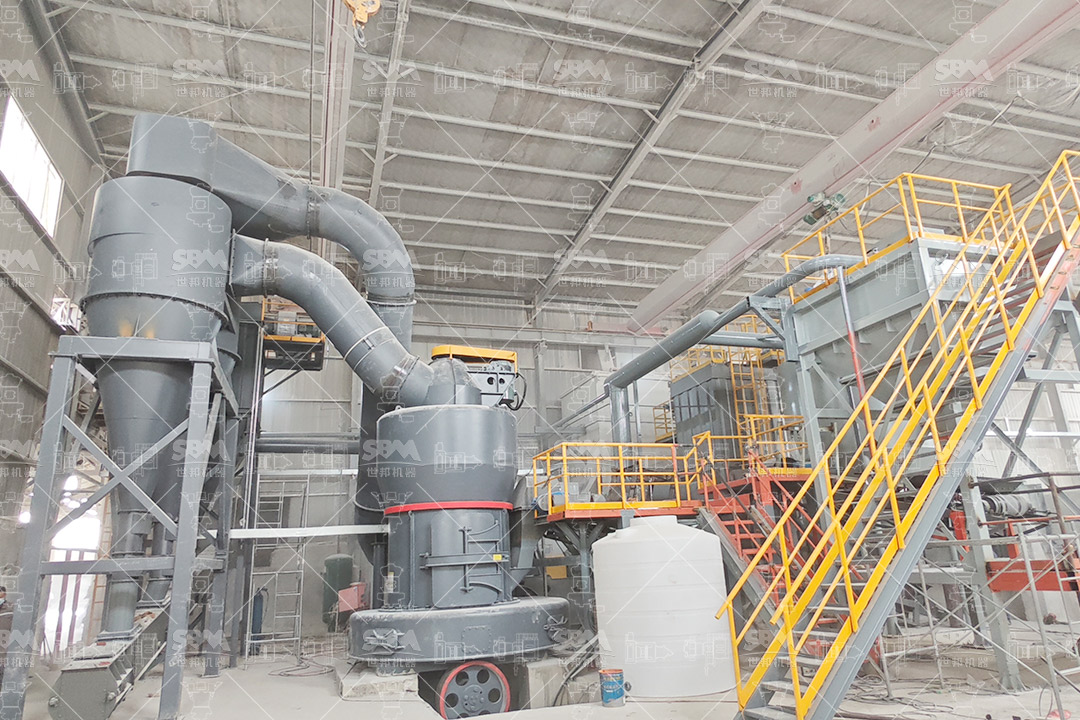
Economic Considerations and Return on Investment
While the initial investment in fine grinding equipment represents a significant capital outlay, the economic benefits typically justify the expenditure through multiple channels:
- Premium Product Pricing: High-quality ground fly ash commands significantly higher market prices compared to unprocessed material
- Reduced Binder Costs: The enhanced cementitious efficiency of ground fly ash allows for higher replacement rates, reducing overall binder costs
- Operational Efficiency: Modern grinding systems like the SCM and MTW series offer low operating costs through energy optimization and reduced maintenance requirements
- Market Differentiation: Producers offering consistently high-quality ground fly ash gain competitive advantage in specification-driven markets
The selection between ultrafine grinding systems like the SCM Series and high-capacity systems like the MTW Series should be based on specific market requirements, with the former targeting premium applications and the latter serving broader market segments.
Future Trends in Fly Ash Processing and Utilization
The evolution of fly ash grinding technology continues to align with broader trends in construction materials:
- Integration with Alternative SCMs: Grinding systems increasingly process blends of fly ash with other supplementary materials like slag and natural pozzolans
- Smart Manufacturing: Advanced control systems with real-time particle size monitoring and automated adjustment capabilities
- Carbon Reduction Focus: Equipment optimization for lowest possible carbon footprint per ton of processed material
- Circular Economy Applications: Processing of previously landfilled or ponded fly ash to recover valuable materials
Conclusion
Fine grinding represents a transformative step in maximizing the value and performance of fly ash in concrete applications. By precisely controlling particle size distribution and increasing specific surface area, modern grinding systems like the SCM Series Ultrafine Mill and MTW Series Trapezium Mill unlock the full potential of this abundant industrial byproduct. The resulting improvements in concrete strength, durability, and sustainability demonstrate that the strategic application of advanced grinding technology is essential for producers seeking to compete in increasingly performance-driven construction materials markets.
As concrete technology continues to evolve toward higher performance and reduced environmental impact, the role of properly processed fly ash will only grow in importance. Investing in appropriate grinding technology today positions producers to meet tomorrow’s material challenges while deriving maximum value from available resources.