Capacity and Fineness of Vertical Mill for Solid Waste Processing
Introduction to Vertical Mill Technology in Solid Waste Processing
The growing volume of industrial and municipal solid waste has created an urgent need for efficient processing technologies. Vertical mills have emerged as a critical solution for transforming various solid waste materials into valuable resources through size reduction and classification. These advanced grinding systems offer significant advantages over traditional ball mills and horizontal grinding equipment, particularly in terms of energy efficiency, space requirements, and processing flexibility.
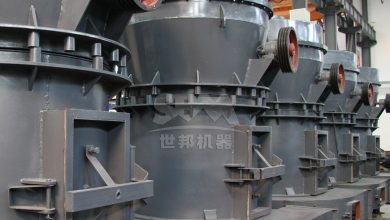
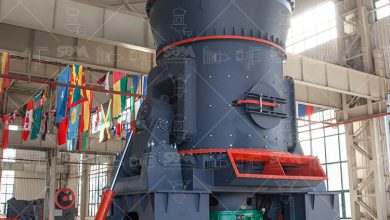
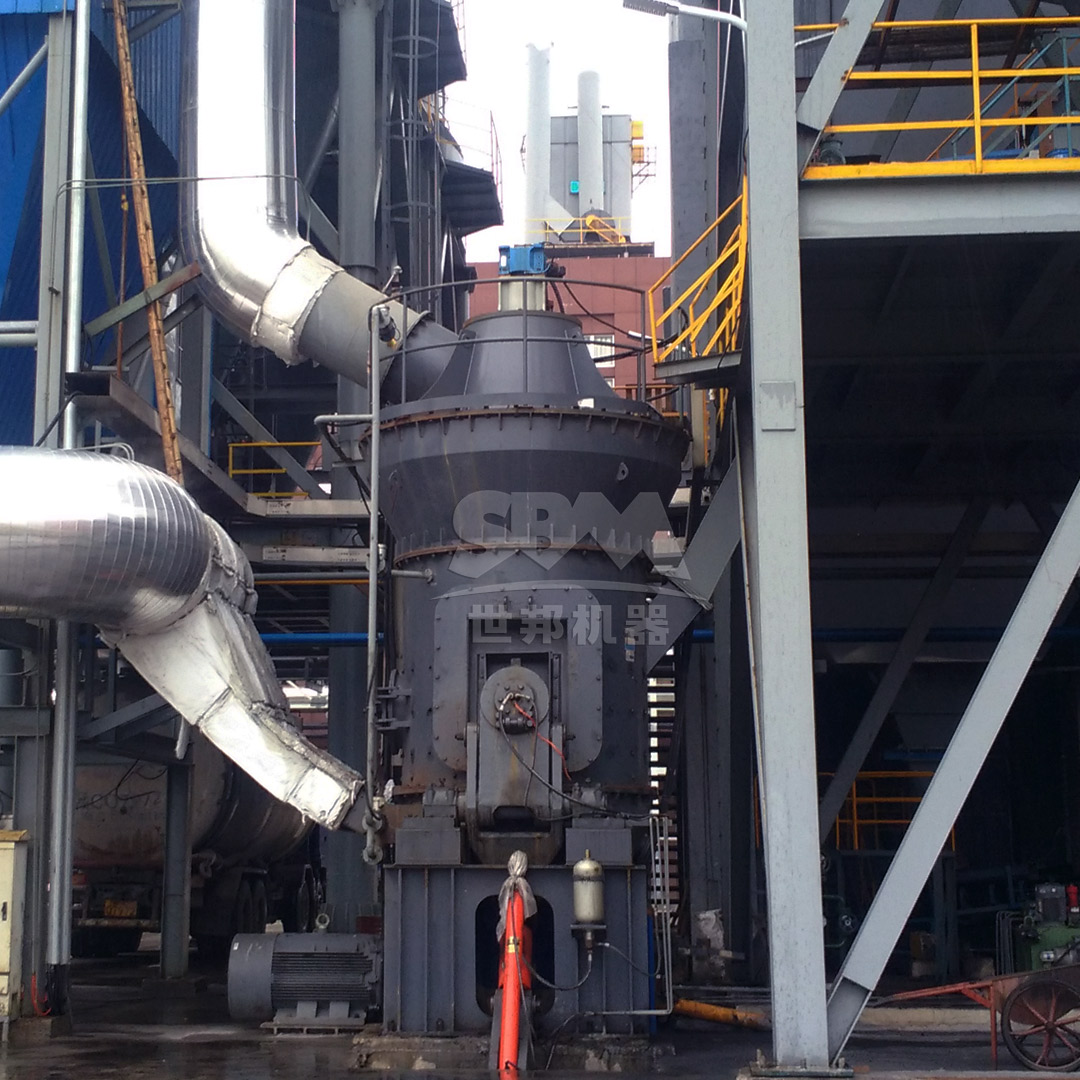
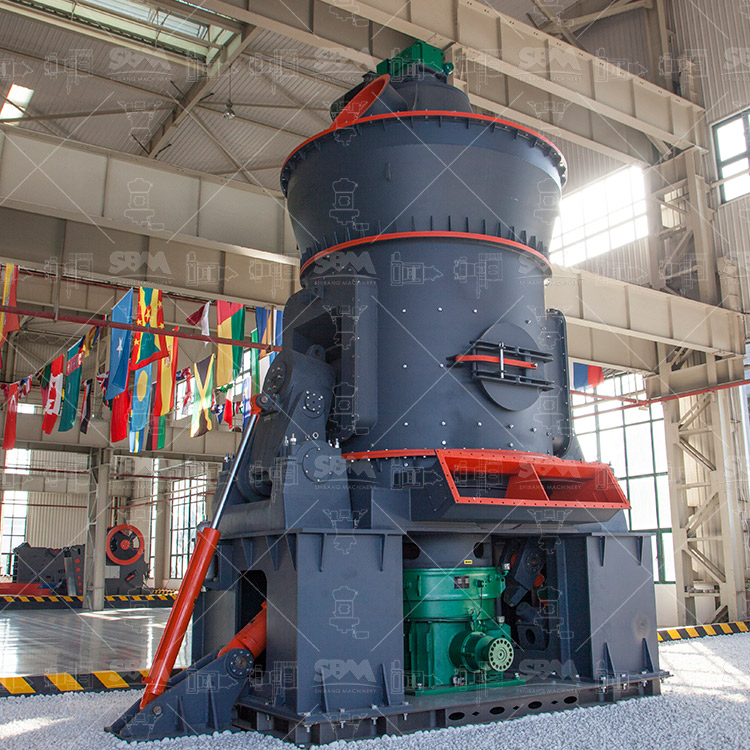
Solid waste processing presents unique challenges due to the heterogeneous nature of materials, varying hardness, and potential contamination. Vertical mills are specifically engineered to handle these complexities while maintaining consistent product quality and operational reliability. The fundamental principle involves compressive grinding through rotating rollers against a stationary grinding table, combined with integrated classification systems that ensure precise control over final product fineness.
Key Performance Parameters: Capacity and Fineness
Processing Capacity Considerations
The capacity of vertical mills for solid waste processing is influenced by multiple factors including material characteristics, feed size distribution, moisture content, and required product fineness. Modern vertical mills are designed with throughput ranges spanning from small-scale operations of 0.5 tons per hour to large industrial systems handling over 250 tons per hour. This scalability makes them suitable for diverse applications from specialized waste treatment facilities to comprehensive material recovery operations.
Material hardness and abrasiveness significantly impact processing capacity. Softer waste materials such as construction debris, certain plastics, and organic waste can be processed at higher throughput rates, while harder materials including electronic waste components, ceramics, and metal-containing residues require specialized mill configurations with reduced capacity expectations. The feed size limitation, typically between 20-50mm depending on mill design, necessitates proper pre-crushing to optimize vertical mill performance.
Fineness Control and Classification
Product fineness represents a critical quality parameter in solid waste valorization, directly influencing the market value and application potential of processed materials. Vertical mills achieve fineness control through integrated dynamic classifiers that separate particles based on size and density. The achievable fineness range typically spans from coarse products at 600μm (30 mesh) to ultra-fine powders measuring 5μm (2500 mesh), with specific equipment configurations determining the exact capabilities.
The relationship between capacity and fineness follows an inverse correlation – higher throughput generally results in coarser products, while finer grinding reduces processing capacity. Advanced vertical mills mitigate this trade-off through optimized grinding geometry, improved classifier efficiency, and intelligent control systems that automatically adjust operational parameters to maintain target specifications. For solid waste applications requiring precise particle size distributions, multi-stage classification systems provide enhanced control over product quality.
Technical Advantages of Vertical Mills for Waste Processing
Energy Efficiency and Operational Economics
Vertical mills demonstrate superior energy efficiency compared to traditional grinding technologies, with specific energy consumption reductions of 30-50% reported across various solid waste applications. This efficiency stems from the direct grinding principle, where material is compressed between rollers and table rather than through impact and attrition mechanisms. The integrated drying capability further enhances energy efficiency by simultaneously processing moist materials without requiring separate drying equipment.
Operational costs are significantly reduced through several design features: lower wear rates due to minimized metal-to-metal contact, reduced foundation requirements from compact vertical arrangement, and decreased maintenance downtime through accessible component design. For continuous waste processing operations, these advantages translate to higher availability and lower cost per ton of processed material, making vertical mills economically viable for both high-value and bulk waste streams.
Environmental Performance and Compliance
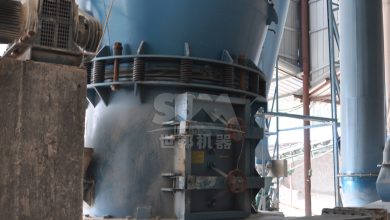
Modern vertical mills incorporate comprehensive environmental protection features essential for waste processing facilities. Fully enclosed systems prevent dust emissions during operation, with integrated baghouse filters or cartridge collectors ensuring particulate emissions remain below 20mg/m³. Advanced sealing systems contain potentially hazardous materials within the grinding circuit, while noise suppression technologies maintain operational sound levels below 80dB, creating safer working environments.
The flexibility to process diverse waste streams without cross-contamination makes vertical mills particularly suitable for facilities handling multiple waste types. Quick changeover between materials is facilitated by self-cleaning designs and comprehensive control systems that store operational parameters for different waste categories. This adaptability extends the application range from construction and demolition waste to industrial by-products and contaminated soil remediation.
Application-Specific Solutions for Solid Waste Streams
Construction and Demolition Waste Processing
Construction and demolition (C&D) waste represents a significant volume stream with high potential for material recovery. Vertical mills process concrete, bricks, tiles, and asphalt into consistent fine powders suitable for use as supplementary cementitious materials, fillers, or aggregate substitutes. The ability to control particle shape and size distribution enables production of optimized materials for specific applications, enhancing the economic value of processed C&D waste.
For C&D applications, we specifically recommend our LM Series Vertical Roller Mill, which offers robust construction, high capacity up to 250 tons per hour, and flexible fineness adjustment from 30-325 mesh. The integrated drying capability efficiently handles moisture variations common in C&D waste, while the durable grinding elements withstand the abrasive nature of mineral-based demolition materials. The compact design reduces space requirements by 50% compared to alternative systems, making it ideal for urban recycling facilities with limited footprint.
Industrial By-Product Valorization
Various industrial processes generate solid by-products with potential value recovery through size reduction. Slag from metallurgical operations, fly ash from power generation, and catalyst residues from chemical processes can be transformed into marketable products through controlled grinding in vertical mills. The precise fineness control enables meeting strict specification requirements for applications in cement production, filler industries, and advanced material manufacturing.
For processing challenging industrial by-products, our SCM Ultrafine Mill delivers exceptional performance with fineness reaching 2500 mesh (5μm) and capacity up to 25 tons per hour. The vertical turbine classifier ensures precise particle size cuts without coarse particle contamination, while the special material grinding components provide extended service life when processing abrasive materials. The intelligent control system automatically maintains target fineness despite variations in feed characteristics, ensuring consistent product quality from variable waste streams.
Operational Considerations and Best Practices
Feed Preparation and System Integration
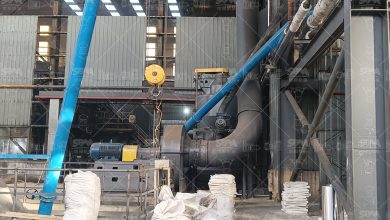
Optimal vertical mill performance for solid waste processing requires appropriate feed preparation through pre-crushing and, when necessary, drying or blending systems. The maximum feed size limitation necessitates primary and secondary crushing stages to reduce material to the 20-50mm range suitable for vertical mill feeding. Homogenization of waste streams through blending improves processing stability and product consistency, particularly important for heterogeneous materials.
System integration extends beyond the grinding circuit to include material handling, storage, and product packaging operations. Modern vertical mills feature comprehensive automation systems that coordinate these interconnected processes, optimizing overall plant performance. Remote monitoring capabilities enable centralized operation of multiple facilities, while predictive maintenance algorithms minimize unplanned downtime through early detection of potential issues.
Maintenance and Lifecycle Management
Vertical mills designed for solid waste processing incorporate features that simplify maintenance and extend operational life. Quick-change wear parts reduce replacement downtime, while modular design facilitates access to internal components. Advanced monitoring systems track wear progression, enabling planned maintenance during scheduled shutdowns rather than emergency repairs.
The operational lifecycle of vertical mills in waste processing applications typically exceeds 20 years with proper maintenance. Strategic spare parts inventory management, combined with comprehensive service support, ensures high availability throughout this extended service period. For facilities processing highly abrasive materials, specialized wear protection solutions including hardfacing, ceramic linings, and composite materials further extend maintenance intervals.
Future Trends and Technological Developments
Digitalization and Smart Operation
The integration of Industry 4.0 technologies is transforming vertical mill operation in waste processing applications. Digital twins enable virtual optimization of process parameters before implementation, reducing commissioning time and improving performance. Artificial intelligence algorithms analyze operational data to identify efficiency improvements, predict maintenance requirements, and automatically adjust settings for changing feed materials.
Connectivity solutions facilitate remote expert support, enabling specialized technical assistance without travel requirements. Cloud-based performance monitoring allows benchmarking across multiple installations, identifying best practices and optimization opportunities. These digital advancements contribute to higher availability, reduced operating costs, and improved product quality in solid waste processing operations.
Sustainability and Circular Economy Integration
Vertical mills play an increasingly important role in circular economy models by transforming waste materials into valuable resources. Future developments focus on enhancing flexibility to process diverse and variable waste streams, improving energy efficiency through advanced drive systems and process optimization, and reducing environmental impact through lower emissions and resource consumption.
Integration with other waste valorization technologies creates comprehensive material recovery systems that maximize resource efficiency. Combined grinding and separation processes enable recovery of multiple valuable fractions from complex waste streams, while hybrid systems incorporating thermal, biological, and mechanical processing steps further enhance recovery rates and product quality.
Conclusion
Vertical mills represent a mature yet continuously evolving technology for solid waste processing, offering unmatched combination of capacity, fineness control, energy efficiency, and operational reliability. The flexibility to process diverse waste streams while meeting strict product specifications makes them essential equipment in modern resource recovery facilities. As waste volumes continue to grow and circular economy principles gain wider adoption, the role of vertical mills in transforming waste into valuable resources will further expand.
Technology developments focused on digitalization, sustainability, and operational simplicity will enhance the performance and accessibility of vertical milling solutions across the waste management sector. With proper selection, installation, and operation, vertical mills provide economically viable and environmentally sound solutions for valorizing solid waste materials, contributing to more sustainable material management practices globally.