Factors Affecting Raymond Mill Price: Key Elements to Consider
Introduction
The selection of industrial grinding equipment represents a significant capital investment for any mining, construction, or manufacturing operation. Among the various options available, Raymond mills have maintained their popularity for decades due to their reliability and versatility. However, the pricing of these machines can vary substantially based on numerous technical and operational factors. Understanding these variables is crucial for making an informed purchasing decision that balances initial cost with long-term operational efficiency.
This comprehensive analysis examines the key elements that influence Raymond mill pricing, providing valuable insights for procurement specialists, plant managers, and industry professionals. By understanding these factors, businesses can optimize their equipment selection process and maximize return on investment.
Technical Specifications and Performance Parameters
Processing Capacity and Throughput
The most fundamental factor affecting Raymond mill pricing is processing capacity, typically measured in tons per hour. Higher capacity machines require more robust construction, larger motors, and enhanced material handling systems, all of which contribute to increased manufacturing costs. The relationship between capacity and price is not linear; doubling the throughput often results in more than double the price due to the engineering challenges of scaling up while maintaining efficiency and reliability.
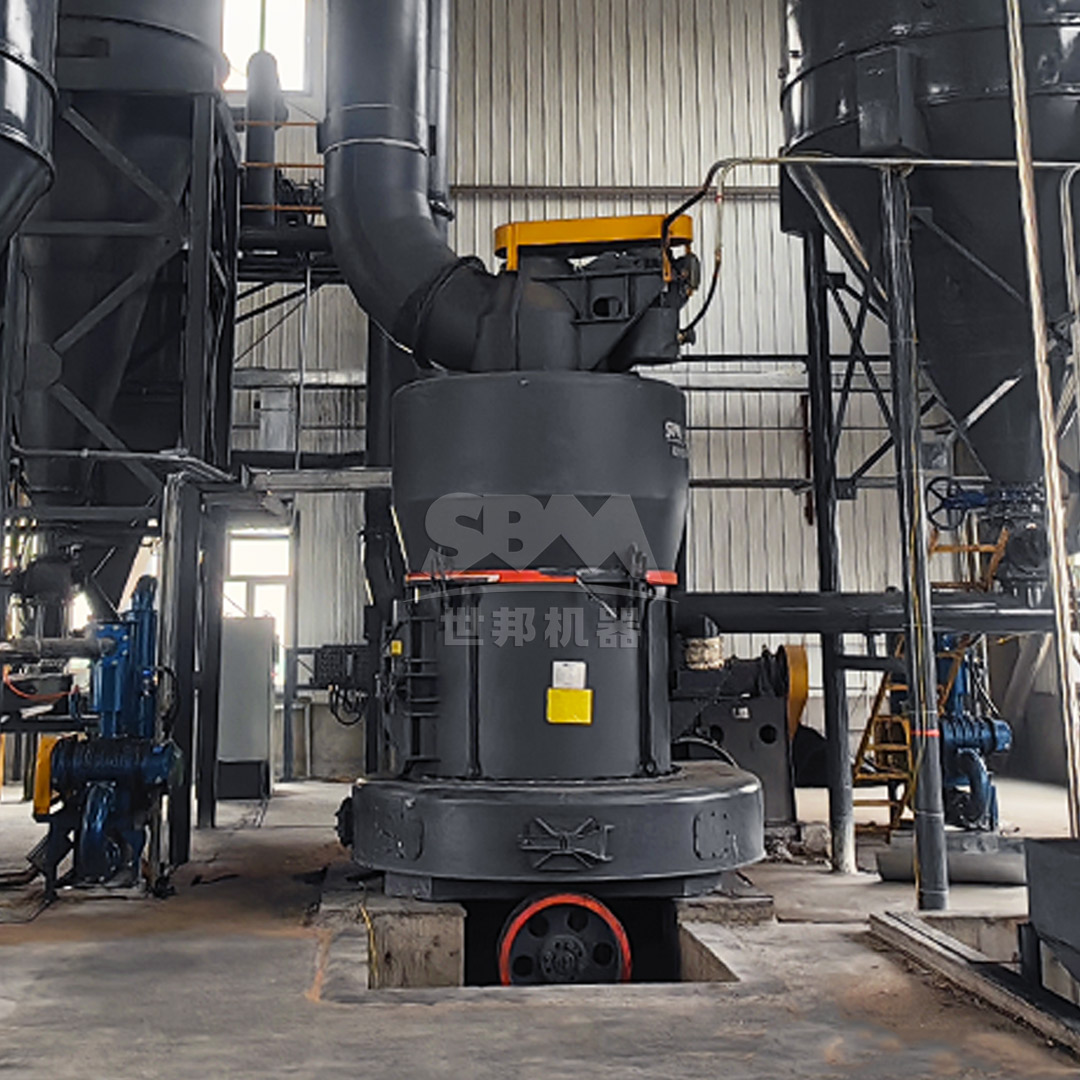
Manufacturers typically offer multiple models within a product line to accommodate different production requirements. For instance, our MTW Series Trapezium Mill ranges from the MTW110 model with 3-9 ton/hour capacity to the massive MTW215G capable of processing 15-45 tons per hour. This wide range allows customers to select equipment precisely matched to their operational needs without overinvesting in excessive capacity.
Output Fineness and Particle Size Control
The degree of fineness required in the final product significantly impacts mill design and cost. Equipment capable of producing ultra-fine powders (below 45μm) requires more sophisticated grinding mechanisms, precision classification systems, and enhanced dust collection capabilities. The engineering precision needed to achieve consistent particle size distribution at these fine ranges demands tighter manufacturing tolerances and higher-quality components.
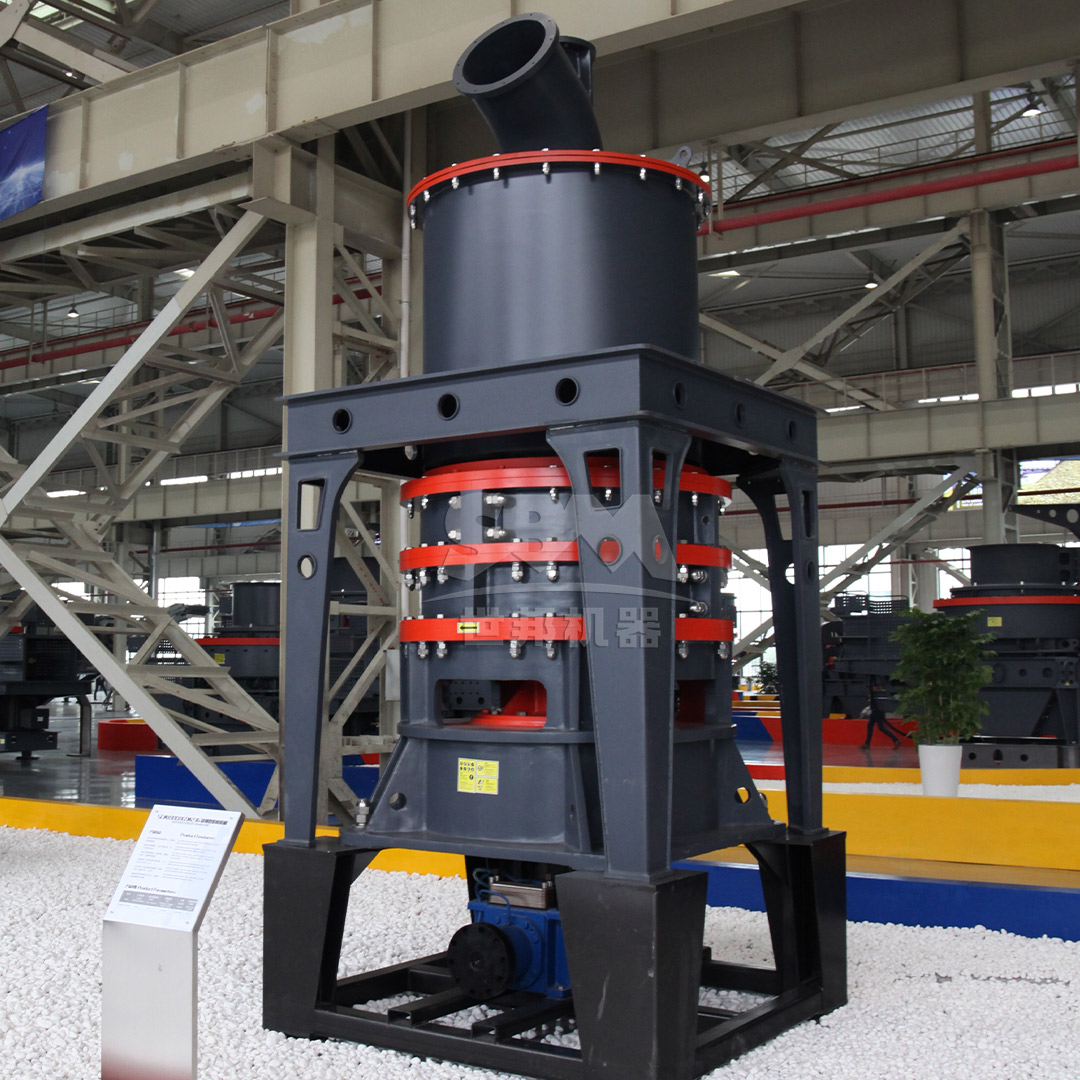
For applications requiring exceptionally fine outputs, our SCM Ultrafine Mill represents the pinnacle of grinding technology, capable of achieving fineness between 325-2500 mesh (D97≤5μm). This exceptional performance comes from its advanced vertical turbine classification system and precision grinding elements, which justify its premium positioning in the market.
Construction Quality and Material Selection
Wear Parts and Durability Considerations
The materials used in critical wear components represent one of the most significant cost drivers in Raymond mill manufacturing. Standard models may utilize conventional alloy steels for grinding elements, while premium units feature specialized materials that dramatically extend service life. Tungsten carbide overlays, high-chrome alloys, and ceramic composites can increase component lifespan by 300-500%, but these advanced materials come at a substantial cost premium.
Our engineering philosophy prioritizes long-term value over initial savings. For example, the grinding rollers and rings in our MTW Series employ special wear-resistant materials that provide several times the service life of conventional components. This approach reduces downtime and replacement part costs, delivering lower total cost of ownership despite higher initial investment.
Structural Integrity and Vibration Control
The base frame, housing, and structural components contribute significantly to both equipment cost and long-term performance. Heavier, more rigid construction minimizes vibration transmission, reduces maintenance requirements, and extends bearing life. Advanced mills incorporate computer-optimized structural designs that provide maximum stiffness with minimal material usage, balancing performance with manufacturing economy.
Our MTM Series implements an innovative damping spring and sealing belt system that effectively eliminates equipment resonance, a common cause of premature failure in lesser machines. This engineering refinement represents additional manufacturing complexity but pays dividends in reliability and operational smoothness.
Drive Systems and Power Transmission
Motor Selection and Power Requirements
The heart of any grinding system is its drive motor, and the selection between standard efficiency and high-efficiency models can impact both initial cost and long-term operating expenses. Premium efficiency motors typically add 15-25% to the drive system cost but can reduce energy consumption by 3-8% over the equipment’s lifespan. For high-capacity mills operating continuously, this efficiency premium often pays for itself within the first two years of operation.
Our product specifications clearly indicate power requirements across different models, allowing customers to accurately project both capital and operational costs. The SCM1680 Ultrafine Mill, for instance, utilizes a 315kW main motor to deliver its impressive 5-25 ton/hour capacity while maintaining energy efficiency that exceeds industry standards.
Transmission Efficiency and Design
The method of power transmission from motor to grinding mechanism represents another key cost differentiator. Traditional V-belt drives offer lower initial cost but require regular maintenance and exhibit efficiency losses of 5-7%. Direct gear drives provide higher efficiency (98% or better) and reduced maintenance but come at a significant manufacturing cost premium.
Our MTW Series implements an advanced bevel gear overall transmission system that achieves exceptional 98% efficiency in a compact footprint. This integrated design reduces installation complexity while providing smooth, reliable power delivery that justifies its additional manufacturing cost through superior long-term performance.
Classification and Collection Systems
Particle Size Control Mechanisms
The classification system represents one of the most technologically sophisticated components in modern grinding equipment. Basic Raymond mills may employ static separators with limited adjustment capability, while advanced models feature dynamic classifiers with variable speed control for precise particle size distribution. The engineering complexity of these systems directly correlates with their cost contribution to the overall machine.
Our SCM Ultrafine Mill incorporates a vertical turbine classification system that enables precise size cuts without coarse powder contamination. This advanced technology allows operators to fine-tune product specifications to exact customer requirements, providing competitive advantages that justify the additional equipment investment.
Dust Collection and Environmental Compliance
Modern industrial operations face increasingly stringent environmental regulations, particularly regarding dust emissions. Basic mills may include simple cyclone collectors, while advanced systems integrate high-efficiency pulse jet baghouse filters that capture sub-micron particles. These environmental control systems can represent 15-30% of the total equipment cost but are essential for regulatory compliance and worker safety.
All our grinding systems feature integrated pulse dust collectors that exceed international emission standards. The environmental package on our MTW Series achieves collection efficiency of 99.9% while maintaining operational economy through automated cleaning cycles and low-pressure operation.
Automation and Control Systems
Operational Intelligence and Monitoring
The level of automation and control sophistication represents a significant cost variable in modern grinding equipment. Basic manual controls keep initial costs low but require continuous operator attention. PLC-based automation systems add substantially to equipment cost but provide precise process control, automated safety interlocks, and remote monitoring capabilities that reduce labor requirements and improve product consistency.
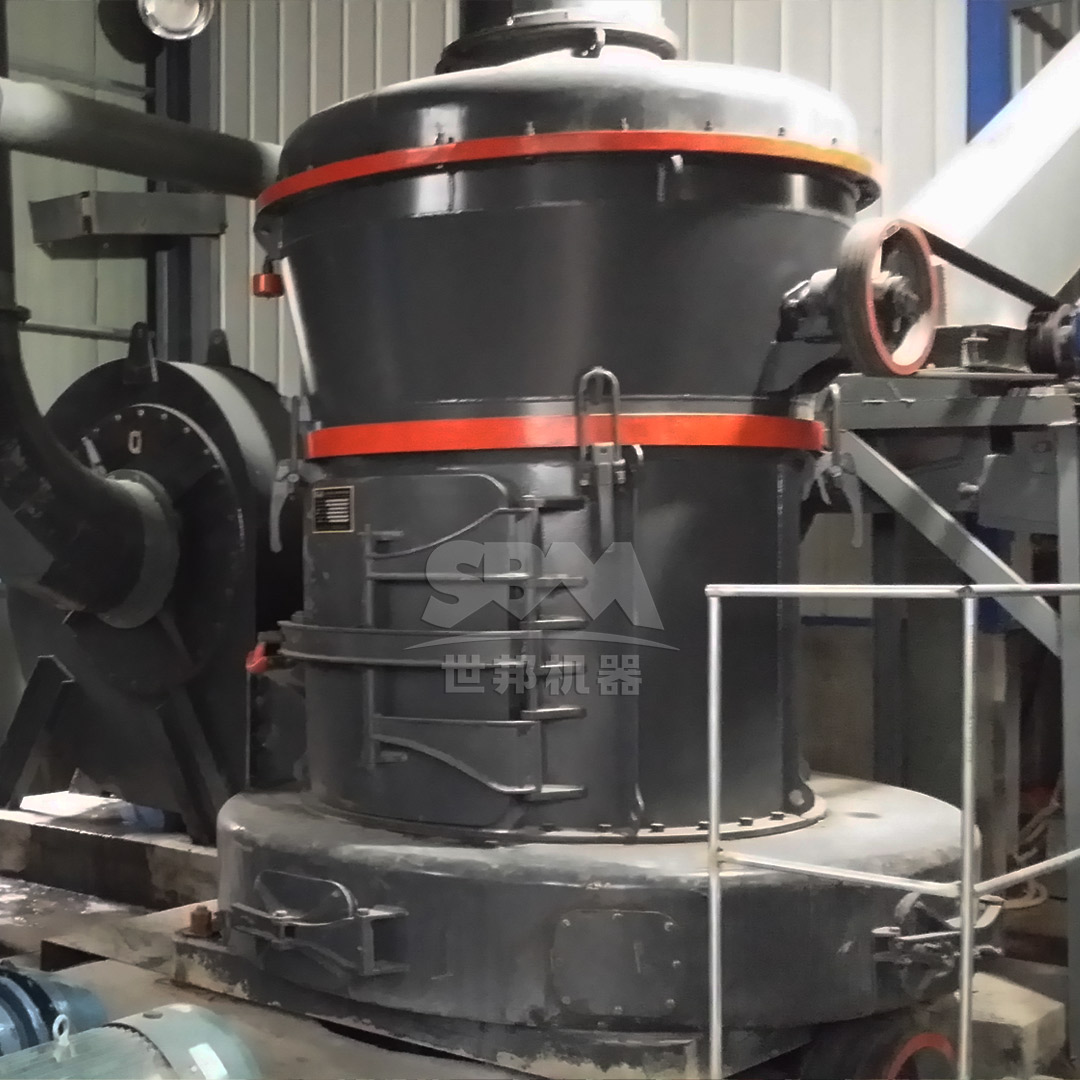
Our LM Series Vertical Roller Mills feature expert-level automatic control systems that support both remote and local operation modes. These intelligent systems continuously monitor operating parameters and automatically adjust critical functions to maintain optimal performance, reducing human intervention while maximizing efficiency and equipment protection.
Manufacturing and Supply Chain Considerations
Production Scale and Economies
The manufacturing approach significantly influences final equipment pricing. Custom-built machines tailored to specific applications command premium prices due to engineering costs and limited production volumes. Standardized models produced in larger quantities benefit from manufacturing efficiencies that reduce per-unit costs while maintaining quality through repeatable processes.
Our product strategy balances standardization with configurability, offering core platform designs that can be adapted to specific requirements without completely custom engineering. This approach provides customers with application-optimized solutions while controlling costs through shared components and manufacturing processes.
Global Supply Chain and Material Costs
Industrial grinding equipment incorporates materials and components sourced from global supply chains, making final pricing sensitive to commodity fluctuations, transportation costs, and trade policies. Premium components from specialized suppliers—such as European bearings, Japanese motors, or German control systems—add cost but enhance reliability and performance.
We maintain strategic relationships with tier-one component suppliers worldwide, ensuring consistent quality while managing cost pressures through volume commitments and long-term partnerships. This supply chain management directly impacts the value proposition we deliver to customers.
After-Sales Support and Service Infrastructure
Warranty Terms and Technical Support
The comprehensiveness of warranty coverage and technical support represents an often-overlooked cost component in equipment pricing. Basic suppliers may offer limited warranties with minimal support, while established manufacturers provide extensive coverage backed by global service networks. This support infrastructure represents significant ongoing investment that is reflected in equipment pricing.
Our company stands behind every machine with comprehensive warranty protection and 24/7 technical support from trained engineers. This commitment to customer success represents a core value that justifies our market positioning and ensures long-term satisfaction.
Parts Availability and Lifecycle Support
Equipment reliability depends not only on initial quality but also on the availability of genuine replacement parts throughout the machine’s operational life. Manufacturers who maintain extensive parts inventories and provide prompt delivery service necessarily build these costs into their pricing structure.
We operate regional parts distribution centers strategically located to serve major industrial markets worldwide. This infrastructure investment ensures that our customers receive genuine replacement components with minimal downtime, protecting their production continuity and maximizing equipment utilization.
Conclusion: Balancing Cost and Value
The pricing of Raymond mills and related grinding equipment reflects a complex interplay of technical specifications, construction quality, operational features, and support services. While initial purchase price represents an important consideration, informed buyers recognize that total cost of ownership—encompassing energy consumption, maintenance requirements, production efficiency, and equipment lifespan—provides a more accurate measure of value.
Our product range, including the advanced SCM Ultrafine Mill and high-capacity MTW Series Trapezium Mill, represents the optimal balance of performance, reliability, and operational economy. By understanding the factors that influence equipment pricing, customers can make selection decisions that align with their specific operational requirements and strategic objectives.
We invite prospective buyers to consult with our technical specialists to determine the most appropriate grinding solution for their application. With proper selection and professional installation, our equipment delivers years of trouble-free operation and exceptional return on investment, making the initial equipment cost a wise long-term business decision.