Bentonite Vertical Roller Mill Grinding Process: An Overview
Introduction to Bentonite Processing
Bentonite, a clay mineral composed primarily of montmorillonite, has become an indispensable material across numerous industries including foundry, drilling, construction, and environmental applications. The unique properties of bentonite – particularly its swelling capacity, viscosity, and thixotropy – make precise particle size control crucial for optimal performance. Traditional grinding methods often fail to meet the stringent requirements for modern bentonite applications, making vertical roller mills (VRMs) the preferred technology for efficient and controlled size reduction.
The grinding process for bentonite presents several challenges: maintaining consistent particle size distribution, preventing overheating that can degrade clay properties, achieving high throughput while minimizing energy consumption, and ensuring environmental compliance. Vertical roller mills address these challenges through their innovative design and operational principles.
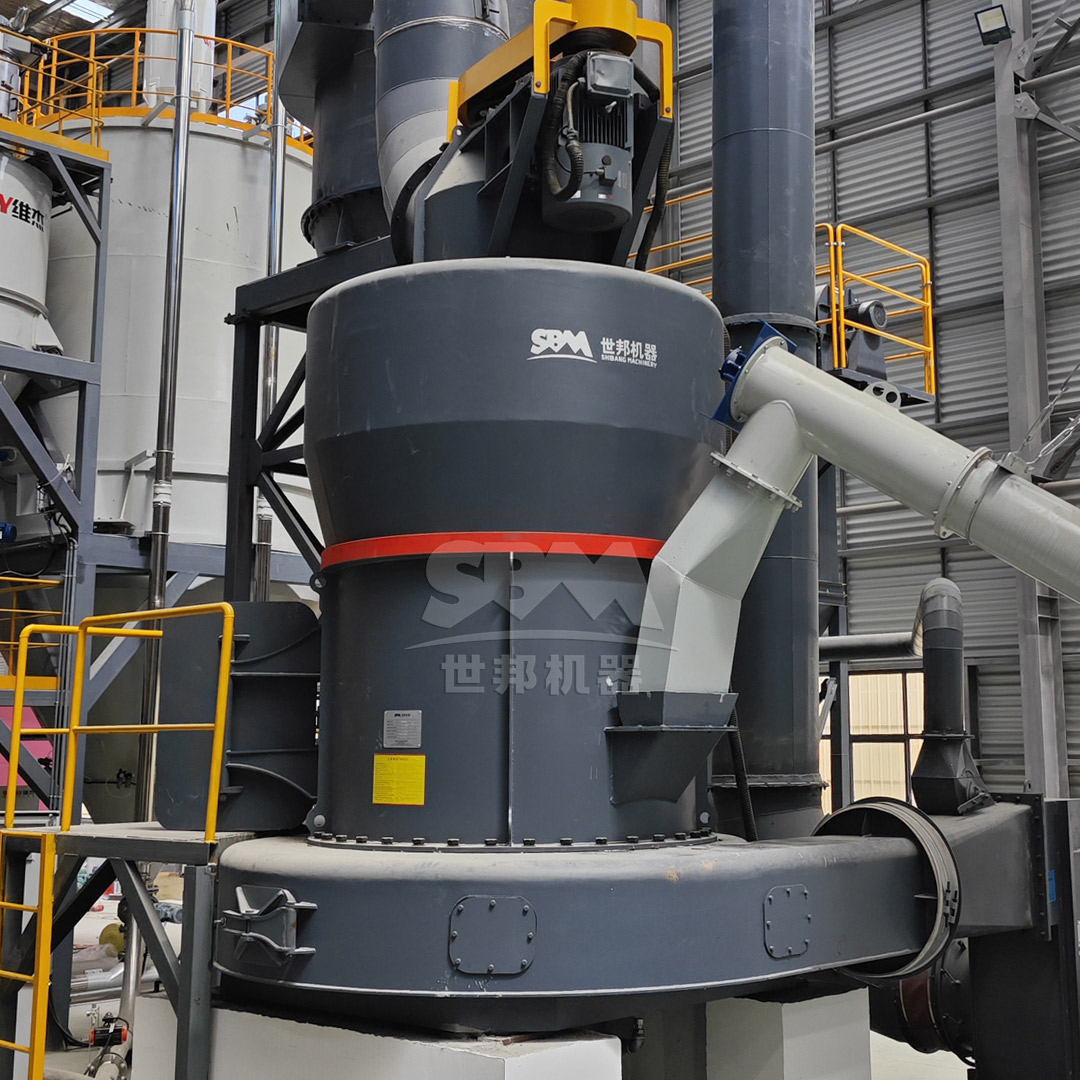
Vertical Roller Mill Technology for Bentonite
Fundamental Working Principles
Vertical roller mills operate on the principle of bed compression grinding, where material is ground between a rotating table and rollers. The process begins with raw bentonite feeding through a central inlet onto the rotating grinding table. Centrifugal force distributes the material outward under the grinding rollers, where high pressure is applied. This pressure creates inter-particle comminution, which is more energy-efficient than impact crushing.
Following the grinding operation, the material is transported by air flow to an integrated classifier. The classifier separates particles based on size, returning oversized material to the grinding zone while allowing properly sized particles to proceed to the collection system. This closed-circuit operation ensures consistent product quality and prevents overgrinding.
Key Components and Their Functions
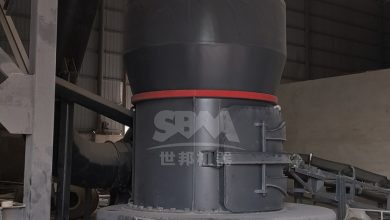
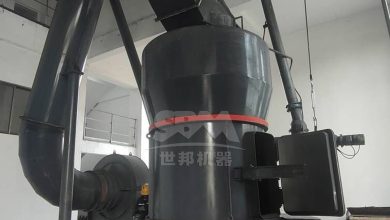
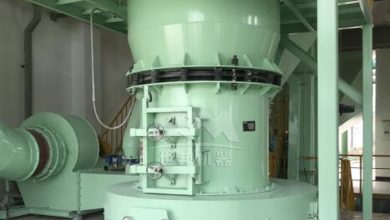
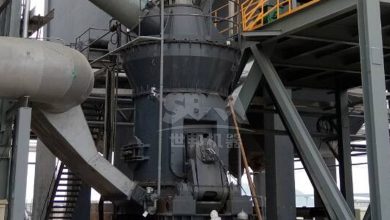
A typical bentonite VRM system consists of several critical components: the grinding table with wear-resistant segments, hydraulically loaded grinding rollers, a high-efficiency classifier, a main drive system with reducer, a hot gas generator (for drying applications), and a complete dust collection system. Each component is engineered specifically for clay mineral processing, with special considerations for the abrasive and sometimes moist nature of bentonite feed material.
Technical Advantages of VRM for Bentonite Applications
Energy Efficiency and Operational Economics
Compared to traditional ball mills, vertical roller mills offer significant energy savings for bentonite grinding – typically 30-50% lower specific energy consumption. This efficiency stems from several factors: the bed compression grinding mechanism requires less energy than impact or attrition grinding, the integrated drying capability reduces or eliminates the need for separate drying equipment, and the more efficient air flow system minimizes fan power requirements.
For bentonite processors, these energy savings translate directly to lower operating costs. Additionally, VRMs have lower maintenance requirements due to reduced wear part consumption and longer intervals between servicing. The combination of energy savings, reduced maintenance, and higher availability makes VRM technology economically compelling for bentonite processing operations.
Product Quality and Process Control
Vertical roller mills provide exceptional control over product characteristics, which is particularly important for bentonite applications where specific properties must be maintained. The integrated dynamic classifiers allow precise adjustment of product fineness, typically ranging from 80% passing 45 microns to 99% passing 10 microns for bentonite applications. The narrow particle size distribution achieved with VRMs enhances bentonite’s performance in applications such as drilling muds, where viscosity and filtration control are critical.
Modern VRM systems feature advanced process control systems that continuously monitor and adjust operating parameters. These systems maintain consistent product quality despite variations in feed material characteristics, and can be integrated with plant-wide control systems for optimized operation.

Recommended Equipment for Bentonite Processing
LM Series Vertical Roller Mill
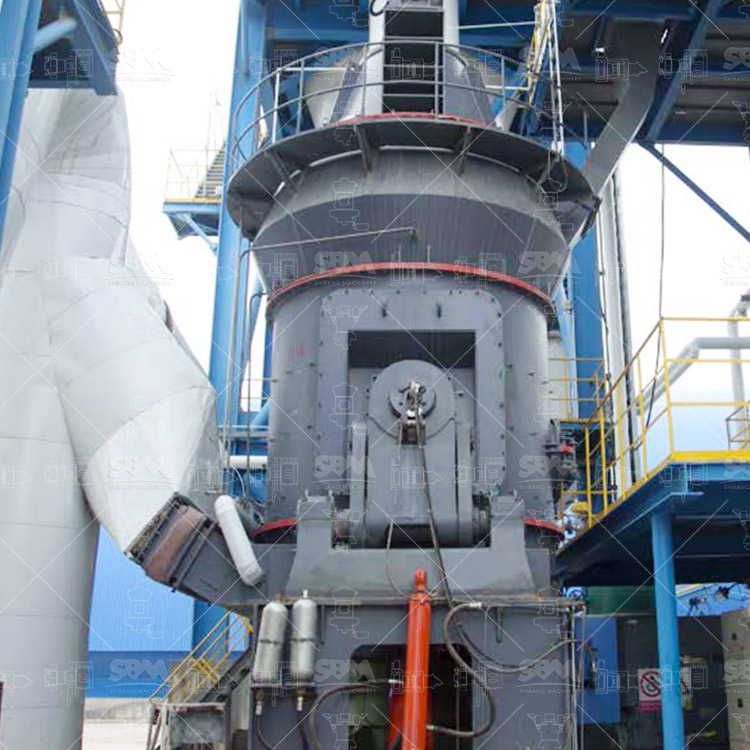
For medium to large-scale bentonite processing operations, our LM Series Vertical Roller Mill represents an optimal solution. With capacity ranging from 3 to 250 tons per hour and the ability to produce product fineness from 30 to 325 mesh (with special configurations reaching 600 mesh), this equipment covers the majority of industrial bentonite requirements. The integrated design combines crushing, grinding, drying, and classification in a single compact unit, reducing footprint requirements by up to 50% compared to alternative systems.
The LM Series incorporates several features specifically beneficial for bentonite processing: the non-contact design between grinding rollers and table extends wear part life up to three times compared to conventional designs; the intelligent control system automatically adjusts operating parameters to maintain consistent product quality; and the fully sealed negative pressure operation ensures dust emissions remain below 20mg/m³, addressing the potentially dusty nature of bentonite processing.
SCM Ultrafine Mill for Specialized Applications
For applications requiring ultrafine bentonite products, our SCM Ultrafine Mill provides exceptional performance with output fineness ranging from 325 to 2500 mesh (D97≤5μm). This equipment is particularly suitable for high-value bentonite applications such as pharmaceuticals, cosmetics, and specialty chemicals where ultrafine particle size and narrow distribution are critical. The vertical turbine classifier ensures precise size cuts without coarse particle contamination, while the special material roller and grinding ring construction provides extended service life in abrasive bentonite applications.
The SCM series offers capacities from 0.5 to 25 tons per hour across different models, making it suitable for both specialized production lines and dedicated ultrafine bentonite circuits within larger operations. With energy consumption approximately 30% lower than jet mills of comparable capacity, this equipment provides an economical solution for high-value bentonite products.
Process Optimization Considerations
Moisture Control and Drying Integration
Bentonite often contains significant moisture (typically 15-30% in raw form), which must be reduced to 8-12% for most applications. VRMs efficiently integrate the drying process by utilizing hot gases introduced through the mill housing. The grinding bed creates excellent gas-solid contact, facilitating efficient heat transfer and moisture evaporation. Process optimization involves balancing the thermal energy input with grinding parameters to achieve both moisture and particle size targets simultaneously.
Wear Protection and Maintenance Strategies
Bentonite’s abrasive nature necessitates careful attention to wear protection in VRM systems. Modern mills address this challenge through several approaches: utilizing specialized hardfacing materials on grinding components, implementing progressive wear monitoring systems, and designing quick-change mechanisms for wear parts. Preventive maintenance programs specifically tailored to bentonite service can significantly extend component life and reduce unexpected downtime.
Environmental and Safety Aspects
Modern vertical roller mills for bentonite processing incorporate comprehensive environmental protection features. Pulse-jet baghouse filters with filtration efficiency exceeding 99.9% ensure compliance with stringent emission standards. Fully enclosed design and negative pressure operation prevent dust escape during normal operation. Noise control measures, including acoustic insulation and vibration damping, maintain operating noise levels below 80-85 dB(A), protecting both workers and surrounding environment.
Safety systems include explosion venting for combustible dust hazards, monitoring systems for bearing temperature and vibration, and comprehensive emergency stop systems. These features address the specific safety considerations associated with bentonite processing, particularly when fine particles are suspended in air.
Future Trends in Bentonite Comminution Technology
The evolution of bentonite grinding technology continues to focus on several key areas: further reduction in energy consumption through optimized grinding geometries and improved classification efficiency; enhanced flexibility to process varying bentonite grades without compromising product quality; integration with digital technologies for predictive maintenance and operational optimization; and development of more sustainable processes with reduced water and energy footprints. As industry requirements for bentonite products become more specialized, grinding equipment must provide increasingly precise control over multiple product parameters simultaneously.
Conclusion
Vertical roller mill technology has revolutionized bentonite processing by providing energy-efficient, controllable, and environmentally sound comminution. The ability to integrate drying, grinding, and classification in a single unit, combined with precise control over product characteristics, makes VRMs the preferred choice for modern bentonite processing facilities. As technology continues to advance, we can expect further improvements in efficiency, flexibility, and sustainability, ensuring that bentonite processors can meet evolving market demands while maintaining economic and environmental responsibility.