How Does a Barite Vertical Mill Work for Barite Grinding Processing?
Introduction to Barite Grinding
Barite (barium sulfate) is a mineral primarily used as a weighting agent in drilling fluids for oil and gas exploration. Its value in industrial applications depends heavily on achieving specific particle size distributions and purity levels. Barite grinding processing transforms raw barite ore into fine powders suitable for various industrial uses, with particle sizes typically ranging from 325 mesh to 2500 mesh (45-5μm).
The grinding process must maintain barite’s specific gravity (4.2-4.5) while producing consistent particle size distribution. Vertical roller mills have emerged as the preferred technology for barite grinding due to their efficiency, precision, and ability to handle the material’s specific characteristics.
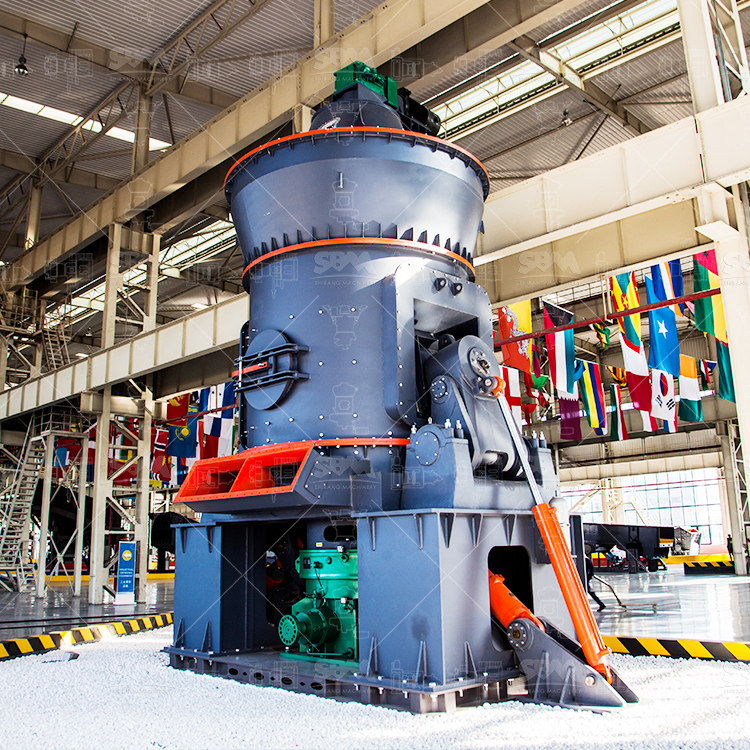
Fundamental Working Principles of Vertical Mills for Barite
Material Feeding and Distribution
The barite grinding process begins with properly prepared raw material. Barite ore, typically crushed to ≤20mm, is fed into the mill through a precision feeding system. The material enters through the center of the grinding table, where centrifugal force generated by the rotating table distributes it evenly across the grinding path.
Proper feeding is critical for maintaining stable operation and consistent product quality. The feed rate is automatically controlled based on mill motor power and grinding pressure to optimize efficiency. For barite specifically, moisture content must be carefully controlled, as excessive moisture can lead to clogging and reduced grinding efficiency.
Grinding Mechanism
The core of the vertical mill’s grinding action occurs between the grinding rollers and the rotating table. As barite material spreads across the grinding table, hydraulic cylinders apply significant pressure to the rollers, which then compress and shear the material bed. This combination of compression and shear forces efficiently reduces particle size while minimizing energy consumption.
For barite processing, the grinding pressure must be carefully calibrated. Too much pressure generates excessive heat, which can affect barite’s crystal structure and specific gravity. Too little pressure results in insufficient grinding and reduced throughput. Modern vertical mills incorporate automatic pressure adjustment systems that optimize grinding force based on material characteristics and desired product fineness.
Classification and Separation
After initial grinding, the barite particles are carried upward by the airflow generated by the mill’s fan. The classifying system, typically comprising a dynamic classifier with adjustable rotor speeds, separates particles based on size. Finer particles that meet the target specifications pass through the classifier and proceed to the collection system.
Oversize particles are rejected by the classifier and fall back onto the grinding table for further size reduction. This internal classification circuit ensures that only properly sized barite powder exits the system, resulting in tight particle size distribution. The precision of this classification process is particularly important for barite used in drilling fluids, where specific particle size distributions are required to control fluid rheology.
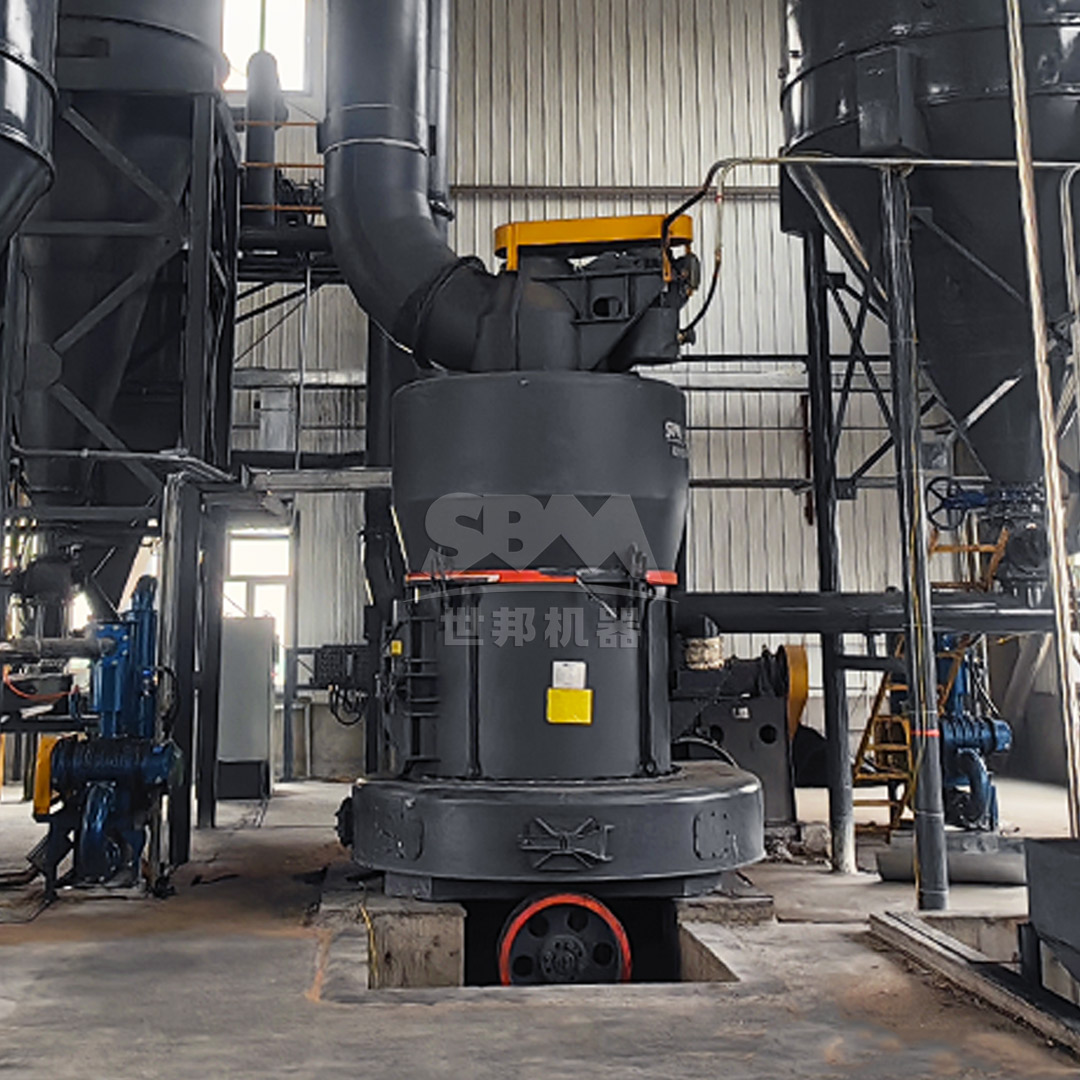
Key Components of Barite Vertical Mills
Grinding Table and Rollers
The grinding table and rollers form the heart of the vertical mill. For barite processing, these components are typically manufactured from high-chromium cast iron or similar wear-resistant materials to withstand the abrasive nature of barite. The grinding profile is specially designed to create an optimal material bed depth and grinding efficiency.
Modern vertical mills feature modular roller systems that allow for quick replacement of wear parts, significantly reducing maintenance downtime. The rollers are designed with replaceable wear segments, extending service life and reducing long-term operating costs. For barite applications, the grinding elements are engineered to minimize iron contamination, which is critical for maintaining product purity.
Drive System
The mill’s drive system consists of a main motor, reduction gearbox, and grinding table. The planetary gearbox provides the necessary torque to rotate the grinding table at optimal speeds for barite grinding, typically between 20-50 rpm depending on mill size and operational parameters.
Advanced drive systems incorporate frequency converters that allow for precise speed control, enabling operators to optimize grinding conditions for different barite grades and product specifications. The drive system’s reliability is crucial for continuous operation, as unplanned downtime in barite grinding operations can significantly impact downstream processes.
Classification System
The classification system in barite vertical mills typically employs dynamic classifiers with variable-speed rotors. By adjusting rotor speed, operators can precisely control the cut point of the classification process, enabling production of barite powders with specific top sizes and narrow particle size distributions.
Some advanced systems incorporate multiple classification stages or hybrid static-dynamic classifiers to achieve even greater precision. For ultra-fine barite products (2500 mesh/5μm), high-efficiency classifiers with special blade designs and sealing systems are employed to prevent coarse particle contamination.
Barite-Specific Processing Considerations
Moisture Control
Barite typically contains natural moisture that must be managed during grinding. Vertical mills can handle materials with moisture content up to 10-15% by utilizing hot gas streams for drying simultaneously with grinding. The hot gases, introduced through the mill housing, fluidize the ground material and evaporate moisture, ensuring dry final product and preventing agglomeration.
For barite with higher moisture content, pre-drying systems may be incorporated before the mill. Proper moisture control is essential not only for grinding efficiency but also for preventing corrosion in downstream equipment and ensuring the barite product meets specifications for various applications.
Product Fineness and Throughput Balance
Barite grinding operations must balance product fineness with production throughput. As target fineness increases (finer products), throughput typically decreases due to the additional grinding energy required and the increased recirculation of material within the mill.
Vertical mills for barite processing are designed to optimize this balance through efficient grinding geometry, precise classification, and optimized airflow. Operating parameters can be adjusted to prioritize either high throughput for coarser products or finer products at reduced rates, providing flexibility to meet varying market demands.
Advanced Vertical Mill Technologies for Barite Processing
Automation and Control Systems
Modern barite vertical mills incorporate sophisticated automation systems that continuously monitor and adjust operational parameters. These systems track grinding pressure, material bed depth, classifier speed, fan flow, and power consumption to maintain optimal operation.
Advanced control algorithms can detect changes in barite ore characteristics and automatically adjust mill parameters to maintain consistent product quality. Remote monitoring capabilities allow operators to supervise mill performance from control rooms or even off-site locations, improving operational efficiency and safety.
Wear Protection Technologies
Given barite’s abrasive nature, vertical mills employ various wear protection strategies. Ceramic-lined components, hard-facing technologies, and specialized alloy compositions extend the service life of grinding elements and mill internals.
Some advanced mills feature innovative design elements such as material-on-material protection, where a layer of ground barite itself protects mill surfaces from wear. These technologies significantly reduce maintenance requirements and operating costs while maintaining product purity by minimizing wear metal contamination.
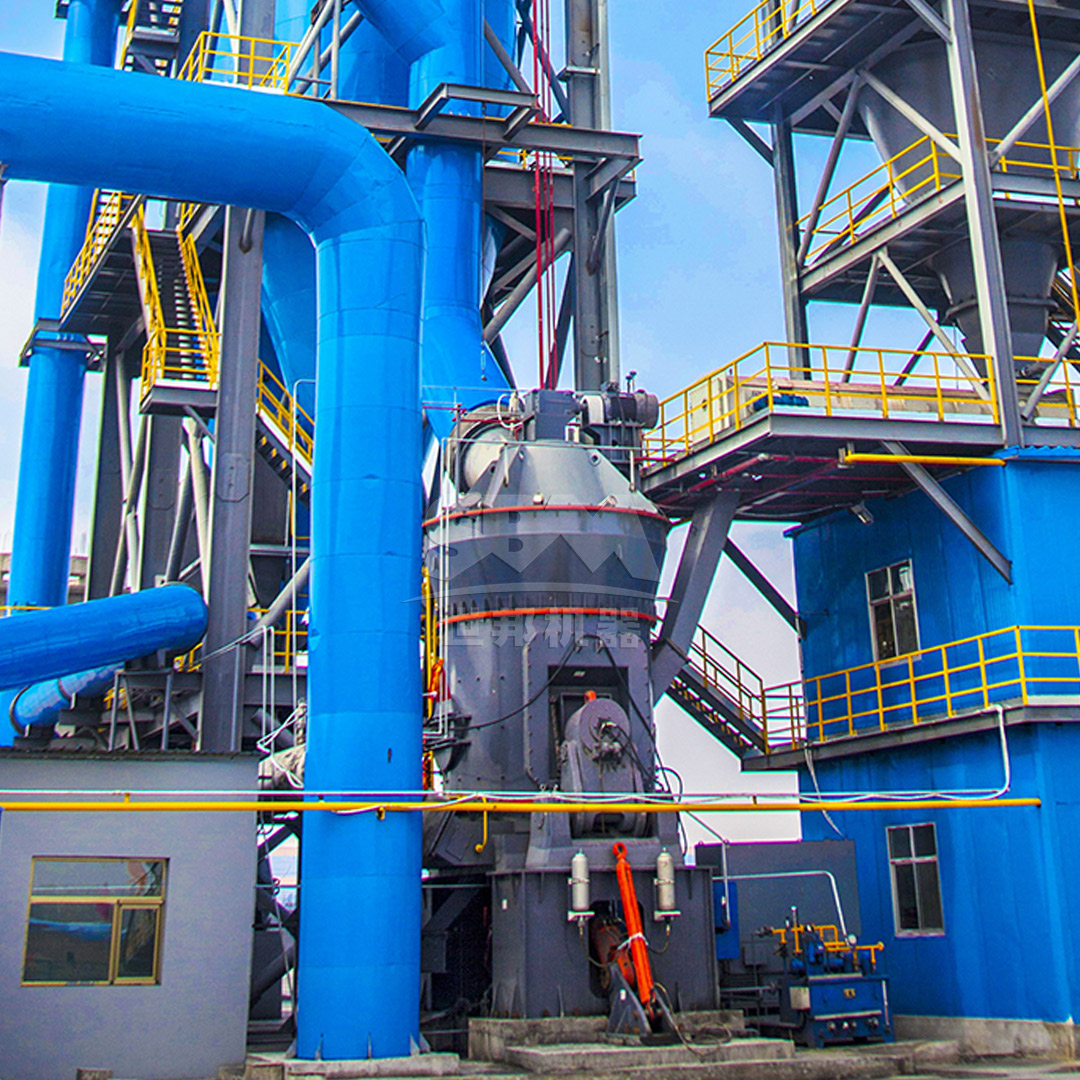
Recommended Vertical Mill for Barite Processing: SCM Ultrafine Mill
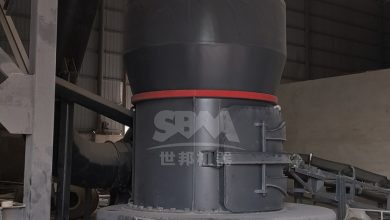
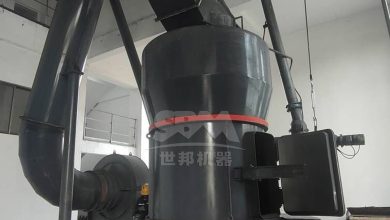
For barite grinding applications requiring high fineness and consistent quality, we recommend our SCM Ultrafine Mill series. This advanced vertical mill technology is specifically engineered for producing barite powders in the range of 325-2500 mesh (D97≤5μm), making it ideal for high-value barite applications.
Key Advantages for Barite Processing
The SCM Ultrafine Mill delivers exceptional performance for barite grinding through several key features:
- High Efficiency & Energy Savings: With capacity twice that of jet mills and 30% lower energy consumption, the SCM series significantly reduces operating costs for barite producers. The intelligent control system automatically maintains target product fineness despite variations in feed material characteristics.
- Precision Classification: The vertical turbine classifier ensures precise particle size cuts with no coarse powder contamination, producing barite with exceptionally uniform particle size distribution – a critical requirement for drilling fluid applications.
- Durable Construction: Specially formulated materials for rollers and grinding rings provide extended service life when processing abrasive barite ore. The bearingless screw grinding chamber design ensures stable operation and minimal maintenance requirements.
- Environmental Compliance: With pulse dust collection efficiency exceeding international standards and noise levels below 75dB, the SCM series meets the most stringent environmental regulations for barite processing facilities.
Technical Specifications
The SCM series offers multiple models to match various production requirements for barite processing:
- SCM800: 0.5-4.5 ton/h capacity, 75kW main motor power
- SCM900: 0.8-6.5 ton/h capacity, 90kW main motor power
- SCM1000: 1.0-8.5 ton/h capacity, 132kW main motor power
- SCM1250: 2.5-14 ton/h capacity, 185kW main motor power
- SCM1680: 5.0-25 ton/h capacity, 315kW main motor power
All models accept barite feed material up to 20mm and produce finished product ranging from 325 to 2500 mesh, covering the complete spectrum of barite powder specifications for industrial applications.
Alternative Solution: MTW Series Trapezium Mill
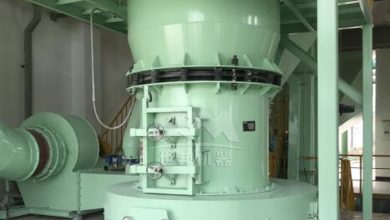
For barite processing operations requiring coarser products or higher throughput capacities, our MTW Series Trapezium Mill provides an excellent alternative. This robust vertical mill technology handles barite feed up to 50mm and produces powders from 30-325 mesh (up to 0.038mm), with capacities ranging from 3-45 tons per hour depending on model selection.
Distinctive Features for Barite Applications
- Anti-Wear Shovel Design: Combined shovel blades reduce maintenance costs while curved designs extend roller service life when processing abrasive barite ore.
- Optimized Air Channel: The curved air channel minimizes energy loss with high-strength guard plates protecting working surfaces from barite abrasion.
- Integrated Bevel Gear Transmission: Achieving 98% transmission efficiency, this compact design reduces installation costs and footprint requirements.
- Wear-Resistant Volute Structure: The obstruction-free design improves air classification efficiency while reducing maintenance costs by 30% compared to conventional designs.
Conclusion
Vertical roller mills represent the state-of-the-art in barite grinding technology, offering unparalleled efficiency, product quality, and operational flexibility. Their working principle – combining compression grinding with integrated classification and drying – makes them ideally suited to barite’s specific processing requirements.
The selection of appropriate vertical mill technology depends on the target product specifications, production capacity requirements, and economic considerations. For ultra-fine barite products, the SCM Ultrafine Mill series delivers exceptional performance, while the MTW Series Trapezium Mill provides robust solutions for coarser products and higher throughput applications.
As barite applications continue to evolve and quality requirements become more stringent, vertical mill technology will remain at the forefront of barite processing, driving efficiency improvements and enabling producers to meet the demanding specifications of modern industrial applications.