What is the Production Capacity of a Vertical Roller Mill for Grinding Slag Powder in Tons Per Hour?
Introduction to Slag Powder Production
Slag powder, a byproduct of steel production, has become an essential component in modern construction materials due to its cementitious properties when finely ground. The production capacity of vertical roller mills for grinding slag powder is a critical consideration for industrial operations seeking to optimize their processes. This comprehensive analysis examines the factors influencing production rates and provides detailed technical specifications for various mill configurations.
Understanding Vertical Roller Mill Capacity for Slag Processing
The production capacity of vertical roller mills for slag powder grinding varies significantly based on multiple factors including mill design, slag characteristics, and desired fineness. Generally, capacities range from as low as 4-6 tons per hour for smaller installations to over 100 tons per hour for large-scale industrial operations. The specific energy consumption typically falls between 35-50 kWh/t for producing slag powder with a specific surface area of 420-450 m²/kg.
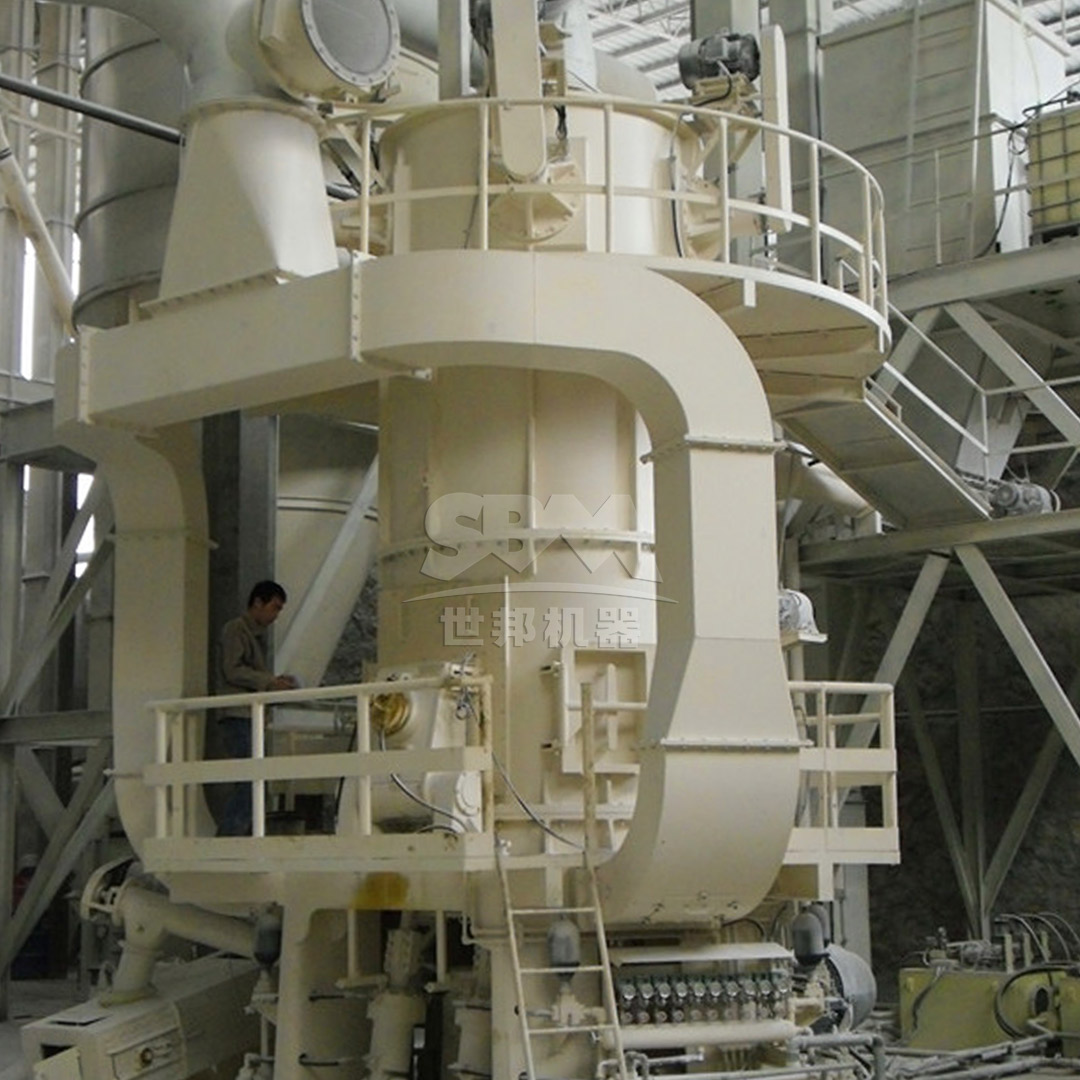
Key parameters affecting production capacity include:
- Moisture content of feed material (optimal: <15%)
- Hardness and grindability of slag (Bond Work Index typically ≤23 kWh/t)
- Required product fineness (specific surface area)
- Mill design and grinding element configuration
- Classifier efficiency and system integration
Technical Specifications of Vertical Slag Mills
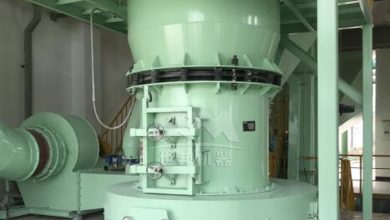
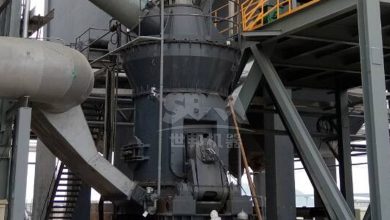
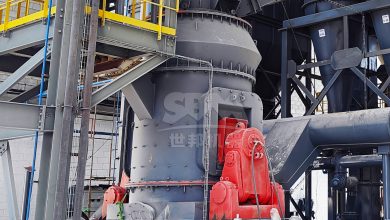
Vertical roller mills specifically designed for slag grinding incorporate specialized features to handle the abrasive nature of slag while maintaining efficient operation. Our company’s LM Series Vertical Slag Mills offer comprehensive solutions with capacities precisely matched to production requirements.
LM Series Vertical Slag Mill Capacity Analysis
The LM Series represents our flagship technology for slag grinding applications, with models specifically engineered to handle the unique challenges of slag processing:

- LM130N: With a 1700mm grinding table diameter, this model delivers 4-6 tons per hour capacity, powered by a 200-250kW main motor. Ideal for small to medium operations requiring consistent quality.
- LM150N: Featuring a 1900mm grinding table, this unit increases output to 6-8 tons per hour with 280-315kW motor power, offering enhanced efficiency for growing production needs.
- LM170N: The 2100mm grinding table configuration provides 8-10 tons per hour capacity, supported by a robust 400-450kW main motor for medium-scale operations.
- LM190N: With a 2400mm grinding table, this model achieves 10-12 tons per hour output, powered by a 500-560kW motor system for substantial production requirements.
- LM220N: The 2800mm grinding table design significantly boosts capacity to 20-26 tons per hour, utilizing 900-1000kW motor power for large industrial applications.
- LM280N: Featuring an expansive 3500mm grinding table, this high-capacity model delivers 50-60 tons per hour, driven by a powerful 1800-2000kW motor system.
- LM370N: Our largest slag mill with a massive 4500mm grinding table achieves exceptional output of 90-110 tons per hour, powered by a 3150-3300kW motor for maximum production scale.
Factors Influencing Production Capacity
Material Characteristics
The chemical and physical properties of slag significantly impact grinding efficiency and ultimate production capacity. Key considerations include:
- Chemical Composition: Iron content should optimally be ≤1% to minimize wear on grinding elements
- Moisture Content: Incoming slag should maintain <15% moisture to ensure efficient drying during grinding
- Grindability: The Bond Work Index typically ranges between 18-23 kWh/t for blast furnace slag
- Feed Size Distribution
Product Quality Requirements
The required fineness of the final product directly affects throughput capacity. Higher specific surface areas (typically 420-450 m²/kg for slag cement applications) reduce production rates due to increased grinding resistance and classifier recirculation.
Advanced Technologies Enhancing Capacity
Modern vertical roller mills incorporate several technological advancements that optimize production capacity while maintaining product quality:
Intelligent Control Systems
Expert automatic control systems continuously monitor and adjust operational parameters including grinding pressure, classifier speed, and feed rate to maintain optimal performance under varying conditions. These systems support remote operation and reduce the need for manual intervention.
High-Efficiency Classifiers
Dynamic classifiers with multiple regulation stages ensure precise particle size control while minimizing recirculation of fine material, thereby increasing effective capacity. The advanced design reduces pressure drop and power consumption.

Wear Protection Systems
Specialized wear protection for grinding elements significantly extends maintenance intervals, reducing downtime and maintaining consistent capacity over extended operational periods. Our mills feature:
- Hardfaced grinding rollers and table segments
- Optimized material composition for slag applications
- Quick-change systems for reduced maintenance time
Comparative Analysis with Alternative Grinding Technologies
When evaluating production capacity, it’s essential to consider how vertical roller mills compare to traditional grinding systems:
Versus Ball Mills
Vertical roller mills typically offer 30-50% higher capacity per unit of installed power compared to ball mills of equivalent size. Additionally, VRMs provide superior drying capacity and more precise particle size distribution control.
Versus Horizontal Roller Mills
The vertical configuration offers significant advantages in footprint requirements, maintenance accessibility, and system integration. Capacity comparisons show VRMs achieve 15-25% higher throughput in equivalent installations.
Recommended Solutions for Various Production Requirements
For Medium-Scale Operations (5-15 tph)
Our LM170N Vertical Slag Mill represents an optimal solution for operations requiring 8-10 tons per hour capacity. This model balances investment cost with operational efficiency, featuring:
- 2100mm grinding table diameter for stable operation
- 400-450kW main motor power
- Integrated drying capability for slag with up to 15% moisture
- Compact design reducing installation footprint by 40% compared to traditional systems
For Large-Scale Production (20-60 tph)
The LM220N Vertical Slag Mill delivers exceptional performance for high-volume applications requiring 20-26 tons per hour capacity. Key features include:
- 2800mm grinding table for maximum material throughput
- 900-1000kW main motor power
- Advanced hydraulic system for precise grinding pressure control
- Hot gas generator integration for efficient drying of high-moisture slag
Optimization Strategies for Maximum Capacity
Several operational strategies can enhance the production capacity of vertical roller mills for slag grinding:
Process Parameter Optimization
- Maintain optimal grinding pressure (typically 50-100 bar depending on slag characteristics)
- Optimize classifier speed to balance product quality and throughput
- Control gas flow and temperature for efficient material transport and drying
Maintenance Planning
Proactive maintenance scheduling ensures consistent capacity by addressing wear components before they impact performance. Key elements include:
- Regular inspection of grinding elements
- Classifier blade condition monitoring
- Systematic lubrication management
Economic Considerations
The production capacity of vertical roller mills directly influences project economics through:
- Capital Investment: Higher capacity mills require greater initial investment but offer lower cost per ton in large-scale operations
- Operating Costs: Energy consumption typically ranges from 35-50 kWh per ton of slag powder produced
- Maintenance Costs
Future Trends in Slag Grinding Capacity
Technological advancements continue to push the boundaries of vertical roller mill capacity for slag grinding:
- Development of larger mill designs exceeding 150 tph capacity
- Integration of artificial intelligence for real-time optimization
- Advanced materials extending wear component lifetime
- Hybrid grinding systems combining multiple technologies
Conclusion
The production capacity of vertical roller mills for grinding slag powder spans a wide range from 4-6 tons per hour to over 100 tons per hour, with selection dependent on specific operational requirements, slag characteristics, and product specifications. Our company’s LM Series Vertical Slag Mills offer comprehensive solutions across this capacity spectrum, incorporating advanced technologies to maximize efficiency, reliability, and product quality. For operations requiring specialized fine powder production with capacities ranging from 0.5-25 tons per hour, our SCM Series Ultrafine Mill provides exceptional performance for applications demanding finer particle sizes from 325-2500 mesh. Proper mill selection, combined with optimized operation and maintenance practices, ensures maximum production capacity and economic return throughout the equipment lifecycle.