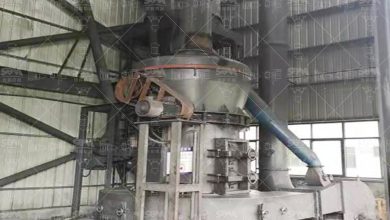
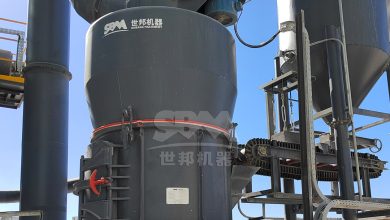
How to Choose a Guilin High Calcium Stone Grinding Mill Production Line
Introduction to High Calcium Stone Processing
High calcium stone, also known as high-calcium limestone, is a valuable industrial mineral with calcium carbonate (CaCO3) content typically exceeding 95%. This premium material finds extensive applications in construction, pharmaceuticals, food additives, plastics, paints, and paper industries. The selection of an appropriate grinding mill production line is crucial for achieving optimal product quality, operational efficiency, and economic viability. This comprehensive guide explores the key considerations for choosing the right Guilin high calcium stone grinding mill production line.
Understanding High Calcium Stone Characteristics
Before selecting grinding equipment, it’s essential to understand the unique properties of high calcium stone that influence processing requirements:
Physical and Chemical Properties
High calcium stone typically exhibits Mohs hardness of 2.5-3, density of 2.6-2.8 g/cm³, and white or light-colored appearance. Its chemical composition is predominantly CaCO3 with minimal impurities like silica, iron, and magnesium. The material has low abrasiveness compared to other minerals but requires careful handling to maintain product purity.
Grinding Behavior
High calcium stone is relatively soft and brittle, making it suitable for various grinding technologies. However, its tendency to generate heat during processing requires cooling systems to prevent degradation of material properties. The moisture content of raw material also significantly impacts grinding efficiency and final product quality.
Key Factors in Production Line Selection
Production Capacity Requirements
The required production capacity is the primary determinant in equipment selection. Small-scale operations (1-5 tons/hour) have different requirements compared to medium (5-50 tons/hour) or large-scale operations (50+ tons/hour). Consider both current needs and future expansion possibilities when selecting equipment.
Final Product Specifications
Different applications demand specific particle size distributions:
- Coarse powders (30-200 mesh): Suitable for construction materials, agricultural applications
- Medium fines (200-400 mesh): Used in plastics, rubber, paints
- Fine powders (400-1250 mesh): Required for paper coating, adhesives
- Ultrafine powders (1250-2500+ mesh): Essential for pharmaceuticals, high-end cosmetics, specialty chemicals
Energy Efficiency Considerations
Grinding operations account for significant energy consumption in mineral processing. Modern grinding systems offer advanced energy-saving technologies that can reduce power consumption by 30-50% compared to conventional equipment. Consider both initial investment and long-term operational costs.
Space and Layout Constraints
The physical footprint of the production line must align with available space. Vertical mill systems typically offer compact designs, while traditional ball mills require more horizontal space. Also consider material flow, accessibility for maintenance, and potential for future expansion.
Components of a Complete Production Line
Crushing System
Primary crushing reduces raw high calcium stone from quarry size (typically 200-500mm) to manageable feed size for grinding mills (≤50mm). Jaw crushers, impact crushers, or hammer mills are commonly employed based on material characteristics and capacity requirements.
Grinding Mill Selection
The heart of any production line, grinding mills transform crushed material into the desired fineness. The choice depends on required product fineness, capacity, and specific application requirements.
Classification System
Air classifiers separate fine particles from coarse material, ensuring consistent product quality. Modern classifiers offer high precision with cut points from 1μm to 150μm, with efficiency exceeding 90%.
Dust Collection and Environmental Controls
Comprehensive dust collection systems are essential for product recovery, environmental compliance, and worker safety. Pulse-jet baghouse filters with efficiency >99.9% are standard in modern installations.
Material Handling and Storage
Complete systems include conveyors, elevators, silos, and packaging equipment tailored to production scale and automation requirements.
Recommended Grinding Solutions for High Calcium Stone
SCM Series Ultrafine Mill for High-Precision Applications
For operations requiring ultrafine powders with precise particle size control, our SCM Series Ultrafine Mill represents the pinnacle of grinding technology. This advanced system produces powders ranging from 325 to 2500 mesh (D97≤5μm) with exceptional uniformity and quality.
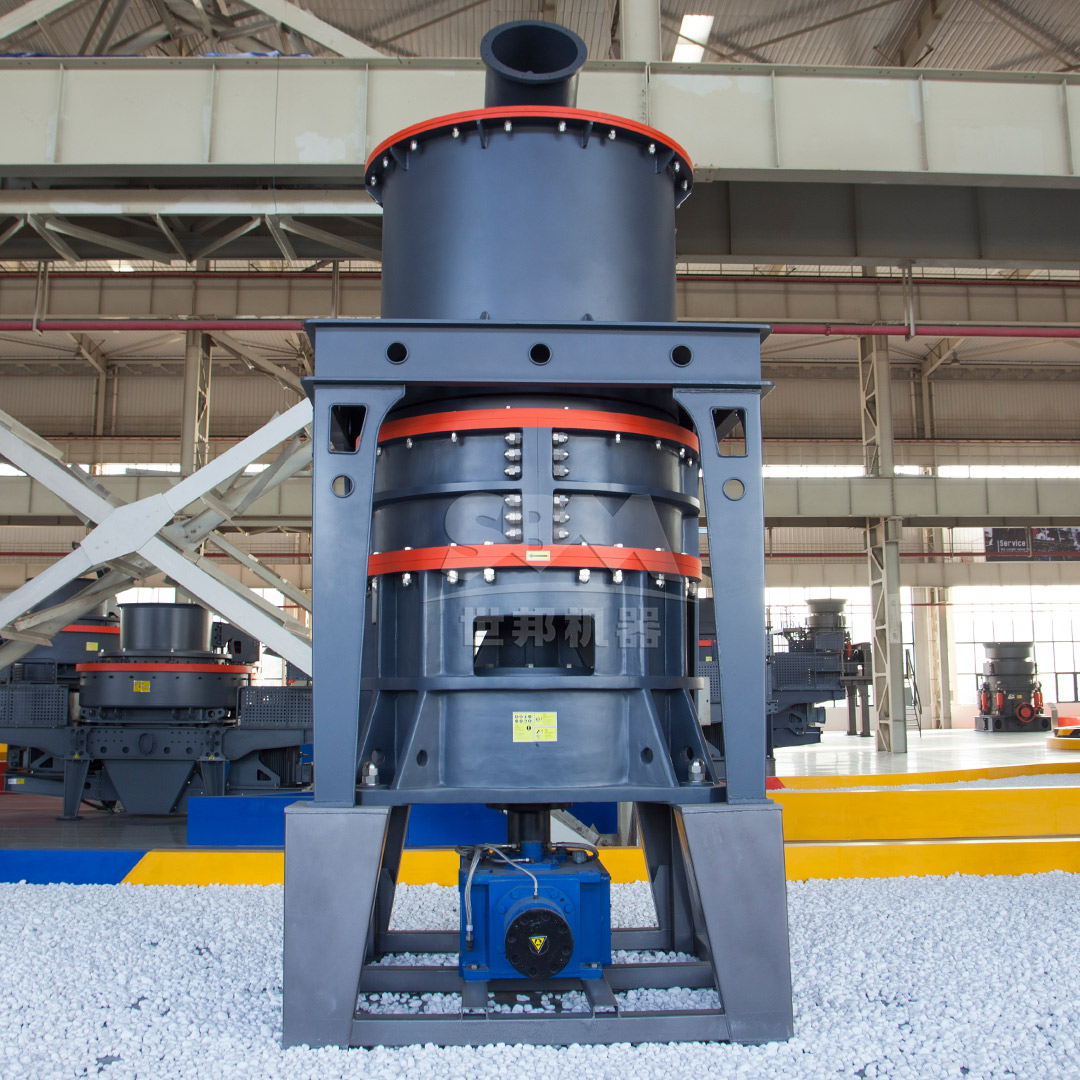
The SCM Ultrafine Mill incorporates several technological innovations specifically beneficial for high calcium stone processing:
- High-Efficiency Grinding Mechanism: The unique three-layer grinding ring design with multiple grinding rollers ensures progressive size reduction, minimizing energy consumption while maximizing output.
- Intelligent Control System: Advanced automation maintains consistent product quality by continuously monitoring and adjusting operational parameters.
- Vertical Turbine Classifier: Provides precise particle size separation with no coarse powder contamination, critical for high-value applications.
- Enhanced Durability: Specialized wear-resistant materials in grinding components significantly extend service life, reducing maintenance costs.
With models ranging from SCM800 (0.5-4.5 ton/h) to SCM1680 (5.0-25 ton/h), this series offers scalable solutions for various production requirements. The system’s environmental performance, with noise levels below 75dB and pulse dust collection exceeding international standards, makes it suitable for installations in regulated environments.
MTW Series Trapezium Mill for High-Capacity Operations
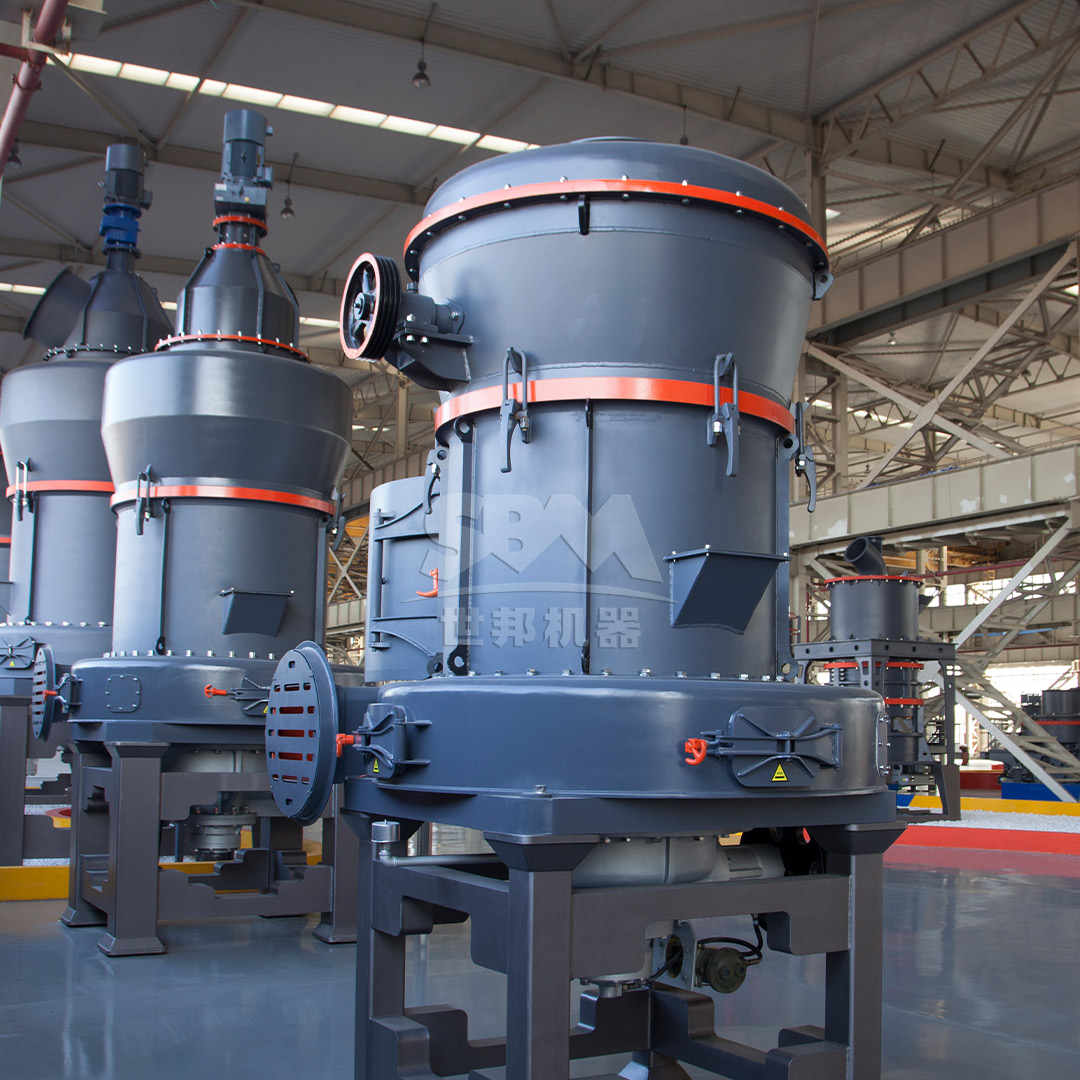
For large-scale production of high calcium stone powders in the 30-325 mesh range, our MTW Series Trapezium Mill delivers exceptional performance and reliability. With capacities from 3 to 45 tons per hour, this robust system is engineered for continuous operation in demanding industrial environments.
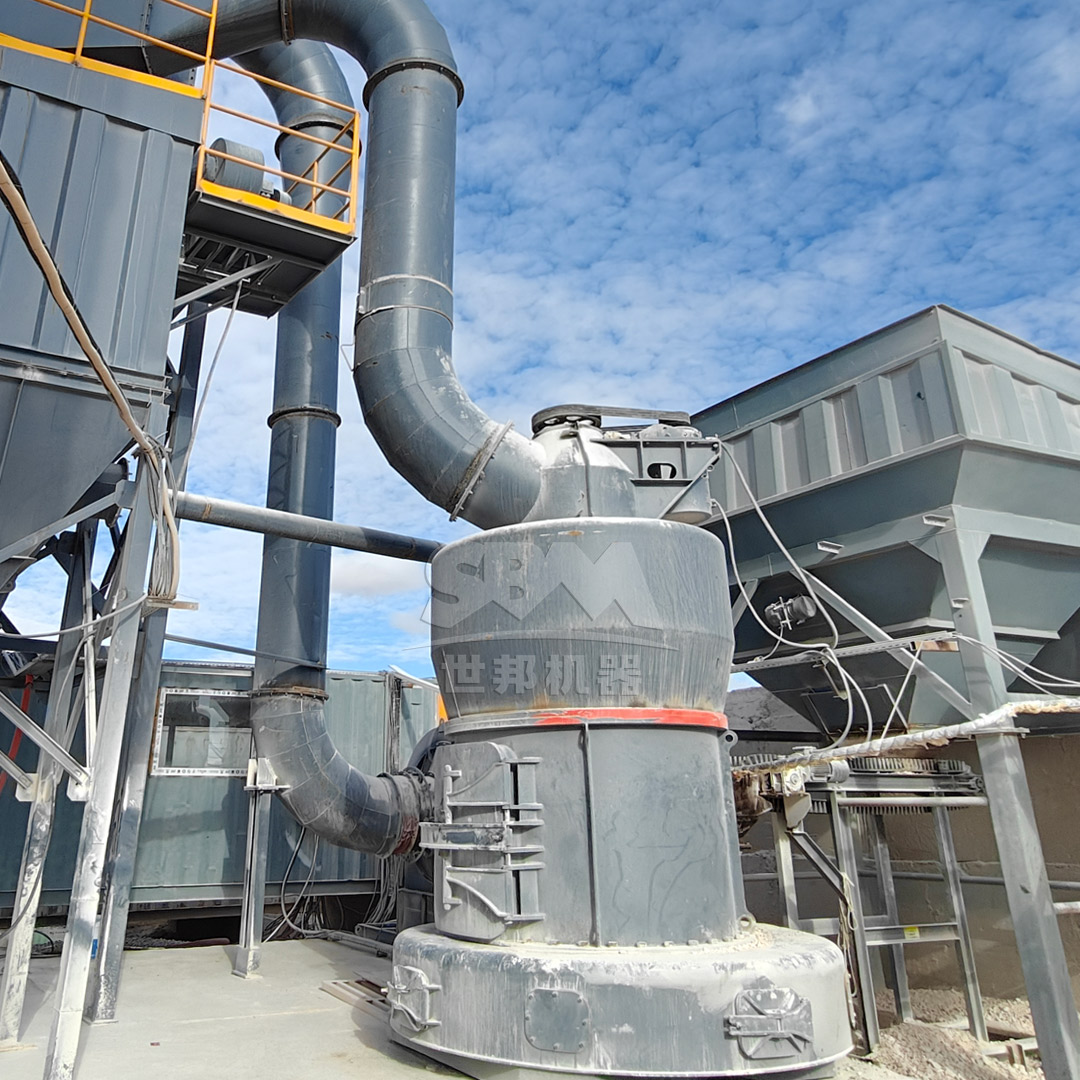
Key advantages of the MTW Series for high calcium stone processing include:
- Advanced Wear Protection: Curved shovel blade design and combination wear parts reduce maintenance frequency and operating costs.
- Optimized Airflow Path: The弧形风道(curved air channel) design minimizes energy loss and improves material transport efficiency.
- High-Efficiency Drive System:锥齿轮整体传动(Bevel gear integral transmission) achieves 98% transmission efficiency with compact footprint.
- Intelligent Grading System: Precise particle size control ensures consistent product quality across the entire fineness range.
The MTW Series includes multiple models from MTW110 (3-9 ton/h) to MRN218 (15-45 ton/h), allowing precise matching to production requirements. The system’s patented technologies, including internal oil lubrication and advanced pulse dust collection, ensure reliable operation with minimal environmental impact.
Technical Comparison of Grinding Solutions
| Parameter | SCM Ultrafine Mill | MTW Trapezium Mill | Ball Mill | LM Vertical Mill |
|---|---|---|---|---|
| Output Fineness | 325-2500 mesh | 30-325 mesh | 200-400 mesh | 30-600 mesh |
| Capacity Range | 0.5-25 t/h | 3-45 t/h | 0.65-450 t/h | 3-250 t/h |
| Energy Consumption | 30-40 kWh/t | 25-35 kWh/t | 45-60 kWh/t | 28-38 kWh/t |
| Noise Level | ≤75 dB | ≤80 dB | ≥95 dB | ≤80 dB |
| Space Requirement | Medium | Medium-Large | Large | Compact |
Case Study: Optimizing High Calcium Stone Processing
A recent installation for a major industrial minerals producer demonstrates the effectiveness of proper equipment selection. The operation required production of both coarse (100-200 mesh) and fine (600-800 mesh) high calcium stone powders from the same raw material source.
The solution incorporated a two-stage process:
- Primary grinding using an MTW175G Trapezium Mill for coarse powder production
- Secondary processing with an SCM1000 Ultrafine Mill for fine powder applications
This configuration achieved:
- 35% reduction in specific energy consumption compared to previous ball mill system
- 99.2% product quality consistency meeting pharmaceutical-grade specifications
- 45% reduction in maintenance costs through improved wear part life
- Full compliance with environmental regulations for dust emissions
Installation and Operational Considerations
Site Preparation
Proper foundation design is critical for grinding mill installation. Concrete foundations must accommodate dynamic loads and vibration. Adequate space for maintenance access and component replacement should be incorporated during planning.
Utility Requirements
Grinding systems require substantial electrical power, compressed air for controls and cleaning, and potentially water for cooling systems. Ensure utility capacity matches equipment requirements with appropriate safety margins.
Operator Training and Safety
Comprehensive training for operational and maintenance personnel ensures optimal performance and safety. Modern grinding systems incorporate multiple safety interlocks and monitoring systems, but proper procedures remain essential.
Future Trends in High Calcium Stone Processing
The grinding industry continues to evolve with several emerging trends:
- Digitalization and IoT Integration: Real-time monitoring of equipment performance and predictive maintenance
- Energy Recovery Systems: Capturing and reusing waste heat from grinding processes
- Advanced Classification Technologies:Improved efficiency in particle separation
- Sustainable Operations: Reduced carbon footprint through optimized processes and renewable energy integration
Conclusion
Selecting the appropriate grinding mill production line for high calcium stone processing requires careful consideration of multiple factors including production requirements, product specifications, energy efficiency, and operational costs. The SCM Series Ultrafine Mill and MTW Series Trapezium Mill represent two excellent solutions tailored to different application needs within the high calcium stone market.
By understanding material characteristics, production goals, and available technologies, operators can implement systems that deliver optimal performance, product quality, and economic returns. As technology continues to advance, staying informed about new developments ensures ongoing competitiveness in this dynamic industry.
For specific application recommendations or technical consultation regarding high calcium stone processing, our engineering team provides comprehensive support from initial concept through commissioning and ongoing operation.