How is Silicon Carbide Powder Produced? The Production Process and the Role of Raymond Mill
Introduction to Silicon Carbide
Silicon carbide (SiC), also known as carborundum, is a synthetic compound of silicon and carbon renowned for its exceptional hardness, thermal conductivity, and chemical inertness. Its production is a high-temperature, energy-intensive process that yields a material crucial for applications in abrasives, refractories, ceramics, and increasingly, in semiconductors and advanced electronics. The journey from raw materials to a finely graded, commercially viable powder involves several critical stages, with milling being paramount for achieving the desired particle size distribution. This article delves into the complete production chain of silicon carbide powder, with a specific focus on the grinding process and the technological advancements in milling equipment that make it efficient and precise.
The Acheson Process: Primary Production of Silicon Carbide
The predominant method for manufacturing silicon carbide on an industrial scale is the Acheson process, named after its inventor, Edward G. Acheson. This electrochemical reaction requires immense thermal energy.
Raw Material Preparation
The primary ingredients are high-purity quartz sand (SiO₂, approximately 99.5% purity) and petroleum coke (C, a carbon source). To facilitate the reaction and remove impurities, sawdust and sodium chloride (salt) are often added. The sawdust creates porosity in the reaction mix, allowing gases to escape, while the salt acts as a scavenger for iron and aluminum impurities, forming volatile chlorides.
The Core Reaction
The mixture is loaded into a large, rectangular graphite core resistance furnace. An electric current is passed through the graphite core, which heats the surrounding mixture to temperatures between 1600°C and 2500°C (2900°F – 4500°F). The process can take several days. The fundamental chemical reaction is:
SiO₂ + 3C → SiC + 2CO
The reaction is endothermic and produces carbon monoxide gas as a byproduct. The resulting silicon carbide forms large, cylindrical crystals around the graphite core, with the highest purity material found closest to the core. The outer layers consist of lower-grade material with unreacted components.
Crushing and Primary Sizing
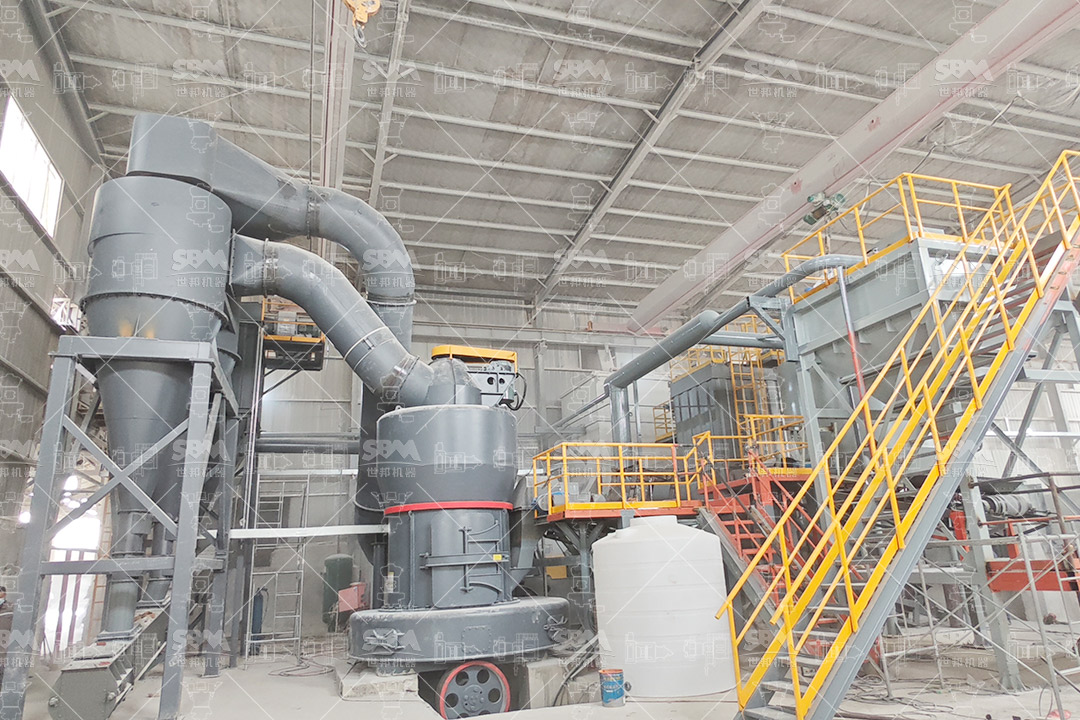
After cooling, the massive SiC ingot is extracted and meticulously sorted based on purity and crystal size. It is then subjected to a series of crushing operations. Jaw crushers and cone crushers are typically used for primary and secondary crushing to reduce the large lumps to a manageable size of a few centimeters. This step is crucial for preparing the feed for the subsequent fine-grinding stages.
The Grinding Stage: From Granules to Precision Powder
The crushed silicon carbide is extremely hard (9.5 on the Mohs scale, second only to diamond), making the grinding process both challenging and critical. The choice of milling technology directly impacts the final powder’s quality, yield, and production cost.
Traditional Raymond Mill (Pendulum Roller Mill)
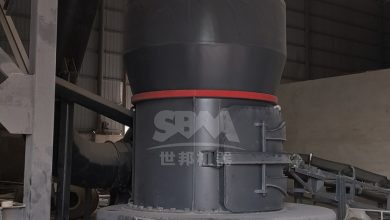
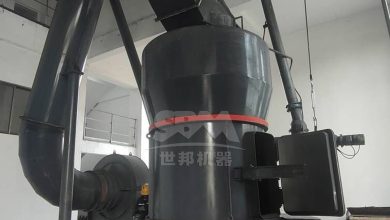
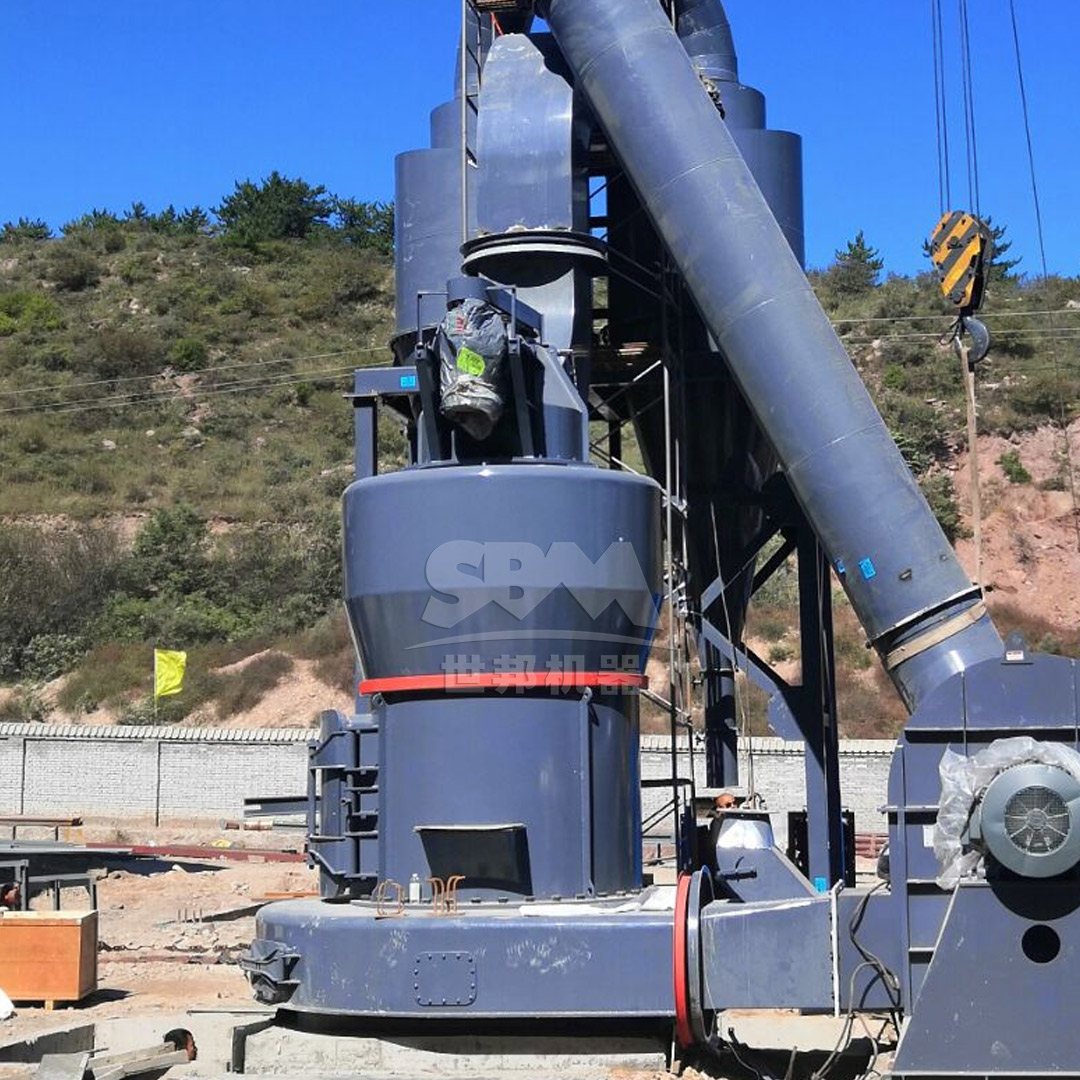
The Raymond mill, or pendulum roller mill, has been a workhorse in the milling industry for decades. Its principle of operation is based on centrifugal force. The main unit drives a central vertical shaft with suspended grinding rollers. As the shaft rotates, the rollers swing outward and press against a stationary grinding ring. The material is fed into the grinding chamber and is pulverized between the rollers and the ring. A built-in classifier allows the fine powder to pass through while returning oversized particles for further grinding.
Advantages for SiC:
- Robustness: Designed to handle moderately abrasive materials.
- Continuous Operation: Suitable for high-volume production.
- Established Technology: Well-understood and widely available.
Limitations for Modern SiC Applications:
- Limited Fineness: Traditional models struggle to achieve consistent sub-10-micron (over 1000 mesh) fineness required for advanced ceramics.
- Grinding Element Wear: The extreme hardness of SiC leads to rapid wear of rollers and rings, increasing maintenance downtime and the risk of metallic contamination.
- Energy Inefficiency: At higher fineness requirements, the energy consumption per ton of product can become prohibitively high.
Advanced Milling Solutions for High-Performance Silicon Carbide
To overcome the limitations of traditional mills and meet the stringent demands of modern industry, advanced grinding technologies have been developed. For producers seeking superior efficiency, precision, and product quality, our SCM Series Ultrafine Mill represents the pinnacle of milling technology for materials like silicon carbide.
SCM Ultrafine Mill: Engineered for Excellence
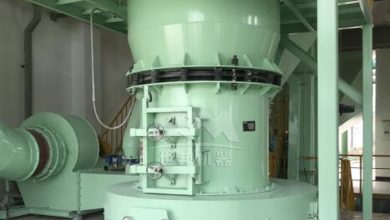
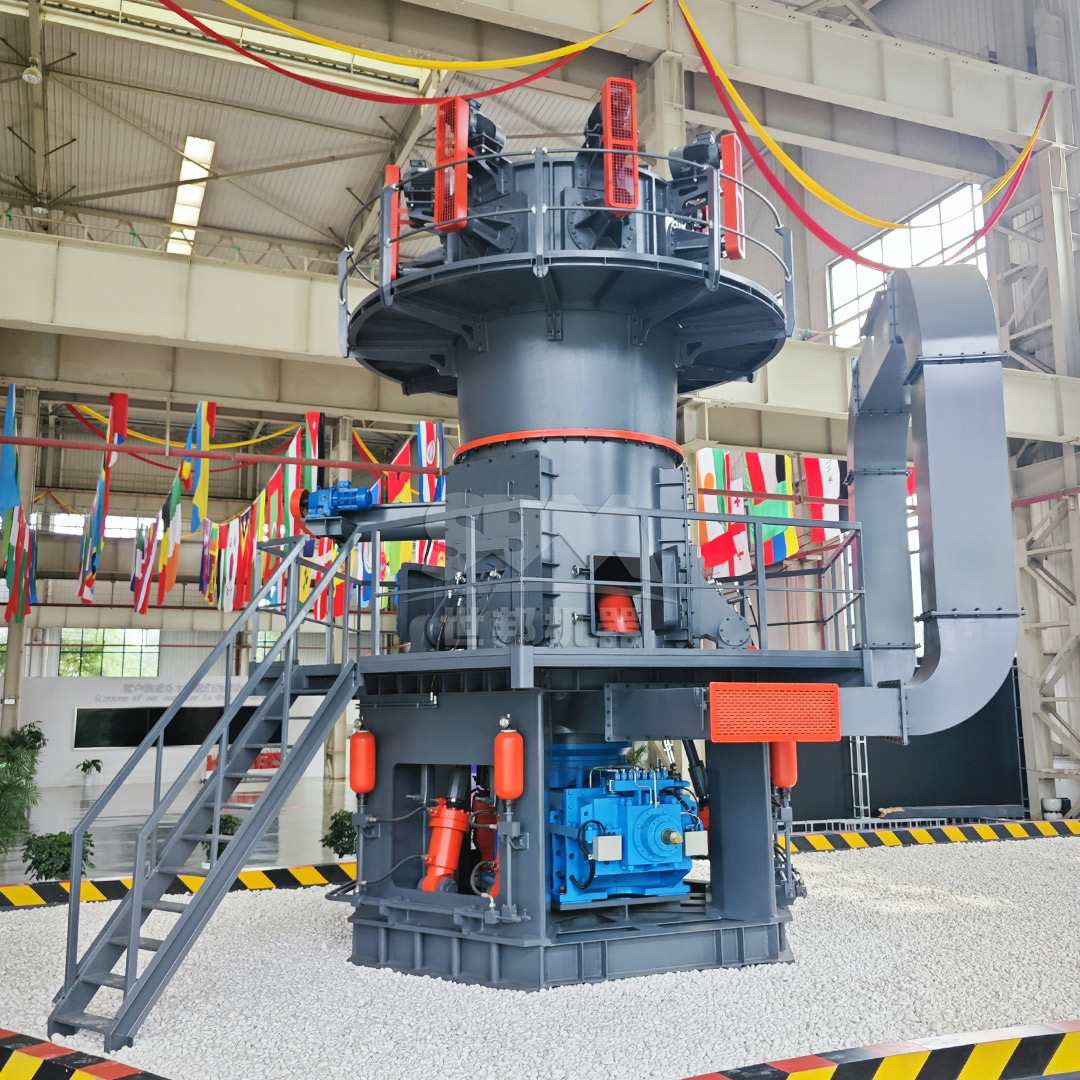
Our SCM Ultrafine Mill is specifically designed to produce fine and ultra-fine powders from hard and abrasive materials. It is an ideal solution for producing high-value silicon carbide powders with a fineness range of 325 to 2500 mesh (D97 ≤ 5μm).
Key Technological Advantages:
- High-Efficiency & Energy Saving: Compared to traditional mills or jet mills, the SCM mill offers double the capacity with 30% lower energy consumption. Its intelligent control system automatically monitors and adjusts to maintain the target particle size.
- High-Precision Classification: Equipped with a vertical turbine classifier, it ensures precise particle size cuts. The result is a consistently uniform product with no coarse powder contamination.
- Durable, Low-Maintenance Design: The grinding rollers and ring are made from special wear-resistant materials, extending their service life multiple times over standard components. The innovative no-bearing screw design in the grinding chamber enhances operational stability.
- Environmental Friendliness: The integrated pulse dust collector exceeds international efficiency standards, and the soundproof room design keeps operational noise below 75dB.
Model Specifications (Examples):
- SCM800: Capacity 0.5-4.5 t/h, Main Motor Power 75kW
- SCM1000: Capacity 1.0-8.5 t/h, Main Motor Power 132kW
- SCM1680: Capacity 5.0-25 t/h, Main Motor Power 315kW
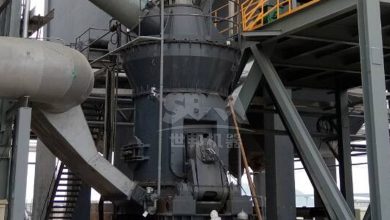
For operations requiring high capacity in a slightly coarser range, our MTW Series Trapezium Mill is another excellent choice. With an output fineness of 30-325 mesh and a robust design featuring curved air ducts and a cone gear overall transmission, it provides a highly efficient and reliable grinding solution for various industrial applications.
Post-Processing: Washing, Acid Treatment, and Classification
After milling, the silicon carbide powder often undergoes further treatment.
- Washing and Acid Treatment: To remove residual impurities like iron, free silicon, or silica, the powder is treated with hydrofluoric acid, sulfuric acid, or other chemicals. Magnetic separation is also commonly used to extract metallic iron introduced during the crushing and milling processes.
- Precise Classification: For many applications, a tightly controlled particle size distribution is critical. Air classifiers or sieve sets are used to separate the milled powder into specific, narrow grade ranges. This step ensures the final product meets the exact specifications for its intended use, whether as a loose abrasive, a coating for grinding wheels, or a filler for high-strength ceramics.
Conclusion
The production of silicon carbide powder is a sophisticated process that begins with a high-temperature synthesis and culminates in precise size reduction and purification. While traditional Raymond mills have played a historical role, the evolution towards advanced milling technologies like our SCM Ultrafine Mill is essential for meeting the modern demands for finer, purer, and more consistent powders. By investing in the right grinding technology, producers can significantly enhance their product quality, improve operational efficiency, and reduce their environmental footprint, securing a competitive edge in the dynamic and demanding market for advanced materials.