Potassium Feldspar Deep Processing Grinding Mill Production Line and Application Areas
Introduction to Potassium Feldspar Processing
Potassium feldspar, also known as K-feldspar or orthoclase, is a crucial industrial mineral with extensive applications across various sectors. As a primary source of potassium in ceramics, glass manufacturing, and other industries, the demand for high-quality processed potassium feldspar continues to grow. The deep processing of potassium feldspar involves sophisticated grinding technologies to achieve the precise particle size distribution required by different end-use applications. This article explores the comprehensive production line for potassium feldspar deep processing and examines the key application areas that benefit from advanced grinding technologies.
Potassium Feldspar Characteristics and Processing Challenges
Potassium feldspar (KAlSi3O8) belongs to the tectosilicate mineral group and typically contains 10-15% K2O. Its Mohs hardness ranges from 6 to 6.5, presenting specific challenges in comminution processes. The mineral’s crystal structure and cleavage properties require specialized grinding equipment that can efficiently reduce particle size while maintaining product quality and minimizing energy consumption. Traditional processing methods often result in inconsistent particle size distribution, excessive energy usage, and contamination from grinding media wear.
Complete Production Line Configuration
Primary Crushing Stage
The potassium feldspar processing begins with primary crushing of raw materials extracted from mines. Jaw crushers are typically employed for initial size reduction, breaking down large feldspar rocks to manageable sizes of approximately 100-150mm. This stage is crucial for preparing the material for subsequent processing steps and ensuring uniform feed to the grinding circuit.
Secondary Crushing and Pre-Grinding
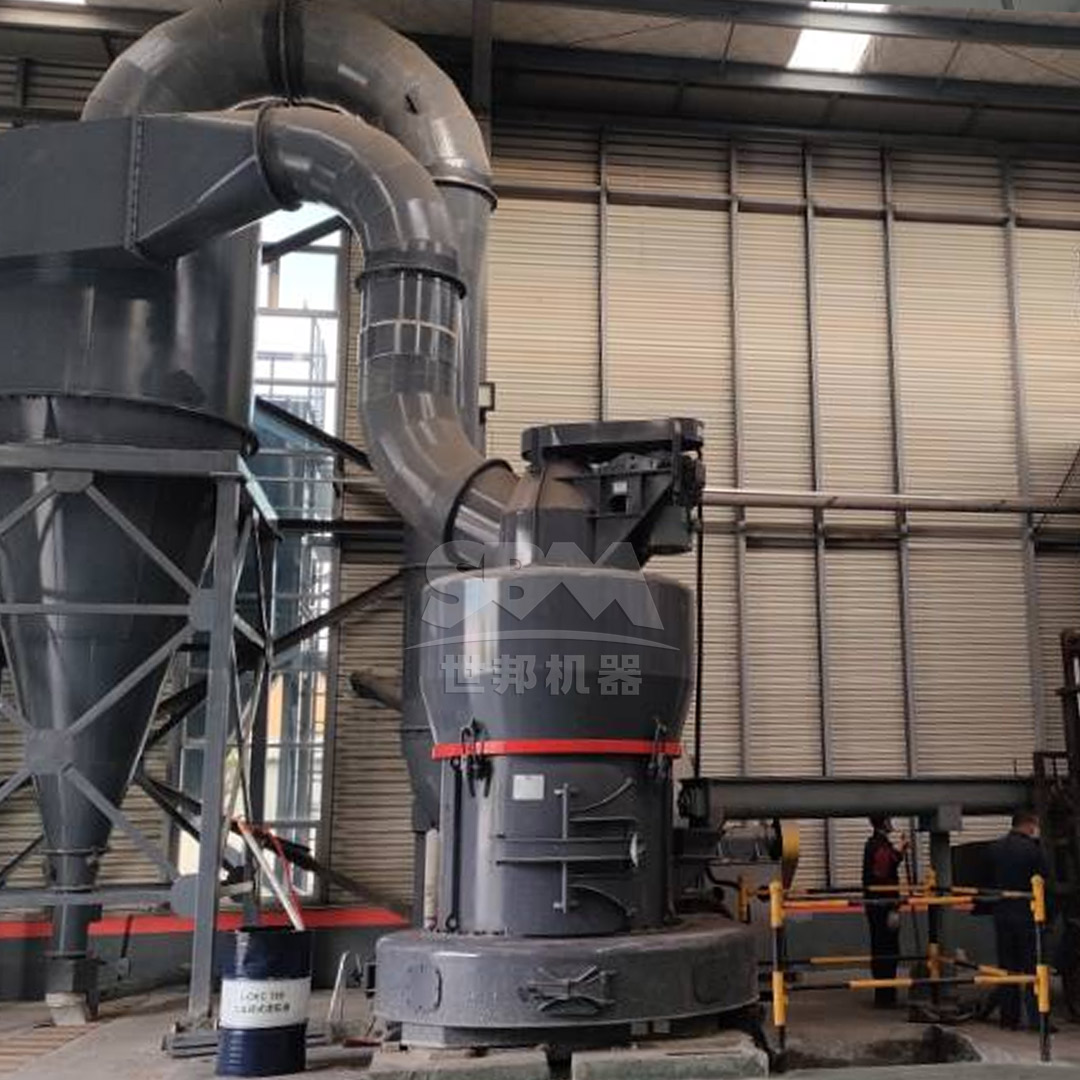
Following primary crushing, secondary crushing equipment such as cone crushers or impact crushers further reduce the material to 20-30mm. For operations requiring ultra-fine final products, pre-grinding with specialized equipment like our LM-Y Vertical Pre-grinding Roller Mill can significantly enhance overall process efficiency. This innovative equipment integrates crushing and grinding functions, reducing the material to optimal sizes for fine grinding while lowering energy consumption by 30-50% compared to conventional systems.
Fine Grinding Systems
The core of potassium feldspar deep processing lies in the fine grinding stage, where specialized mills transform the material into powders with precise particle size distributions. Depending on the target application and required fineness, different grinding technologies offer unique advantages:
Ultra-Fine Grinding Solutions
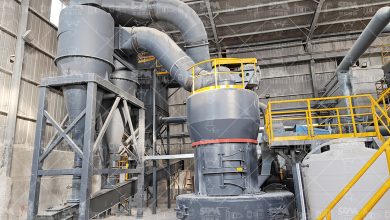
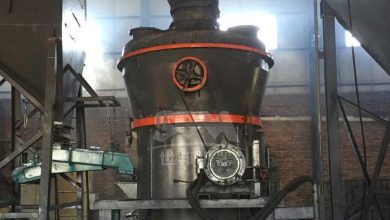
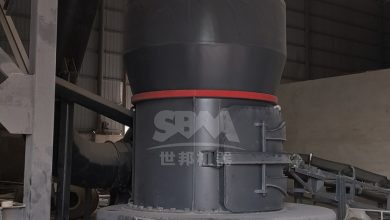
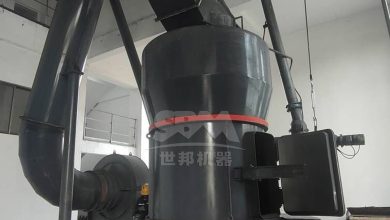
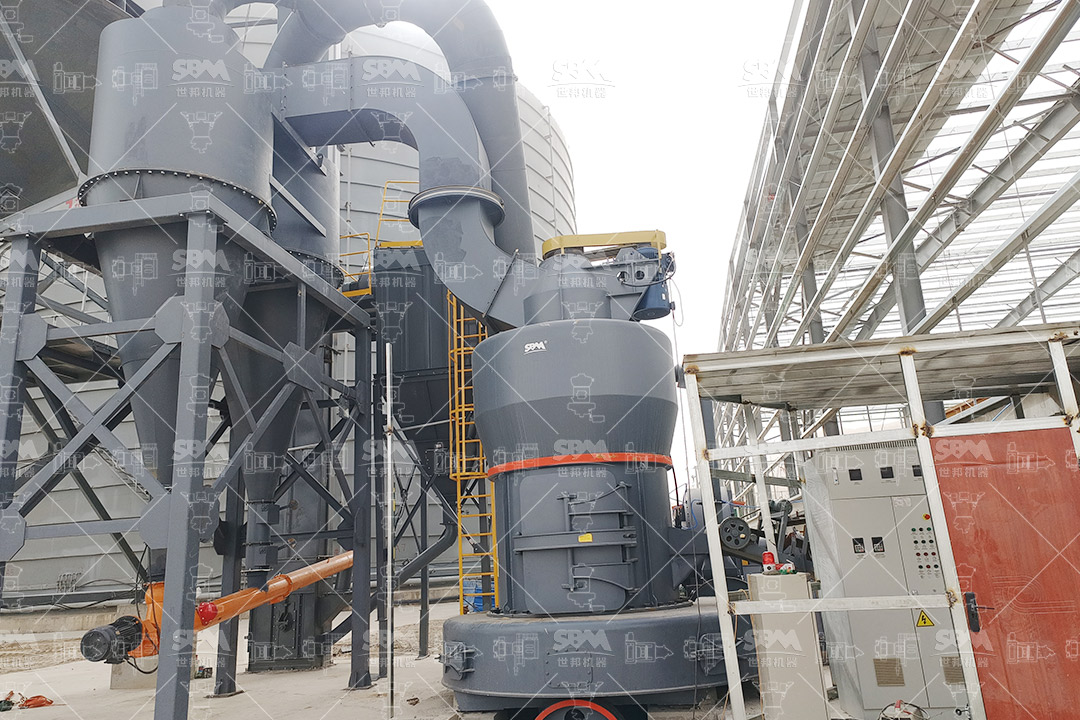
For applications requiring extremely fine powders (325-2500 mesh), our SCM Ultrafine Mill represents the optimal solution. This advanced grinding system features a vertical turbine classifier that enables precise particle size control with D97 ≤ 5μm. The mill’s unique grinding mechanism, employing multiple grinding rings and rollers, ensures uniform particle distribution while maintaining energy efficiency. With capacity ranging from 0.5 to 25 tons per hour depending on model specifications, the SCM series meets various production requirements while reducing energy consumption by 30% compared to conventional jet mills.
Medium-Fine Grinding Options
For applications requiring medium fineness (30-325 mesh), trapezium mills and vertical roller mills provide efficient solutions. Our MTW Series Trapezium Mill combines high throughput (3-45 t/h) with excellent particle size control, making it suitable for large-scale potassium feldspar processing operations. The mill’s curved air channel design minimizes energy loss while the combined shovel blade system reduces maintenance costs.
Classification and Separation
Following the grinding process, efficient classification systems separate particles according to size specifications. High-efficiency classifiers, whether integrated within the grinding mill or operating as standalone units, ensure precise cut points and consistent product quality. For potassium feldspar applications requiring multiple product fractions, multi-stage classification systems can be implemented to maximize product value and process efficiency.
Dust Collection and Environmental Controls
Modern potassium feldspar processing plants incorporate advanced dust collection systems to maintain clean working environments and meet stringent emission standards. Pulse-jet baghouse filters with collection efficiencies exceeding 99.9% are standard in well-designed facilities. These systems not only protect the environment but also enable the recovery of valuable product that would otherwise be lost.
Key Application Areas for Processed Potassium Feldspar
Ceramics Industry
The ceramics industry represents the largest consumer of processed potassium feldspar, where it serves as a vital fluxing agent in porcelain, sanitaryware, and tile manufacturing. In these applications, the particle size distribution and chemical purity of potassium feldspar significantly influence product quality, affecting vitrification temperature, mechanical strength, and thermal expansion properties. Ultra-fine grinding to 325-625 mesh ensures optimal melting characteristics and uniform distribution within ceramic bodies, resulting in superior finished products with enhanced mechanical properties and aesthetic qualities.
Glass Manufacturing
In glass production, potassium feldspar serves as a source of alumina (Al2O3), which improves product hardness, durability, and resistance to chemical corrosion. The material also provides potassium oxide, which acts as a flux to lower melting temperatures. For container glass, flat glass, and specialty glass applications, consistent particle size between 100-200 mesh ensures homogeneous melting and prevents defects in the final product. Advanced grinding systems with precise classification capabilities guarantee the consistent quality required by modern glass manufacturers.
Fillers and Extenders
Processed potassium feldspar finds extensive use as functional fillers and extenders in paints, plastics, rubber, and adhesives. In these applications, the mineral’s properties including chemical inertness, low oil absorption, and white color make it a valuable additive. Ultra-fine grades (1250-2500 mesh) with controlled particle size distribution improve reinforcement characteristics, surface finish, and weathering resistance in polymer composites while reducing material costs.
Welding Electrode Production
The welding industry utilizes finely ground potassium feldspar as a coating component for arc welding electrodes. In this specialized application, the mineral’s fluxing properties stabilize the arc and form protective slag during welding operations. Consistent particle size between 200-325 mesh ensures uniform coating application and predictable welding performance, making proper grinding and classification critical to product quality.
Technical Considerations for Grinding System Selection
Particle Size Requirements
Selecting the appropriate grinding technology begins with understanding the target particle size distribution for specific applications. For ceramic glazes and ultra-fine fillers requiring D90 < 10μm, ultra-fine grinding systems like our SCM Ultrafine Mill deliver optimal results. For glass batch and ceramic body applications where D50 ranges between 45-150μm, medium-fine grinding systems provide the best balance of performance and energy efficiency.
Production Capacity Planning
Matching grinding equipment capacity to production requirements is essential for economic operation. Our comprehensive product range, from compact SCM800 models (0.5-4.5 t/h) to large-scale LM340Y systems (80-100 t/h), ensures appropriate solutions for operations of all sizes. Proper capacity planning considers not only current requirements but also future expansion possibilities and market fluctuations.
Energy Efficiency Optimization
With energy costs representing a significant portion of operating expenses in mineral processing, selecting energy-efficient grinding technology is paramount. Modern vertical roller mills and ultra-fine grinding systems incorporate design features that minimize specific energy consumption while maintaining product quality. Our SCM Ultrafine Mill, for instance, reduces energy consumption by 30% compared to conventional jet milling systems while delivering equivalent or superior product quality.
Wear Protection and Maintenance
The abrasive nature of potassium feldspar necessitates robust wear protection in grinding systems. Advanced materials including high-chromium alloys, ceramic composites, and specialized hardfacing technologies extend component life and reduce maintenance requirements. Our grinding equipment incorporates these advanced materials in critical wear areas, significantly extending service intervals and reducing operating costs.
Future Trends in Potassium Feldspar Processing
Digitalization and Smart Manufacturing
The mineral processing industry is increasingly embracing digital technologies to optimize operations. Advanced process control systems, real-time monitoring, and predictive maintenance algorithms are becoming standard features in modern grinding plants. These technologies enable operators to maximize productivity, maintain consistent product quality, and minimize unplanned downtime.
Sustainability and Circular Economy
Environmental considerations are driving innovation in potassium feldspar processing. Energy-efficient grinding technologies, water recycling systems, and comprehensive dust collection solutions minimize the environmental footprint of processing operations. Additionally, research into utilizing feldspar tailings and byproducts supports circular economy principles while creating new revenue streams.
Product Diversification and Value Addition
Advanced grinding and classification technologies enable producers to create specialized potassium feldspar products with enhanced properties for niche applications. Surface modification, precise particle engineering, and tailored chemical compositions open new market opportunities in advanced ceramics, functional fillers, and specialty glass applications.
Conclusion
The deep processing of potassium feldspar requires sophisticated grinding technologies capable of delivering precise particle size distributions while maintaining economic viability. From ultra-fine applications in advanced ceramics to medium-fine requirements in glass manufacturing, selecting the appropriate grinding system is critical to product quality and process economics. Our comprehensive range of grinding equipment, including the advanced SCM Ultrafine Mill for superfine applications and robust MTW Series Trapezium Mill for high-capacity operations, provides solutions tailored to specific customer requirements. As industry demands evolve toward finer specifications, tighter quality control, and enhanced sustainability, continued innovation in grinding technology will support the growth and diversification of potassium feldspar applications across multiple industrial sectors.