What are the Uses of Lead Smelting Slag and Introduction of Superfine Powder Equipment
Introduction
Lead smelting slag, a byproduct generated during the lead production process, has long been considered an industrial waste with limited applications. However, with advancements in processing technologies and growing environmental awareness, this material has transformed into a valuable resource with multiple industrial applications. The key to unlocking the potential of lead smelting slag lies in efficient grinding and processing equipment that can transform this coarse material into high-value superfine powders suitable for various industrial applications.
Composition and Characteristics of Lead Smelting Slag
Lead smelting slag primarily consists of iron silicates, zinc oxides, and residual lead compounds, along with various other metal oxides. The chemical composition varies depending on the original ore and smelting process, but typically includes:
- Iron oxide (FeO, Fe2O3): 25-40%
- Silicon dioxide (SiO2): 20-35%
- Zinc oxide (ZnO): 5-15%
- Calcium oxide (CaO): 5-10%
- Aluminum oxide (Al2O3): 3-8%
- Residual lead compounds: 1-5%
The physical characteristics include high hardness (Mohs hardness 5-7), irregular particle shape, and varying particle size distribution. These properties make the material challenging to process but also contribute to its valuable applications when properly ground to specific particle sizes.
Applications of Processed Lead Smelting Slag
Construction Industry Applications
When processed to appropriate fineness, lead smelting slag finds extensive use in the construction sector. The material’s pozzolanic properties make it suitable as a supplementary cementitious material in concrete production. When ground to 400-600 mesh (38-20μm), the slag particles react with calcium hydroxide during cement hydration, forming additional calcium silicate hydrate gels that enhance concrete strength and durability.
Additional construction applications include:
- Raw material for cement clinker production
- Component in lightweight aggregates
- Base material for road construction and embankments
- Raw material for brick and tile manufacturing
Agricultural Applications
Processed lead smelting slag, when properly treated and ground, serves as a valuable soil amendment. The material provides essential micronutrients including zinc, iron, and silicon, which are crucial for plant growth. The fine powder form (typically 200-400 mesh) ensures uniform distribution and gradual nutrient release in agricultural soils.
Industrial Raw Material Applications
The mineral composition of lead smelting slag makes it suitable for various industrial applications:
- Raw material for glass and ceramic production
- Fluxing agent in metallurgical processes
- Absorbent material for wastewater treatment
- Catalyst support in chemical processes
Superfine Powder Processing Equipment Requirements
Processing lead smelting slag into valuable superfine powders requires specialized equipment capable of handling the material’s specific characteristics. The ideal grinding equipment should address several key requirements:
Technical Requirements
The equipment must handle materials with Mohs hardness up to 7 while maintaining consistent product quality. Key technical requirements include:
- Ability to process materials with high abrasiveness
- Precise particle size control from coarse to superfine ranges
- High grinding efficiency with low energy consumption
- Robust construction to withstand continuous operation
- Effective dust collection and environmental protection systems
Production Capacity Considerations
Depending on the application scale, production capacity requirements vary significantly. Small to medium operations may require capacities of 1-10 tons per hour, while large industrial applications may need equipment capable of processing 20-50 tons per hour or more.
Advanced Superfine Powder Equipment Solutions
SCM Series Ultrafine Mill for High-Precision Applications
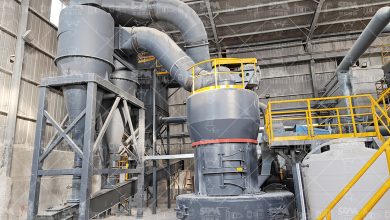
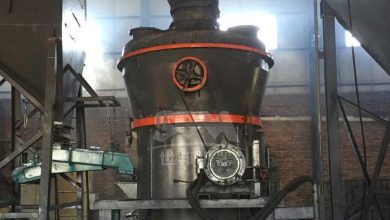
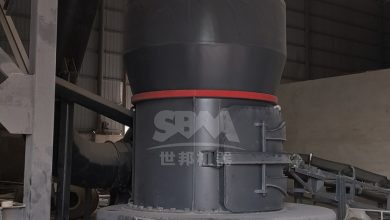
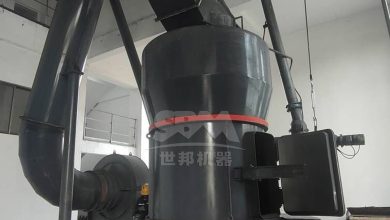
For applications requiring the finest particle sizes and highest product quality, the SCM Series Ultrafine Mill represents the optimal solution. This advanced grinding system is specifically engineered for processing challenging materials like lead smelting slag into superfine powders with exceptional quality control.
The SCM Ultrafine Mill operates with input sizes up to 20mm and produces output fineness ranging from 325 to 2500 mesh (D97≤5μm), with processing capacities from 0.5 to 25 tons per hour depending on the specific model. This equipment is particularly suitable for high-value applications where precise particle size distribution is critical.
Key advantages of the SCM Series include:
- High Efficiency and Energy Savings: The mill delivers twice the capacity of jet mills while reducing energy consumption by 30%. Its intelligent control system automatically monitors and adjusts product fineness.
- Precision Classification: The vertical turbine classifier ensures accurate particle size cuts with no coarse powder contamination, guaranteeing uniform product quality.
- Durable Construction: Specially designed roller and grinding ring materials extend service life significantly, while the bearing-free screw grinding chamber ensures stable operation.
- Environmental Compliance: Pulse dust collection efficiency exceeds international standards, and soundproof chamber design maintains noise levels below 75dB.
The working principle involves a main motor driving three-layer grinding rings in rotation. Material is dispersed into the grinding path by centrifugal force, undergoes roller compression crushing, and is progressively ground through multiple layers. Final powder collection is accomplished through cyclone collectors and pulse dust removal systems.
MTW Series Trapezium Mill for Medium to High Capacity Applications
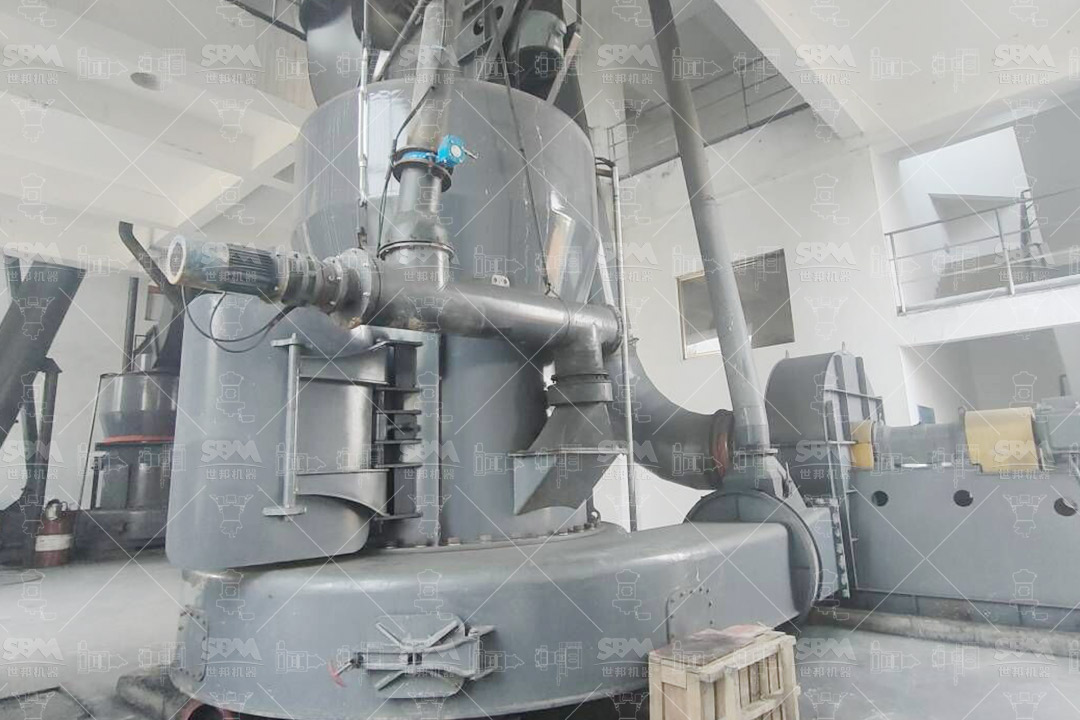
For operations requiring higher throughput with slightly coarser product requirements, the MTW Series Trapezium Mill offers an excellent balance of capacity, efficiency, and operational economy. This European-style grinding mill handles input materials up to 50mm and produces output fineness from 30 to 325 mesh (down to 0.038mm), with processing capacities ranging from 3 to 45 tons per hour.
Key technological advantages of the MTW Series include:
- Anti-wear Shovel Design: Combined shovel blades reduce maintenance costs while curved design extends roller service life.
- Optimized Air Duct: Curved air duct design minimizes airflow energy loss and improves transmission efficiency, with high-strength guard plates protecting the duct working surface.
- Integrated Bevel Gear Transmission: Achieves 98% transmission efficiency while saving space and reducing installation costs.
- Wear-resistant Volute Structure: Non-clogging design improves air classification efficiency and reduces maintenance costs by 30%.
The operational principle involves the main motor driving grinding rollers to revolve around the central axis while rotating themselves to generate centrifugal force. Shovels throw material between the grinding ring and rollers to form a material layer, achieving efficient crushing through compression. The classification system precisely controls final product fineness.
Equipment Selection Guidelines
Matching Equipment to Application Requirements
Selecting the appropriate grinding equipment depends on multiple factors including required product fineness, production capacity, investment budget, and operational considerations. For lead smelting slag applications:
- Choose SCM Series Ultrafine Mill for applications requiring ultra-fine powders (325-2500 mesh) with strict quality control requirements
- Select MTW Series Trapezium Mill for medium-fine applications (30-325 mesh) where higher throughput and operational economy are priorities
- Consider LM Series Vertical Roller Mills for very high capacity requirements (up to 250 tons/hour) with medium fineness specifications
Economic Considerations
The economic viability of lead smelting slag processing depends significantly on equipment selection. Key factors include:
- Initial investment costs
- Operational energy consumption
- Maintenance requirements and spare parts costs
- Equipment lifespan and resale value
- Product quality and market value
Environmental and Safety Considerations
Dust Control and Emission Management
Processing lead-containing materials requires stringent environmental controls. Modern grinding equipment incorporates advanced dust collection systems that capture and contain fine particles, preventing environmental contamination. Both the SCM and MTW series feature pulse jet dust collectors that exceed international emission standards.
Worker Safety Protocols
Proper handling of lead smelting slag requires comprehensive safety measures including:
- Enclosed processing systems to minimize dust exposure
- Automated material handling to reduce worker contact
- Regular environmental monitoring
- Personal protective equipment requirements
- Comprehensive worker training programs
Future Trends and Developments
Technological Advancements
The field of superfine powder processing continues to evolve with several promising developments:
- Integration of artificial intelligence for real-time process optimization
- Development of more wear-resistant materials for extended equipment life
- Advanced classification technologies for sharper particle size distributions
- Energy recovery systems to further reduce operational costs
Market Opportunities
Growing environmental regulations and resource scarcity are driving increased interest in industrial byproduct utilization. The market for processed lead smelting slag is expected to expand significantly, creating opportunities for equipment manufacturers and processors alike.
Conclusion
Lead smelting slag, once considered a problematic waste material, has emerged as a valuable resource with diverse applications across multiple industries. The transformation from waste to resource is enabled by advanced superfine powder processing equipment such as the SCM Series Ultrafine Mill and MTW Series Trapezium Mill. These technologies provide the precision, efficiency, and reliability needed to create high-value products from what was previously considered industrial waste.
As environmental considerations and resource efficiency become increasingly important, the proper processing and utilization of industrial byproducts like lead smelting slag will play a crucial role in sustainable industrial development. The continued advancement of grinding technologies will further enhance the economic and environmental benefits of these recycling initiatives.