What Equipment is Used to Grind Bauxite into Alumina Powder?
Introduction to Bauxite Grinding for Alumina Production
The transformation of bauxite ore into alumina powder represents a critical stage in aluminum production. Bauxite, the primary aluminum ore, must undergo precise size reduction to facilitate the Bayer process, where alumina (Al2O3) is extracted through chemical digestion. The grinding phase significantly impacts process efficiency, energy consumption, and final product quality. This comprehensive guide examines the specialized equipment required for optimal bauxite comminution, with particular focus on advanced grinding technologies that maximize productivity while minimizing operational costs.
Bauxite Characteristics and Grinding Challenges
Bauxite ore presents unique grinding challenges due to its variable composition, abrasiveness, and moisture content. Typically containing 40-60% alumina along with silica, iron oxides, and titanium dioxide, bauxite’s heterogeneous nature demands robust grinding solutions. The material’s Mohs hardness ranges from 1 to 3, but its silica content can significantly increase abrasiveness. Furthermore, moisture levels between 10-20% in raw bauxite can cause handling issues and require specialized drying-integrated systems. Optimal grinding must achieve specific particle size distributions that maximize surface area for efficient caustic digestion while minimizing energy-intensive overgrinding.
Primary Crushing: The First Size Reduction Stage
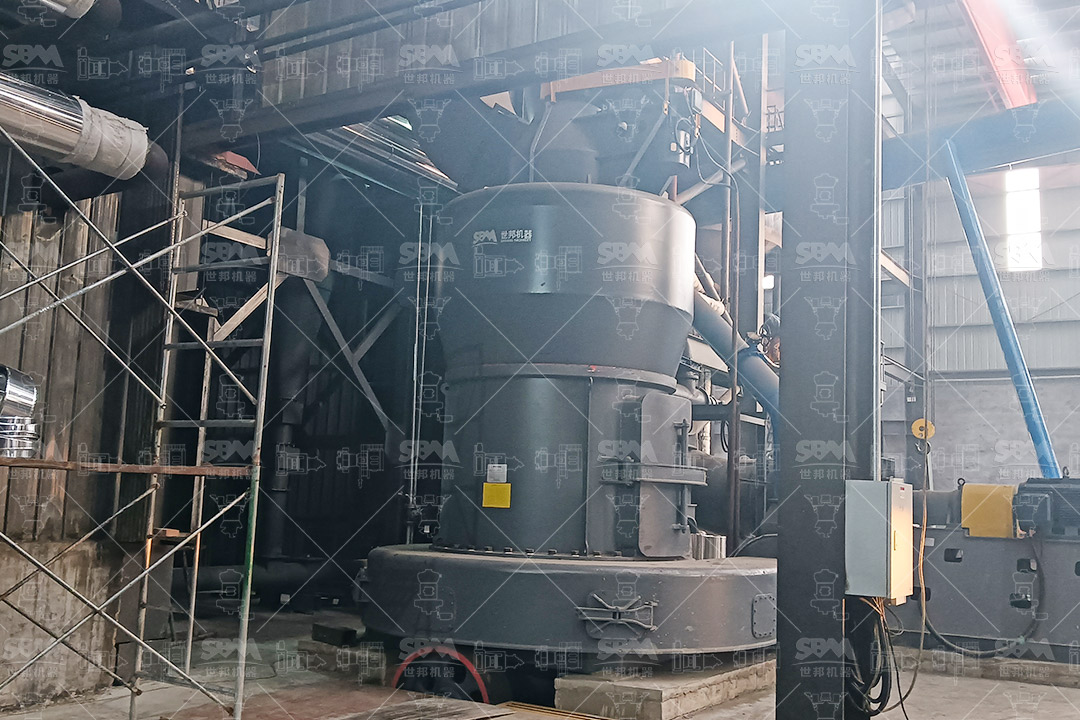
Before fine grinding, bauxite undergoes primary crushing to reduce run-of-mine material to manageable sizes. Jaw crushers and gyratory crushers typically handle the initial size reduction, processing bauxite from mine-sized fragments (up to 1.5 meters) down to 200-250mm. Secondary crushing further reduces material to 20-50mm using cone crushers or impact crushers. For operations requiring direct fine crushing, hammer mills like the PC4012-90 model offer excellent performance, processing 15-40 tons per hour with output sizes of 0-3mm. These robust machines feature high manganese steel hammer heads and optimized cavity designs that withstand bauxite’s abrasive characteristics while maintaining consistent output.
Fine Grinding Equipment for Bauxite Processing
Ball Mills: Traditional Workhorses
Ball mills have long served as the conventional choice for bauxite grinding, utilizing steel balls as grinding media to reduce material through impact and attrition. These rotating cylindrical mills can operate in both wet and dry configurations, with wet grinding often preferred for bauxite due to dust suppression and improved material handling. Models like the GMQG2445 offer capacities of 55-10.5 tons per hour, producing powders in the 0.074-0.8mm range. While ball mills provide reliable operation and simple maintenance, their relatively high energy consumption (typically 15-30 kWh/t) and limited ability to produce ultra-fine powders has driven development of more efficient alternatives.
Vertical Roller Mills: Modern Efficiency
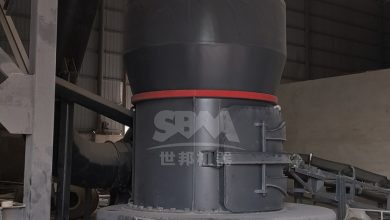
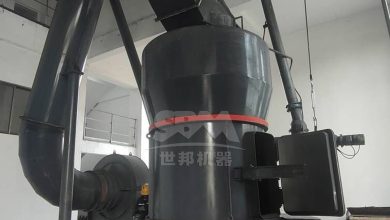
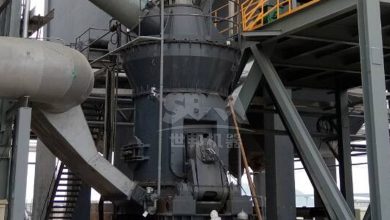
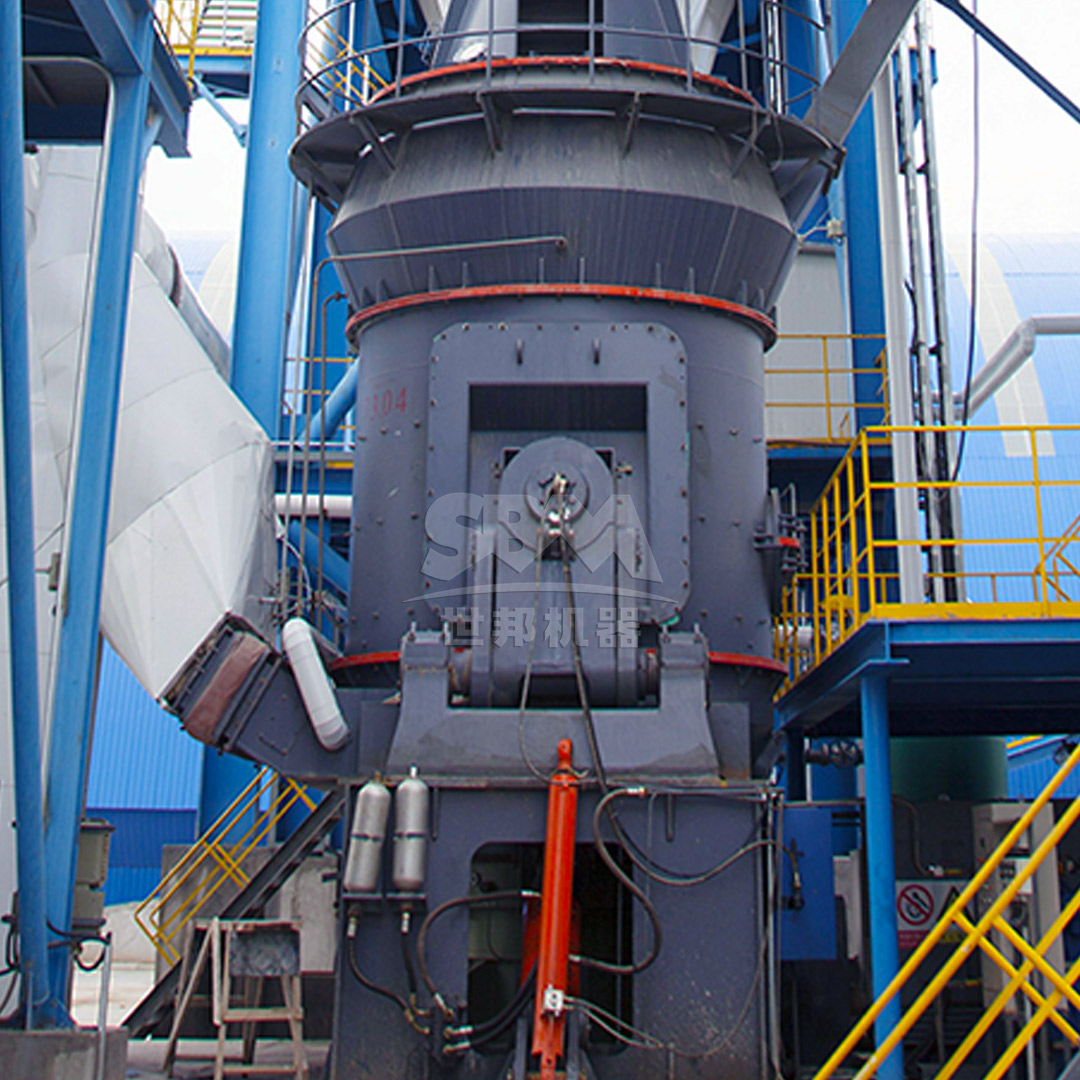
Vertical roller mills (VRMs) represent a significant advancement in bauxite grinding technology, combining crushing, grinding, drying, and classification in a single unit. The LM Series Vertical Roller Mill stands out for bauxite applications, featuring a compact design that reduces footprint by up to 50% compared to ball mill systems. With capacities ranging from 3-250 tons per hour and fineness adjustable between 30-325 mesh, these mills achieve 30-40% lower energy consumption than traditional ball mills. The unique non-contact grinding principle, where rollers hydraulically press against a rotating grinding table, minimizes wear part consumption and extends maintenance intervals. Integrated dynamic classifiers ensure precise particle size control, while the ability to utilize waste heat for simultaneous drying makes VRMs particularly suitable for moist bauxite.
Ultrafine Grinding Solutions
For applications requiring exceptionally fine alumina powders, specialized ultrafine grinding equipment delivers superior performance. The SCM Ultrafine Mill represents the pinnacle of fine grinding technology, capable of producing bauxite powders with fineness between 325-2500 mesh (D97≤5μm). This advanced mill incorporates a vertical turbine classification system that ensures precise particle size distribution without coarse particle contamination. With capacity ranging from 0.5-25 tons per hour across different models, the SCM series achieves remarkable energy efficiency, consuming 30% less power than conventional jet mills while delivering twice the output. The patented grinding chamber design, featuring special material rollers and grinding rings, provides exceptional wear resistance and operational stability. For bauxite operations targeting high-value alumina products with stringent fineness specifications, the SCM Ultrafine Mill offers unparalleled performance and reliability.
Specialized Grinding Systems for Bauxite
Trapezium Mills: Balanced Performance
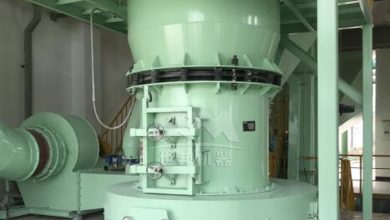
The MTW Series Trapezium Mill delivers exceptional performance for medium-to-fine bauxite grinding applications, producing powders between 30-325 mesh. This advanced mill incorporates multiple patented technologies including curved air duct design that reduces airflow resistance and improves transmission efficiency. The innovative bevel gear overall transmission achieves 98% efficiency while saving installation space and costs. For bauxite processing, the MTW series offers capacities from 3-45 tons per hour, with models like the MTW215G handling up to 45 tons hourly. The combination of wear-resistant shovel blades, specially designed grinding roller and ring profiles, and efficient powder separation makes this mill ideal for continuous bauxite processing operations requiring consistent quality and high throughput.
Integrated Grinding and Classification Systems
Modern bauxite grinding installations increasingly favor integrated systems that combine grinding with precise air classification. These systems ensure optimal particle size distribution for the Bayer process, where specific surface area directly impacts digestion efficiency. Advanced classifiers, whether integrated within vertical mills or as standalone units, enable real-time adjustment of product fineness to accommodate variations in bauxite composition. The LUM Ultra-fine Vertical Mill exemplifies this integrated approach, featuring multi-rotor classification technology that eliminates coarse particles from the final product. With PLC-based automation ensuring stable operation and product consistency, these systems represent the current state-of-the-art in bauxite preparation.
Selecting the Optimal Grinding Solution
Choosing appropriate bauxite grinding equipment requires careful consideration of multiple factors:
- Production Capacity: Match equipment throughput to plant requirements, from small-scale operations (2-5 t/h) to large facilities (100+ t/h)
- Product Fineness: Select technology based on required particle size distribution, from coarse grinding (80-200μm) to ultrafine applications (5-45μm)
- Moisture Content: Consider integrated drying capabilities for high-moisture bauxite
- Energy Efficiency: Evaluate total power consumption, including ancillary equipment
- Wear Resistance: Assess material compatibility with bauxite’s abrasive components
- Space Constraints: Consider footprint differences between technologies
- Capital and Operating Costs: Balance initial investment against long-term operational expenses

Conclusion: Optimizing Bauxite Grinding for Maximum Efficiency
The selection of appropriate grinding equipment fundamentally impacts the economics and efficiency of alumina production. While traditional ball mills continue to serve in some operations, advanced technologies like vertical roller mills and specialized ultrafine grinding systems offer significant advantages in energy efficiency, product quality, and operational flexibility. The SCM Ultrafine Mill and MTW Series Trapezium Mill represent particularly compelling solutions for modern bauxite processing, combining high throughput with precise particle size control and reduced operating costs. As alumina producers face increasing pressure to improve sustainability and reduce energy consumption, investing in advanced grinding technology delivers both environmental and economic benefits, establishing a foundation for competitive aluminum production in an energy-conscious market.