What Machine Can Grind Stone Into Powder? A Stone Powder Mill is the Answer
Introduction to Stone Grinding Technology
The transformation of raw stone materials into fine powder represents one of the most fundamental processes in modern industrial applications. From construction materials to chemical additives, mineral fillers to advanced composites, stone powders serve as essential components across numerous industries. The machinery capable of performing this transformation efficiently and precisely represents the culmination of decades of engineering innovation in comminution technology.
Stone powder mills have evolved significantly from traditional crushing methods to sophisticated grinding systems that can produce powders with precisely controlled particle size distributions. The selection of appropriate grinding equipment depends on multiple factors including the hardness of the raw material, required output fineness, production capacity needs, energy efficiency considerations, and environmental compliance requirements.
Types of Stone Grinding Mills
Ultra-Fine Grinding Mills
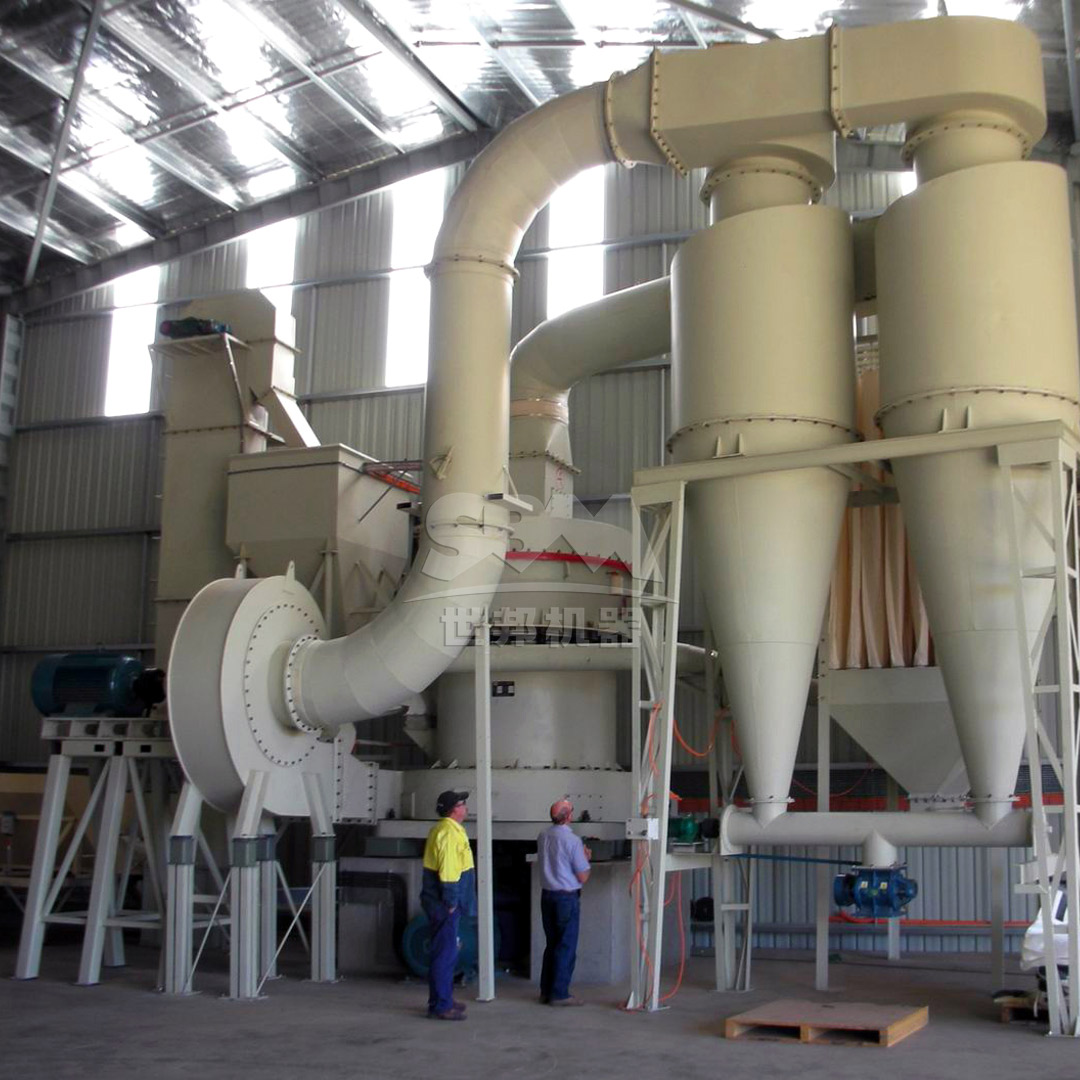
For applications requiring extremely fine powder with particle sizes measured in micrometers, ultra-fine grinding mills represent the pinnacle of precision grinding technology. These systems employ advanced classification mechanisms to ensure consistent particle size distribution and eliminate contamination from oversized particles.
Our SCM Ultrafine Mill stands as a prime example of this technology category. With an output fineness range of 325-2500 mesh (D97≤5μm) and processing capacity from 0.5 to 25 tons per hour depending on model specifications, this mill delivers exceptional performance for high-value powder production. The technological advantages include energy efficiency with 30% lower consumption compared to conventional systems, high-precision classification through vertical turbine classifiers, durable construction with specially designed grinding components, and environmental compliance with noise levels below 75dB.
Medium-Speed Grinding Mills
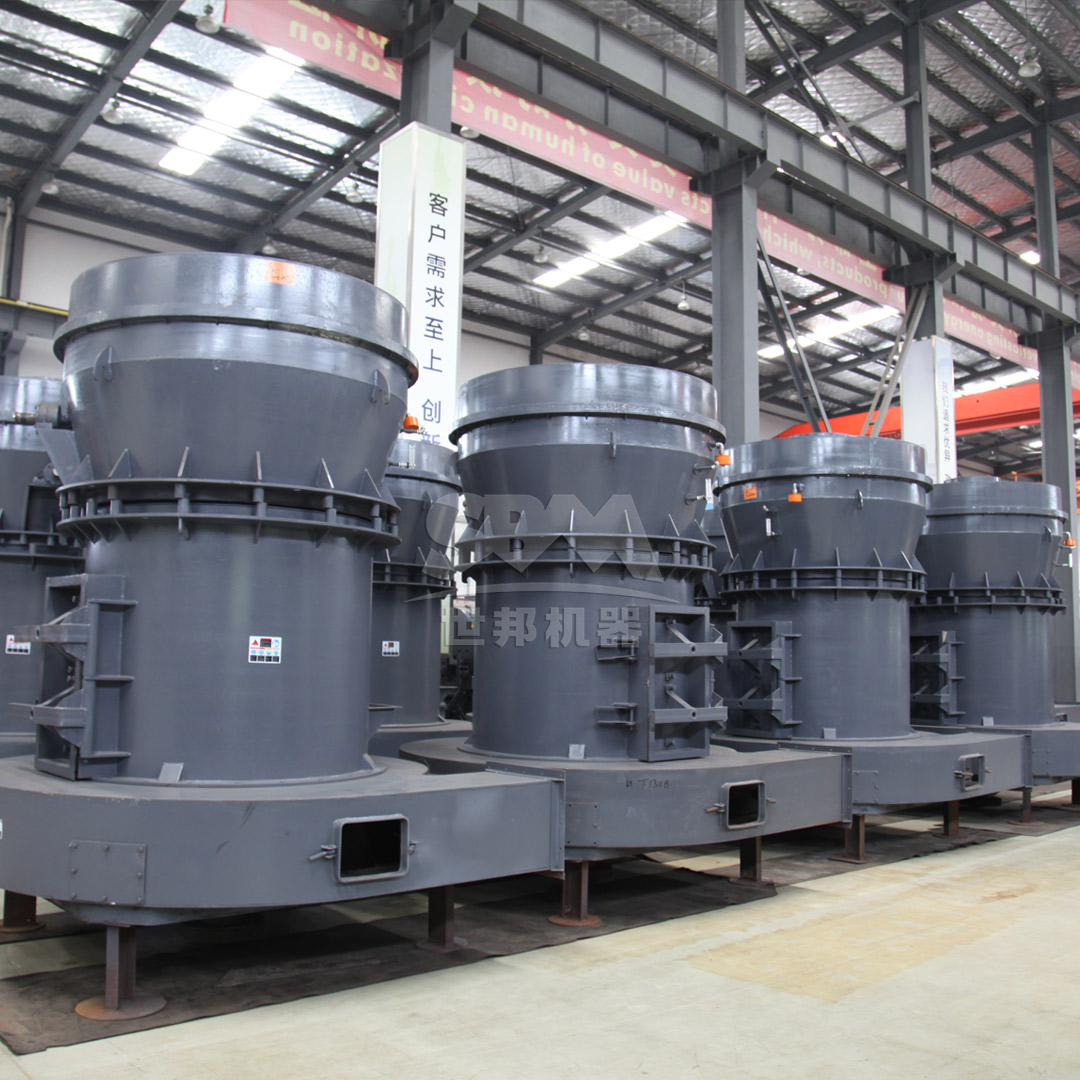
Balancing production capacity with powder quality, medium-speed grinding mills offer versatile solutions for a wide range of industrial applications. These systems typically employ trapezium grinding mechanisms that provide stable operation and consistent output quality.
The MTW Series Trapezium Mill exemplifies this category with its advanced design features including wear-resistant shovel design, optimized curved air channel, integrated bevel gear transmission, and durable volute structure. With input size up to 50mm and output fineness ranging from 30-325 mesh, this mill series provides processing capacities from 3 to 45 tons per hour across different models. The combination of these features results in reduced maintenance costs, improved transmission efficiency up to 98%, and enhanced air classification performance.
Technical Considerations in Stone Powder Production
Material Characteristics and Mill Selection
The successful grinding of stone into powder requires careful consideration of the raw material properties. Hardness, abrasiveness, moisture content, and chemical composition all influence the selection of appropriate grinding equipment. For hard materials like granite or basalt, mills with enhanced wear resistance and higher power capacity are necessary, while softer materials like limestone can be processed with standard configurations.
Particle size distribution requirements represent another critical factor. Applications requiring narrow particle size distributions benefit from mills with advanced classification systems, while broader distributions can be achieved with simpler mechanical separation methods. The target application ultimately determines the optimal powder characteristics, whether for construction materials requiring specific surface area properties or industrial applications demanding precise chemical reactivity.
Energy Efficiency and Operational Costs
Modern stone powder mills incorporate numerous features aimed at reducing operational costs while maintaining production quality. Energy consumption represents the most significant operational expense in powder production, making efficiency improvements a primary focus of technological development.
Advanced mills utilize optimized grinding chamber designs, efficient drive systems, and intelligent control systems that adjust operational parameters in real-time based on material characteristics and production requirements. These systems can reduce energy consumption by 30-50% compared to conventional ball mills while maintaining or improving output quality. The economic benefits extend beyond direct energy savings to include reduced maintenance requirements, longer component lifespan, and lower labor costs through automation.
Advanced Grinding Technologies
Vertical Roller Mills
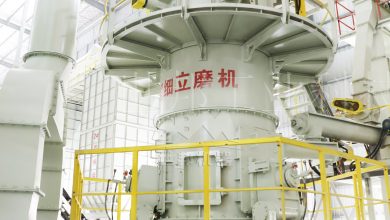
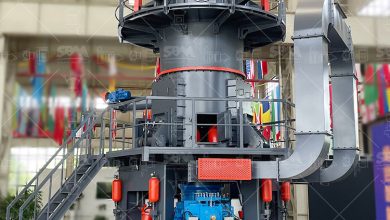
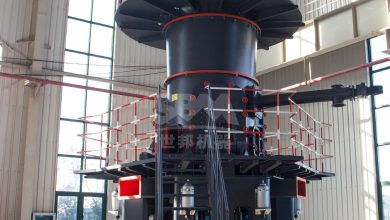
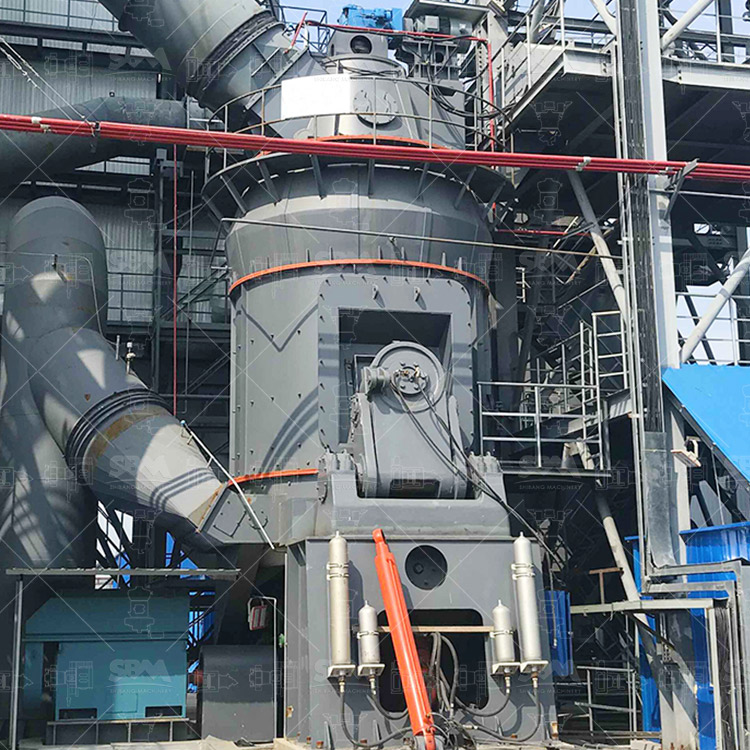
Vertical roller mills represent a significant advancement in grinding technology, integrating multiple functions including crushing, grinding, and classification within a single compact unit. This integrated approach reduces footprint requirements by up to 50% compared to traditional grinding circuits while improving overall system efficiency.
The LM Series Vertical Roller Mill demonstrates the capabilities of this technology with its comprehensive range of models tailored for different applications. From mineral grinding with capacities up to 105 t/h to specialized configurations for coal, slag, and fine powder production, this series offers solutions for virtually any grinding requirement. Key advantages include the non-contact design between grinding rollers and table that extends wear part lifespan, intelligent control systems enabling remote operation and monitoring, and environmental compliance with dust emissions below 20mg/m³.
Specialized Grinding Solutions
Beyond standard grinding applications, specialized mills address unique requirements in specific industries. Pre-grinding systems optimize the size reduction process for downstream operations, while pendulum mills offer reliable performance for medium-fineness applications. Each specialized solution incorporates design features tailored to the specific challenges of the target application.
The selection between these technologies depends on comprehensive analysis of production requirements, material characteristics, and economic considerations. Modern grinding systems often incorporate modular designs that allow customization to match specific operational needs while maintaining the benefits of standardized components for maintenance and spare parts management.
Environmental and Safety Considerations
Contemporary stone powder production must address increasingly stringent environmental regulations and workplace safety requirements. Modern grinding mills incorporate multiple features to ensure compliance with these standards while maintaining operational efficiency.
Dust control represents a primary environmental concern in powder production. Advanced pulse-jet dust collection systems achieve filtration efficiencies exceeding international standards, capturing fine particles that would otherwise escape into the atmosphere. Fully enclosed negative-pressure operation prevents dust leakage during normal operation, while automated monitoring systems ensure consistent performance across varying production conditions.
Noise reduction technologies represent another critical area of development. Through optimized mechanical design, vibration damping systems, and acoustic insulation, modern mills operate at noise levels below 80dB, creating safer working environments and reducing community impact when installed in populated areas.
Future Trends in Stone Grinding Technology
The evolution of stone powder mills continues with emerging trends focusing on digitalization, sustainability, and flexibility. Integration with Industry 4.0 technologies enables predictive maintenance, real-time optimization, and remote operation capabilities that reduce downtime and improve resource utilization.
Sustainability initiatives drive development of even more energy-efficient systems, with research focusing on alternative grinding mechanisms, improved classification efficiency, and waste heat recovery. The integration of renewable energy sources and energy storage systems further enhances the environmental profile of powder production facilities.
Flexibility represents another key trend, with modular system designs that can be easily reconfigured for different materials or production requirements. This adaptability allows operators to respond quickly to changing market conditions and material availability, maximizing the return on investment in grinding equipment.
Conclusion
The transformation of stone into powder represents a critical process with far-reaching implications across numerous industries. Modern stone powder mills combine advanced engineering, intelligent control systems, and environmental responsibility to deliver efficient, reliable, and sustainable powder production solutions.
From ultra-fine grinding applications requiring precise particle size control to high-capacity production of construction materials, the available technology spectrum offers optimized solutions for virtually any requirement. The continued evolution of grinding technology promises even greater efficiency, flexibility, and environmental performance in the years ahead, supporting the growing demand for high-quality stone powders in an increasingly diverse range of applications.